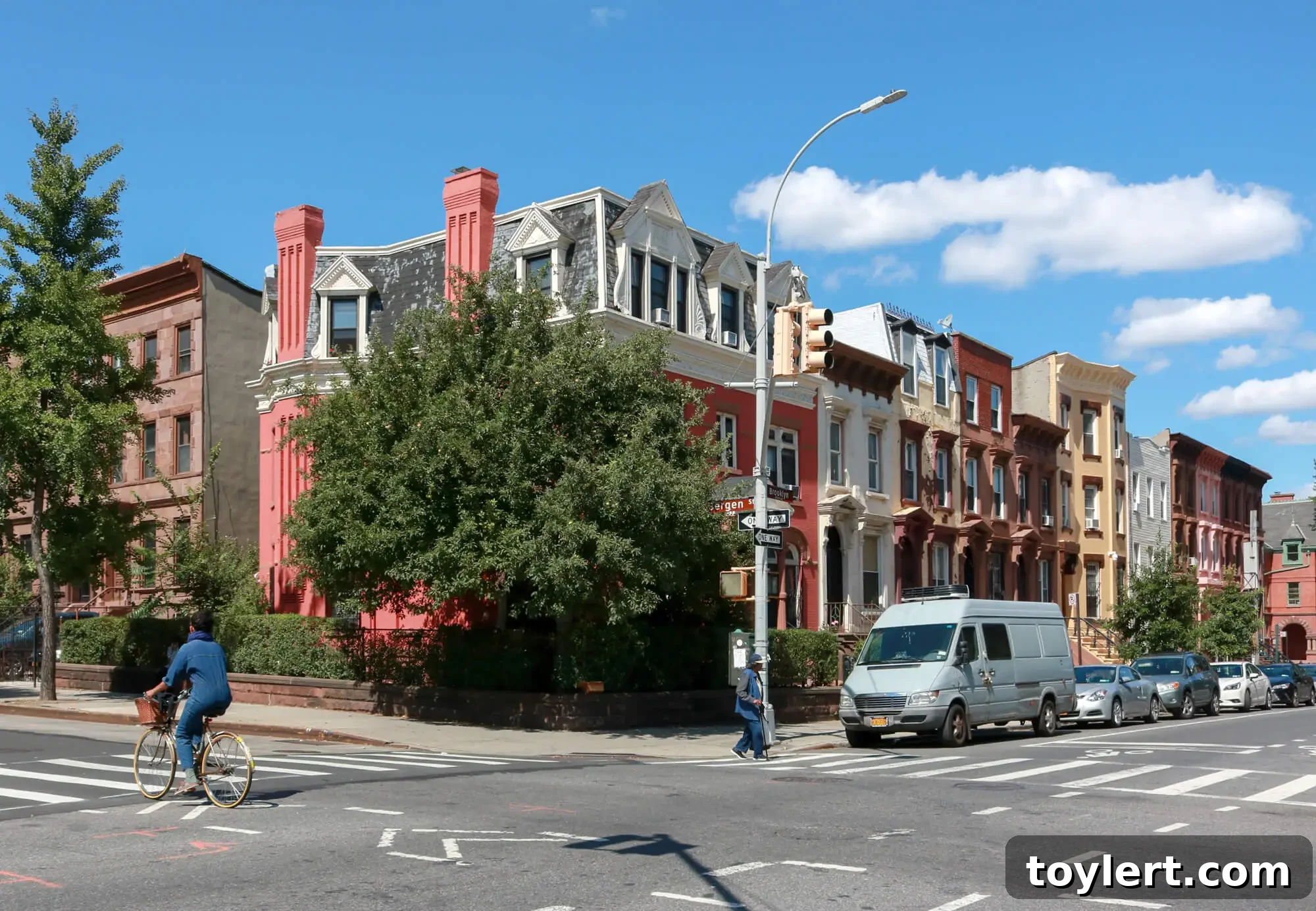
Navigating the Corner Lot Dilemma: A Comprehensive Guide for Homebuyers
For many aspiring homeowners, the allure of a corner lot property presents a unique blend of advantages and potential drawbacks. While often celebrated for their prominent position and enhanced curb appeal, these distinctive parcels also raise questions, particularly regarding their long-term resale potential. If you’re contemplating purchasing a house on a corner lot, it’s wise to equip yourself with a thorough understanding of the factors at play. This guide aims to provide a comprehensive overview, helping you make an informed decision that aligns with your lifestyle and investment goals, especially addressing concerns about future resale.
What Defines a Corner Lot?
A corner lot is a parcel of land situated at the intersection of two streets. This geographical positioning means the property has at least two sides bordering public roads, as opposed to a typical interior lot with only one street frontage. This seemingly simple difference gives rise to a host of unique characteristics that distinguish corner lots in the real estate market.
The Undeniable Advantages of Corner Lots
Many homebuyers are drawn to corner lots for their distinct benefits. Understanding these perks is the first step in appreciating their appeal:
1. Enhanced Curb Appeal and Prominence
Corner lots naturally stand out. Their dual street frontage allows for a more expansive and visible facade, often lending itself to impressive landscaping and architectural statements. This prominence can contribute significantly to the home’s overall curb appeal, making a strong first impression on visitors and potential buyers alike.
2. Abundant Natural Light
With fewer immediate neighbors on one side and two open street frontages, homes on corner lots typically benefit from increased exposure to natural light. This can result in brighter, more inviting interior spaces, reducing the need for artificial lighting and potentially lowering energy costs.
3. Greater Sense of Space and Privacy (on one side)
While often perceived to have less privacy overall (which we’ll address), a corner lot fundamentally has one less direct neighbor than an interior lot. This can translate to a greater sense of openness and potentially more usable yard space on the non-street-facing sides, depending on the lot’s configuration and local setback regulations.
4. Flexible Access and Parking Options
Having two street frontages can offer more flexibility for driveway placement and off-street parking. This might mean easier ingress and egress, or even the potential for a secondary access point, which can be particularly convenient for multi-car households or those with specific vehicle needs.
5. Potential for Unique Landscaping and Design
The layout of a corner lot often inspires creative landscaping and architectural designs. Homeowners have the opportunity to create distinct zones, showcase different garden styles, or even incorporate unique features that take advantage of the dual frontage, elevating the property’s aesthetic appeal.
Addressing the Downsides: Key Considerations for Corner Lots
Despite their appeal, corner lots also come with a set of challenges that warrant careful consideration, especially if resale is a primary concern:
1. Increased Traffic and Noise Exposure
One of the most frequently cited drawbacks of corner lots is their proximity to two streets, which often translates to higher traffic volume and associated noise. This can impact the tranquility of the home, both indoors and outdoors, and might be a significant deterrent for buyers sensitive to noise pollution.
2. Reduced Privacy Concerns
With two sides exposed to public view, corner lots inherently offer less privacy than interior lots. Passersby, pedestrians, and vehicles have a clearer view into the yard and potentially into the home. This requires more strategic landscaping or fencing solutions to create secluded outdoor living areas.
3. Higher Maintenance Requirements
More street frontage typically means more sidewalk to maintain. Homeowners on corner lots are often responsible for maintaining two stretches of sidewalk, which includes regular cleaning, landscaping adjacent to the public right-of-way, and, crucially, snow removal in colder climates. This can be a considerable time and labor commitment.
4. Potential for Higher Property Taxes and Insurance
In some municipalities, corner lots, especially if they are larger or perceived as more desirable due to their prominence, may be assessed at a higher value, leading to increased property taxes. Additionally, due to increased exposure to traffic or potential liability from pedestrians, some insurance providers might view corner properties as having slightly elevated risks, potentially impacting premiums.
5. Impact of Streetlights and Headlights
Being at an intersection often means increased exposure to streetlights at night, which can spill into the home. Similarly, vehicle headlights turning the corner can sweep across windows, potentially disturbing sleep or evening relaxation. Effective window treatments become essential in such cases.
6. Safety Concerns for Children and Pets
With two street-facing boundaries, parents of young children and pet owners often express heightened safety concerns. The proximity to traffic and the extended perimeter requiring secure fencing can be a significant consideration, especially for families prioritizing safe outdoor play areas.
7. Stricter Zoning and HOA Regulations
Due to their unique position, corner lots may be subject to stricter zoning ordinances regarding setbacks, fencing heights, and landscaping. Homeowners associations (HOAs) may also impose more stringent rules on corner properties to maintain community aesthetics, which could limit your design choices or add to maintenance responsibility.
Navigating Resale Potential: What Homebuyers Should Consider
The core of the homebuyer’s dilemma often revolves around resale. While the “pros and cons” list provides a general overview, specific considerations can either amplify or mitigate resale concerns for a corner lot:
1. Analyze Local Market Perception
The desirability of corner lots can vary significantly by location. In some areas, their prominence and extra space are highly prized. In others, the noise and lack of privacy are deal-breakers. Speak with local real estate agents to gauge the general sentiment towards corner lots in your specific neighborhood. What features do local buyers value most?
2. Evaluate Traffic Volume and Speed
Not all corner lots are created equal. Is the property on the intersection of two quiet, residential streets, or two bustling thoroughfares? High traffic volume, excessive noise, and fast-moving vehicles will undeniably diminish appeal for many buyers. Observe the traffic patterns at different times of day and night.
3. Assess Lot Size and Usability
While corner lots often boast larger overall land area, the usability of that space is crucial. Are there significant setbacks that eat into the yard? Is the shape of the lot awkward, making landscaping or outdoor living challenging? A large, but poorly configured, yard might not add significant value.
4. Privacy Solutions Already in Place (or Possible)
A corner lot that has effectively addressed privacy concerns through mature landscaping, strategic fencing, or clever architectural design will be far more attractive to future buyers. Evaluate what’s already there and what potential exists to enhance privacy without breaking the bank or violating local regulations.
5. Quality of Construction and Soundproofing
For homes on busy corner lots, the quality of construction, particularly window and wall insulation, plays a huge role in mitigating interior noise. Newer homes often have better soundproofing, which can be a significant selling point. For older homes, consider the cost and feasibility of upgrades.
6. Landscaping and Property Condition
The prominence of a corner lot means the property is always “on display.” Meticulous landscaping and overall property condition become even more critical. A well-maintained corner lot can truly shine, while a neglected one will quickly detract from value.
7. The “Right Buyer” Factor
Recognize that corner lots often appeal to a specific segment of buyers. Some may value the increased visibility for a home-based business (if zoning allows), or simply appreciate the architectural prominence. Others may be unbothered by traffic if the location is otherwise ideal. Your job when reselling will be to highlight these specific benefits.
Maximizing Your Corner Lot’s Resale Potential
If you decide to purchase a corner lot, there are proactive steps you can take to enhance its appeal and mitigate future resale challenges:
- Invest in Strategic Landscaping: Plant mature trees and shrubs along street-facing boundaries to create natural sound barriers and privacy screens. Consider evergreen options for year-round effectiveness.
- Install High-Quality Fencing: A well-designed fence can significantly improve privacy and security. Ensure it complies with local regulations and HOA rules.
- Prioritize Exterior Maintenance: Keep your lawn meticulously manicured, sidewalks clean, and home exterior well-maintained. Remember, your home is seen from two angles.
- Create Secluded Outdoor Spaces: Designate specific areas within your yard for private relaxation, perhaps with pergolas, trellises, or strategic planting that offers a sense of enclosure.
- Enhance Curb Appeal Continuously: Utilize the dual frontage to your advantage. Seasonal plantings, attractive pathways, and exterior lighting can make your home truly stand out in a positive way.
- Consider Soundproofing Upgrades: If noise is an issue, consider upgrading windows to double or triple-pane glass, or adding insulation to walls. This can be a significant investment but a major selling point for sensitive buyers.
Conclusion: Is a Corner Lot Right for You?
The decision to buy a home on a corner lot is a highly personal one. While the concerns about resale potential are valid and warrant careful consideration, they are not insurmountable. Many of the perceived drawbacks can be effectively mitigated with thoughtful planning, strategic investments, and diligent maintenance.
Before making a commitment, thoroughly research the specific property and its immediate surroundings. Spend time at the location during different hours to assess noise levels and traffic. Understand local ordinances and potential HOA restrictions. By weighing the unique advantages against the potential challenges, and considering how you can proactively address any concerns, you can make an informed decision that will lead to a happy homeownership experience and a successful resale should the need arise. A corner lot can be a fantastic place to call home for the right buyer who appreciates its distinct character and is prepared for its unique demands.