Brooklyn’s Summer Challenge: Navigating Beach Restrictions Amidst Lifeguard Shortage
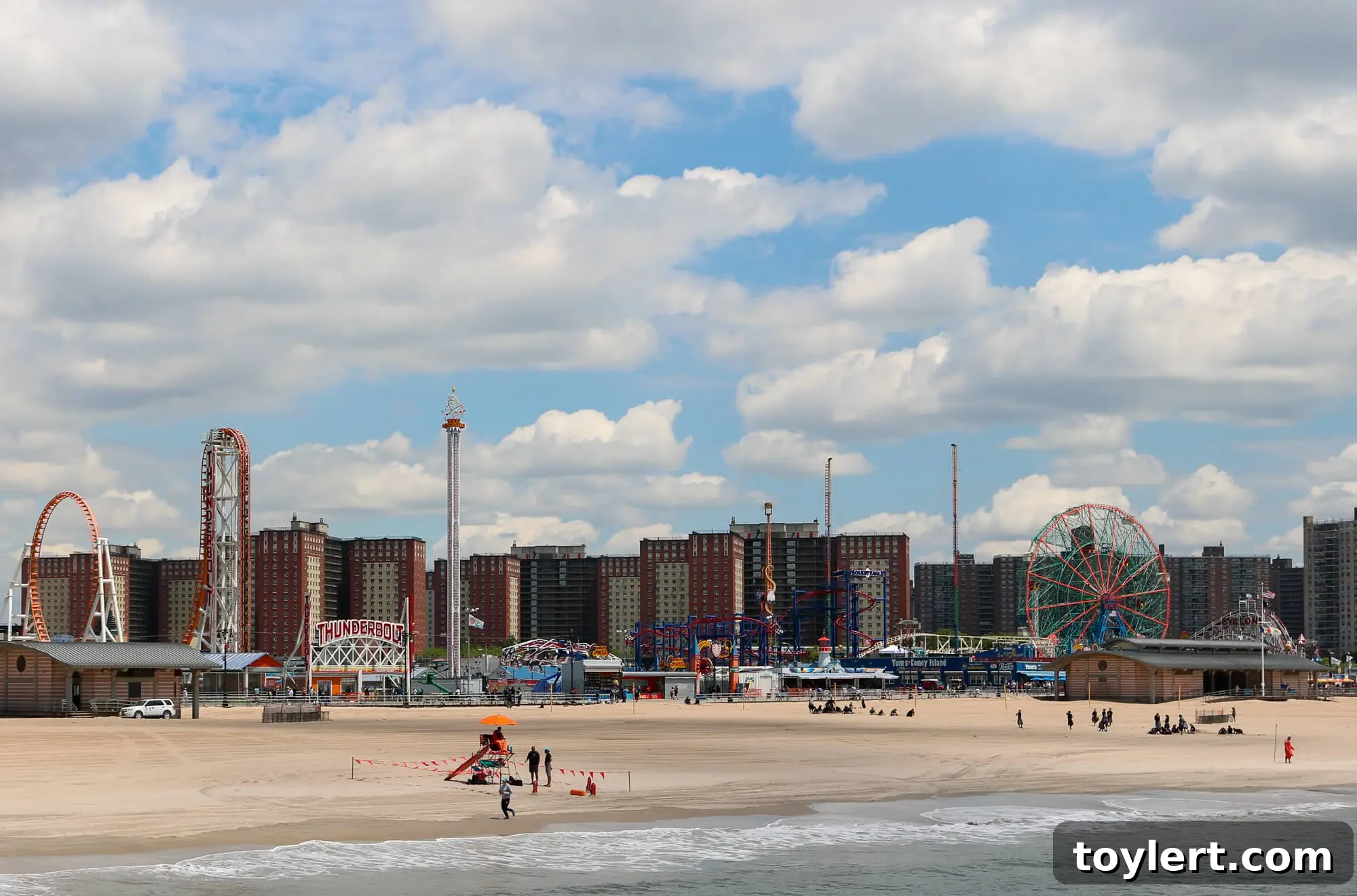
As the warmth of summer embraces New York City, residents eagerly anticipate cooling off at its iconic beaches. However, for Brooklyn beachgoers, this summer brings an important caveat: significant swimming restrictions due to an ongoing and severe lifeguard shortage. While beaches officially opened for Memorial Day weekend with their standard operating hours, locals are advised to expect a more limited aquatic experience than in previous years, directly impacting popular spots like Coney Island, Brighton Beach, and Manhattan Beach.
The NYC Parks Department confirmed that while beach facilities will maintain their normal operating hours from 10 a.m. to 6 p.m., the availability of designated swimming sections will fluctuate daily. These decisions will be based directly on the number of available lifeguards reporting for duty each day. Sections closed to swimming will be clearly marked with prominent signs and red flags, serving as a crucial warning for visitors about areas where supervision is not provided.
The Persistent Problem: A Deep Dive into Lifeguard Recruitment Challenges
The current lifeguard deficit is not an overnight development but a challenge that has been steadily escalating since the onset of the global pandemic. A spokesperson for the Parks Department highlighted a concerning trend: fewer experienced lifeguards returned to their posts after the unprecedented disruptions. Compounding this issue, the department has seen an even lower number of new recruits signing up and successfully completing the rigorous training required for the role, creating a critical staffing gap across the city’s extensive waterfronts.
Why the Shortage? Unpacking the Contributing Factors
Understanding the root causes of this widespread lifeguard shortage is crucial for developing effective long-term solutions. Several interconnected factors appear to be contributing to the decline in both returning and new lifeguards, making it harder to staff essential safety positions at Brooklyn’s popular swimming destinations:
- Post-Pandemic Career Shifts: The pandemic prompted many individuals to re-evaluate their career paths. Some seasoned lifeguards opted for more stable, year-round employment or roles with different working conditions, rather than returning to seasonal beach duty.
- Rigorous Requirements and Training: Becoming an NYC lifeguard is no easy feat. Candidates must pass demanding physical tests, including a strenuous 50-yard swim in 35 seconds or less and a 440-yard swim in under 7 minutes and 40 seconds, followed by extensive training and certification. The intensity and physical prowess required can deter potential applicants.
- Seasonal Employment Challenges: Lifeguarding is primarily a seasonal job, offering employment only during the warmer months. While attractive to students, it may not appeal to those seeking full-time, year-round work with comprehensive benefits, making retention difficult in the long run.
- Compensation and Benefits: While lifeguard pay has seen some adjustments in recent years, questions remain about whether the compensation is competitive enough to attract and retain talent in a demanding job market, especially when compared to other seasonal or entry-level positions available in a high-cost-of-living city like New York.
- Public Awareness and Perception: The vital role of a lifeguard is sometimes underestimated. Effective public outreach and campaigns are necessary to highlight the importance, heroism, and potential for growth within the profession, encouraging a new generation to consider it as a valuable summer commitment or even a career path.
Impact on Brooklyn’s Beloved Beaches and Beachgoers
The implications of this lifeguard scarcity are far-reaching, affecting not just the operations of the Parks Department but also the millions of residents and tourists who flock to Brooklyn’s vibrant waterfronts each summer, seeking relief from the urban heat.
Safety First: Increased Risks and Concerns
The primary concern arising from fewer lifeguards is public safety. Unsupervised swimming areas pose significant risks, including drowning. The Parks Department’s clear marking system with red flags and signs is an essential measure, but it relies heavily on public adherence. Ignoring these warnings could have tragic consequences, underscoring the critical need for vigilance and personal responsibility among beach visitors. This emphasis on individual safety becomes even more paramount when professional oversight is limited.
Limited Recreational Opportunities and Public Frustration
For families and individuals who look forward to swimming in the refreshing Atlantic Ocean, the prospect of frequently closed sections is undoubtedly disappointing. Beaches like Coney Island, Brighton Beach, and Manhattan Beach are vital community hubs, offering a democratic and accessible respite from the city heat. Restricted access to swimming areas can lead to frustration, diminish the overall enjoyment of a beach visit, and potentially impact the mental and physical well-being benefits associated with outdoor recreation and waterfront access.
Economic Ripple Effects for Local Businesses
Beyond direct beachgoers, the lifeguard shortage could indirectly affect local economies. Businesses surrounding Brooklyn’s beaches—restaurants, concession stands, souvenir shops, and amusement parks—rely heavily on the influx of visitors during the peak summer months. If beach experiences are significantly curtailed, fewer people might choose to spend their leisure time and money in these areas, creating a ripple effect on local vendors, seasonal job opportunities, and the vibrant economic ecosystem that thrives around these iconic destinations.
The Parks Department’s Efforts and Future Outlook for NYC Beaches
Recognizing the severity of the situation, the NYC Parks Department has been actively working to address the shortage, albeit with ongoing challenges. Their efforts are critical to ensuring the long-term safety and accessibility of all NYC beaches, including those in Brooklyn.
- Intensive Recruitment Campaigns: Launching targeted marketing campaigns across various platforms to attract a diverse pool of applicants, highlighting the importance of the role, the benefits of public service, and the competitive compensation packages.
- Streamlined Application Processes: Exploring ways to make the application and testing process more accessible and less daunting, without compromising the rigorous safety standards essential for protecting public swimmers. This includes offering multiple testing dates and locations.
- Increased Pay and Incentives: Adjusting salaries and considering additional incentives, such as bonuses or assistance with training costs, to make lifeguarding a more attractive and financially viable summer employment option, especially for returning staff.
- Community Outreach and Partnerships: Collaborating with local high schools, colleges, community organizations, and swimming clubs to promote lifeguarding as a valuable summer job, a pathway to civic engagement, and a potential career path within public service.
Despite these proactive initiatives, rebuilding the lifeguard corps to pre-pandemic levels is a gradual process that requires sustained effort and community support. The department continues to encourage anyone interested and qualified to apply, emphasizing that every new recruit contributes directly to enhancing public safety and expanding recreational access for millions of New Yorkers.
Navigating Your Beach Visit: Essential Tips for Brooklyn Beachgoers This Summer
Given the anticipated restrictions, planning your trip to a Brooklyn beach this summer requires a bit more foresight and adaptability. Here are some essential tips to ensure a safe and enjoyable experience for you and your family:
- Check Before You Go: Always consult the official NYC Parks Department website or their social media channels for daily updates on beach conditions and open swimming sections. Information can change rapidly based on staffing levels and weather.
- Heed All Warnings Diligently: Pay close attention to all posted signs, banners, and especially red flags. These markers are in place for your safety. Do not enter closed swimming areas, even if the water appears calm or inviting.
- Swim Only in Supervised Areas: If swimming is available, always do so strictly within the designated, roped-off areas and under the watchful eyes of the lifeguards. Respect their authority and follow any instructions they provide.
- Supervise Children Closely: Even in open swimming sections with lifeguards present, never take your eyes off children near or in the water. The presence of a lifeguard is an added layer of safety, not a substitute for active parental or guardian supervision.
- Consider Alternative Beach Activities: If swimming sections are closed, take advantage of other beach amenities and activities. Enjoy walking or biking the boardwalk, building sandcastles, playing beach games, or visiting nearby attractions like Luna Park at Coney Island.
- Stay Hydrated and Protected from the Sun: Regardless of swimming access, always wear high-SPF sunscreen, stay hydrated by drinking plenty of water, and seek shade during peak sun hours (typically 10 a.m. to 4 p.m.) to prevent heatstroke and sunburn.
- Practice Water Safety Awareness: Be aware of rip currents and other natural hazards. If you find yourself caught in a rip current, remain calm, don’t fight the current, and swim parallel to the shore until you are out of its pull, then swim to shore.
A Call for Community Support and Long-Term Solutions for NYC’s Waterfront
The lifeguard shortage affecting Brooklyn’s beaches is a complex issue requiring both immediate adaptive measures and robust long-term strategic planning. It underscores the critical role that public services play in the quality of urban life and the need for sustained investment in recruiting, training, and retaining essential personnel. As summer unfolds, the collaboration between the Parks Department, prospective lifeguards, and the community will be paramount in ensuring that Brooklyn’s cherished beaches remain safe and accessible for all.
The inherent beauty and allure of Brooklyn’s coastlines, from the vibrant energy of Coney Island to the serene stretches of Manhattan Beach, remain undeniable. By understanding the current challenges, adopting responsible beachgoing practices, and supporting initiatives to bolster the lifeguard corps, residents can still embrace the spirit of summer while contributing to efforts to restore full swimming access and enhance public safety in the years to come. This summer serves as a reminder of the invaluable resource our public beaches are and the collective responsibility we share in preserving them.