Essential Apartment Insurance for Freelancers: Protecting Your Home Office and Livelihood
Being a freelancer means embracing flexibility, autonomy, and the pursuit of passion. However, it also comes with a unique set of vulnerabilities. Unlike traditional employees, your workplace is often intertwined with your living space, making your home office the very engine of your income. If something happens to your laptop – the delicate package that embodies your entire operation – or your workspace itself, it can quickly escalate from an inconvenience to a catastrophic event. For someone navigating a dozen deadlines and living paycheck to paycheck, such an incident can halt your business, disrupt your cash flow, and jeopardize your financial stability.
Imagine the nightmare scenario: a pipe bursts in your walls, flooding your apartment and ruining your computer equipment. Or worse, a break-in leaves you without your essential tools. What if a small electrical fire two floors down necessitates firefighters breaking your windows to douse your bedroom? In any of these situations, with your laptop damaged, stolen, or destroyed, how would you continue your business? Relying on a 15-year-old desktop at the public library is hardly a sustainable solution for a modern professional. This is where apartment insurance becomes not just a recommendation, but an absolute necessity for every freelancer.
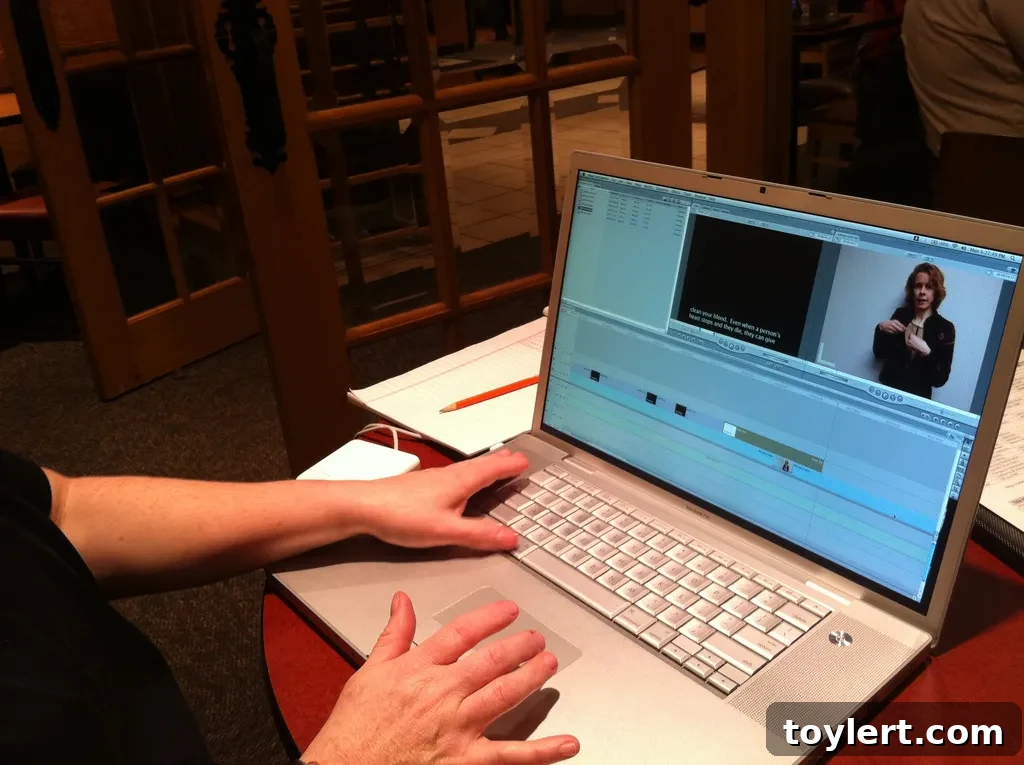 Keep your home office insured | daveynin via Flickr
The Unique Vulnerabilities of the Freelance Professional
Freelancers, remote workers, and self-employed individuals often operate from their residences, blurring the lines between personal and professional assets. This setup, while offering unparalleled freedom, also concentrates risk. Your home isn’t just where you relax; it’s your primary production facility, client communication hub, and creative sanctuary. Standard renters or homeowners insurance policies are primarily designed for personal property and general liability, often falling short when it comes to the specialized needs of a home-based business.
Your expensive photography gear, high-performance computer setup, specialized software licenses, external hard drives with client data, and even ergonomic office furniture are all vital business assets. Their loss isn’t just a personal inconvenience; it’s a direct blow to your earning potential. Without adequate insurance, replacing these items out-of-pocket can drain your savings, force you into debt, or, in the worst-case scenario, bring your freelance career to a grinding halt.
Common Threats to Your Freelance Livelihood and How Insurance Protects You
Let’s delve deeper into the types of unfortunate events that can derail a freelancer’s career and how robust apartment insurance offers a safety net:
1. Theft and Vandalism
- Scenario: A break-in occurs while you’re away, and your laptop, external monitors, tablet, and camera equipment are stolen.
- Insurance Solution: Apartment insurance with adequate personal property coverage will reimburse you for the depreciated value (Actual Cash Value) or replacement cost (Replacement Cost Value) of your stolen items, allowing you to quickly acquire new equipment and resume work.
2. Natural Disasters and Accidents
- Scenario: A sudden burst pipe floods your home office, rendering your electronics irreparable. Or, an unexpected fire damages a significant portion of your apartment and everything in it.
- Insurance Solution: Standard apartment insurance covers damages from perils like fire, smoke, water damage (from internal sources like pipes), windstorms, and more. This coverage ensures your business-critical assets are protected from unforeseen natural or accidental destruction.
3. Personal Liability Claims
- Scenario: A client visits your home for a meeting, trips over a rug, and sustains an injury, leading to a lawsuit for medical expenses and pain and suffering.
- Insurance Solution: The liability portion of your apartment insurance policy can cover legal fees, medical costs, and settlements if someone is injured in your home and you are found responsible. This is particularly crucial for freelancers who occasionally host clients or collaborators.
4. Accidental Damage
- Scenario: You accidentally spill coffee all over your keyboard and the motherboard, frying your primary work machine.
- Insurance Solution: While standard policies may not cover every type of accidental damage, some policies or specific riders can offer protection against “sudden and accidental direct physical loss” to your electronics, offering an invaluable layer of security for freelancers heavily reliant on their gear.
5. Additional Living Expenses (ALE)
- Scenario: Your apartment becomes uninhabitable due to extensive fire or water damage, forcing you to relocate temporarily while repairs are made.
- Insurance Solution: ALE coverage, often included in apartment insurance, helps pay for temporary housing, food, and other increased living costs incurred while your home is being repaired. This means you can focus on finding a temporary workspace and keeping your business afloat without the added financial stress of unexpected housing costs.
Beyond Standard Coverage: Business Equipment and Professional Liability
While apartment insurance is excellent for general personal property and liability, freelancers often require an extra layer of protection tailored to their professional activities:
- Business Equipment Rider/Endorsement: Many standard policies have limits on how much they’ll pay out for business property, typically around $2,500. If your equipment—laptops, cameras, specialized software, studio lighting, etc.—exceeds this value, you’ll need a specific rider or endorsement added to your policy. This ensures your professional tools are covered for their full replacement value, not just their personal use value.
- Professional Liability Insurance (E&O): While not typically part of standard apartment insurance, it’s vital for many freelancers. If you provide services (e.g., consulting, design, writing, coding) and make an error or omission that causes financial harm to a client, E&O insurance protects you from lawsuits. It’s a separate policy but complements your apartment insurance by covering professional, rather than property or personal, risks.
Why Standard Policies Often Fall Short for Home-Based Businesses
Many freelancers mistakenly believe their existing renters or homeowners insurance is sufficient. However, most standard policies contain clauses that limit or exclude coverage for property used for business purposes. For instance, the $2,500 limit for business equipment is a common restriction that can leave high-value professional gear inadequately protected. Furthermore, the personal liability coverage in a standard policy might not extend to incidents arising directly from your business operations. If a client is injured during a work-related visit, your standard policy might deny the claim, arguing it falls under business liability, not personal. This gap can leave you exposed to significant financial risk.
Understanding these limitations is the first step towards securing comprehensive protection. It highlights the importance of discussing your freelance activities with your insurance provider to ensure you have the right endorsements or a separate home-based business policy if needed. Don’t assume; always clarify.
Choosing the Right Coverage: What to Look For
When seeking apartment insurance as a freelancer, consider the following key aspects:
- Replacement Cost Value (RCV) vs. Actual Cash Value (ACV): Always opt for RCV coverage. ACV deducts for depreciation, meaning you might receive only a fraction of what it costs to buy new equipment. RCV pays out what it costs to replace the item with a new one.
- High-Value Item Riders: If you own particularly expensive items like professional camera bodies, high-end computers, or musical instruments used for work, ensure they are specifically listed and covered under a rider.
- Business Property Limits: Confirm that the policy’s limits for business property stored at home are sufficient to cover all your essential equipment. If not, inquire about a specific home business endorsement.
- Deductible: Choose a deductible you can comfortably afford in an emergency. A higher deductible often means lower premiums, but ensure it’s not so high that it negates the benefit of the insurance.
- Liability Limits: Aim for higher liability limits, especially if clients visit your home. Consider an umbrella policy for additional liability coverage beyond your apartment policy.
- Flood and Earthquake Insurance: These are typically excluded from standard policies. If you live in an area prone to such disasters, you’ll need separate policies.
Before purchasing, create a detailed inventory of all your business assets, including their serial numbers, purchase dates, and estimated values. Take photos or videos. This documentation will be invaluable if you ever need to file a claim.
Peace of Mind and Business Continuity
Ultimately, apartment insurance for freelancers is an investment in peace of mind and the continuity of your business. It allows you to focus on your clients, creative projects, and income generation, rather than constantly worrying about potential disasters. In the event of an unforeseen catastrophe, knowing you have a financial safety net in place means you can recover quickly, replace damaged equipment, and get back to work with minimal disruption. It’s about safeguarding your independent career and ensuring that a single incident doesn’t derail years of hard work and dedication.
Act Now to Protect Your Freelance Future
Don’t wait for disaster to strike. Review your current insurance policies, or if you don’t have one, start researching apartment insurance options tailored for freelancers and remote workers today. Speak to an insurance agent about your specific professional needs and ensure you have comprehensive coverage that protects your invaluable home office, critical equipment, and hard-earned livelihood. Your freelance career deserves robust protection, allowing you to thrive no matter what challenges come your way.