The Grand Revival of 889 Bushwick Avenue: A Historic Brooklyn Building Reborn
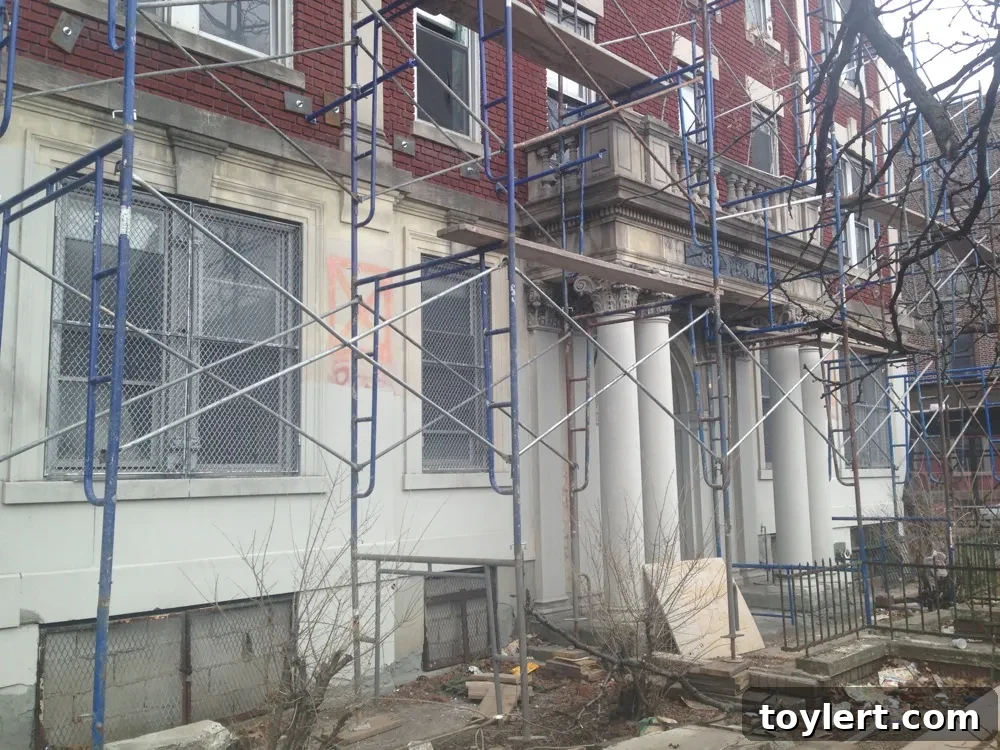
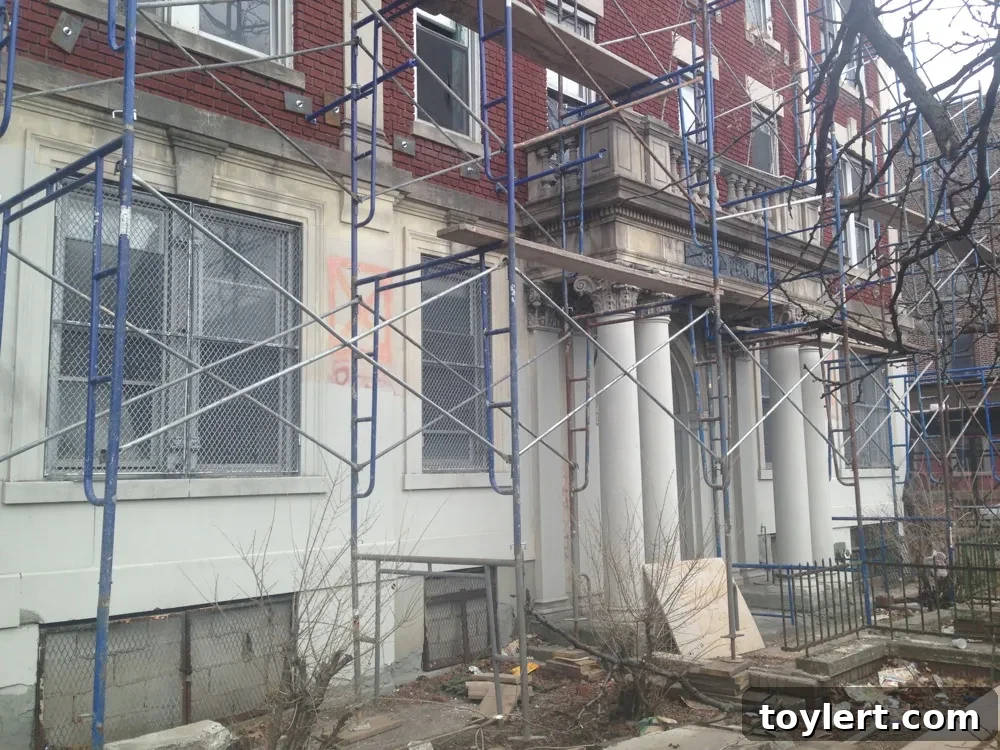
For decades, the stately, yet long-abandoned apartment building at 889 Bushwick Avenue has stood as a stark monument to urban decay, a silent witness to the ebb and flow of Brooklyn’s vibrant Bushwick neighborhood. Built in 1919, this once-proud structure had fallen into severe disrepair, its windows boarded up and its facade marred by the grim, spray-painted warning to city workers: “roof off.” This ominous sign symbolized years of neglect and the very real threat of structural collapse. However, a new chapter has begun for this iconic address. When we recently visited the site, the transformation was undeniable. From the sidewalk, it was clear that the interior had undergone a complete gut renovation, signaling a massive undertaking to bring this historic edifice back to life.
The sight of active construction crews, scaffolding, and the hum of machinery is a welcome change for residents and passersby who have grown accustomed to the building’s derelict state. This revitalization project is more than just a repair; it represents a significant investment in the future of Bushwick, promising to inject new life into a long-dormant piece of its architectural heritage. The meticulous work currently underway aims to not only restore the building’s structural integrity but also to redefine its purpose, transforming it from a symbol of decay into a beacon of modern urban living while respecting its century-old roots. This exciting development underscores a broader trend of historic preservation meeting contemporary urban needs across Brooklyn.
Unveiling the Scope: A Glimpse into the Renovation Permit
Delving into the specifics of this ambitious project, an official permit filed with the New York City Department of Buildings sheds crucial light on the extensive work planned. The scope of work is clearly defined as “removal and replacement of damaged floor joists, roof joists, and structural stabilization.” This brief but potent description underscores the severity of the building’s previous condition and the comprehensive nature of its current overhaul. For a building standing since 1919, experiencing decades of exposure to the elements and severe neglect, the degradation of core structural elements like floor and roof joists is a critical issue that demands expert attention and thorough remediation. These joists are the very backbone of the building, providing crucial support for floors and ceilings, and their integrity is paramount to the safety and longevity of the entire structure. Without proper remediation, the risk of partial or complete collapse would remain high, rendering the building uninhabitable.
The mention of “structural stabilization” is particularly significant. It implies that the building’s fundamental framework had been compromised, necessitating a complex engineering approach to ensure its long-term stability. This could involve reinforcing existing masonry, adding new support columns where necessary, shoring up foundations, or even rebuilding entire sections of the internal framework that were beyond repair. Such extensive structural work goes far beyond cosmetic repairs; it’s a foundational undertaking designed to ensure the building can safely stand for another century, meeting all contemporary safety standards. The fact that this project received a permit for such a comprehensive structural intervention highlights the commitment of the developers to a full, proper restoration, rather than a superficial facelift that might conceal deeper issues. This rigorous approach is crucial for transforming a once dangerous structure into safe, desirable residences.
From Derelict to Desirable: The Resurgence of 24 Apartments
One of the most exciting aspects of this renovation is its commitment to restoring the building to its original residential capacity. Historically, 889 Bushwick Avenue housed 24 apartments, serving as a home for numerous Brooklyn families over the decades since its construction. Despite its advanced state of disrepair, the developers have confirmed that when the extensive work is completed, the building will once again offer 24 individual apartment units. This continuity is a testament to the efficient design and robust construction of early 20th-century apartment buildings, and a strategic choice in a city constantly grappling with acute housing shortages. The decision to retain the original unit count maximizes the building’s potential to contribute to the local housing supply.
The return of 24 modern apartments to the Bushwick housing market is a significant development for the community. Each unit will undoubtedly be transformed from its dilapidated state into contemporary living spaces, likely featuring updated kitchens with modern appliances, renovated bathrooms, and essential amenities that meet current urban demands for comfort and efficiency. This influx of new, high-quality housing, albeit within an existing shell, contributes positively to the neighborhood’s evolving landscape, offering fresh opportunities for residents seeking to live in this dynamic and culturally rich area. The challenge lies in harmonizing the building’s historic charm with modern conveniences, creating homes that are both functional and aesthetically pleasing, appealing to a diverse range of potential tenants or owners who appreciate both heritage and modernity.
Bushwick’s Evolution: A Neighborhood in Constant Motion
The revival of 889 Bushwick Avenue is not an isolated event but rather a powerful symbol of Bushwick’s ongoing transformation. Once a predominantly industrial area, characterized by factories and warehouses, Bushwick has, in recent decades, become a crucible of artistic expression, cultural diversity, and burgeoning residential popularity. Its vibrant street art, proliferation of independent businesses, and lively community have attracted a diverse population, leading to significant revitalization and, inevitably, a degree of gentrification. Projects like the one at 889 Bushwick Avenue are central to this narrative, demonstrating a renewed interest in restoring and adapting existing infrastructure to meet contemporary needs rather than simply demolishing and rebuilding.
The restoration of a long-derelict building directly addresses several key aspects of sustainable urban development. Firstly, it prevents further decay and eliminates potential safety hazards posed by abandoned structures, which can attract crime and detract from neighborhood safety. Secondly, it contributes significantly to the aesthetic improvement of the streetscape, enhancing neighborhood pride and potentially increasing surrounding property values. Thirdly, and perhaps most importantly in a city like New York, it adds much-needed housing stock without expanding the city’s footprint. The decision to maintain the original 24-apartment count is indicative of a developer’s understanding of market demand in this highly sought-after Brooklyn enclave. This project, therefore, serves as a microcosm of Bushwick’s broader journey, balancing historic preservation with progressive development, and honoring its past while building a vibrant future.
The Art and Science of Historic Building Preservation in NYC
Renovating a historic building, especially one that has been left to the elements for decades, is a profoundly complex undertaking that requires a delicate balance of historical sensitivity, structural engineering prowess, and strict adherence to stringent city regulations. The “roof off” warning at 889 Bushwick Avenue signaled a dire situation, indicative of significant water infiltration over many years and severe structural compromise that can lead to rapid deterioration of wooden and masonry elements. The process of addressing such extensive damage involves careful assessment by experienced structural engineers, architects specializing in historic preservation, and highly skilled construction teams who understand the nuances of working with aged materials.
Replacing floor and roof joists in a building constructed over a century ago demands absolute precision and a deep understanding of historical building techniques. Modern materials and construction techniques must be seamlessly integrated while striving to maintain the building’s original footprint, character, and aesthetic appeal. This often involves sourcing period-appropriate materials, custom-fabricating replacements that match existing profiles, or employing restoration techniques that mimic the original craftsmanship. Furthermore, navigating New York City’s labyrinthine permit process for such a significant renovation is a monumental feat in itself, requiring detailed plans, adherence to all current safety codes, and regular inspections by city officials to ensure compliance. The successful execution of such a comprehensive project speaks volumes about the expertise, dedication, and financial investment behind the redevelopment, ensuring that the building will not only be safe and stable but also compliant with all modern building codes and accessibility standards. This careful dance between preserving the old and integrating the new is what ultimately defines successful urban renewal projects, contributing to the rich tapestry of New York City’s architectural landscape.
Beyond Bricks and Mortar: The Community Impact of Revitalization
The transformation of 889 Bushwick Avenue extends far beyond the physical structure itself; its revival has a profound and tangible impact on the surrounding community. For years, the boarded-up building was an eyesore, a decaying presence that potentially attracted illicit activities and cast a shadow of neglect over its immediate vicinity. Its revitalization will undoubtedly foster a greater sense of security, pride, and well-being among local residents who have witnessed its decline and now its rebirth. The re-population of the building with new residents will also contribute positively to the local economy, supporting nearby businesses, cafes, restaurants, and cultural institutions that thrive on local patronage.
Moreover, the restoration project highlights the inherent value in utilizing and enhancing the urban fabric that already exists. Rather than demolishing a structure and building anew, which often carries a larger environmental footprint and can erase valuable historical context, repurposing and renovating an existing structure offers a more sustainable and environmentally conscious approach to development. It preserves a tangible piece of Bushwick’s history, allowing its story to continue in a contemporary form, integrating past and present. This respect for historical continuity, combined with modern upgrades and a commitment to urban sustainability, makes the 889 Bushwick Avenue project a model for thoughtful urban redevelopment. It powerfully demonstrates how old buildings, even those severely neglected, can be given new leases on life, contributing positively to both the built environment and the social fabric of a thriving, dynamic neighborhood.
A New Dawn for 889 Bushwick Avenue
The meticulous efforts to revive 889 Bushwick Avenue mark a significant milestone for the building itself and for the broader Bushwick community. What was once a symbol of urban decay, a venerable structure silently crumbling on one of Brooklyn’s prominent avenues, is now on a clear path to becoming a vibrant, modern residential complex. The comprehensive structural work, from replacing critical joists to ensuring overall stabilization, speaks to the depth of commitment behind this challenging project. The promise of 24 revitalized apartments will undoubtedly enrich the housing landscape of Bushwick, offering contemporary living spaces within a historically significant shell, appealing to a new generation of Brooklynites.
As construction progresses, the boarded-up windows will give way to new ones, the “roof off” warning will become a distant memory, and the building will once again stand tall as a testament to resilience and renewal. The story of 889 Bushwick Avenue is a powerful narrative of urban transformation, showcasing how a blend of thoughtful investment, skilled craftsmanship, and a visionary approach to the future can breathe new life into forgotten spaces. This project contributes significantly to the ongoing evolution of one of New York City’s most dynamic neighborhoods. Its grand revival stands as a beacon of progress and a reminder that even the most neglected structures can, with dedication and foresight, be gloriously reborn.