Editor’s note: This story, first published in 2011, has been thoroughly updated and expanded to reflect the enduring legacy of this iconic institution. For a look back at our earlier coverage, you can read the previous post here.
The Brooklyn Academy of Music: America’s Oldest Performing Arts Center and a Cultural Beacon in Fort Greene
While Manhattan often claims the undisputed crown for America’s cultural supremacy, Brooklyn proudly presents a formidable challenger: the Brooklyn Academy of Music (BAM). Established in 1861, BAM is not just one of the nation’s premier performing arts centers; it holds the distinction of being America’s oldest continuously operating performing arts institution, a testament to Brooklyn’s rich and pioneering cultural history. Far from being merely an entertainment venue, BAM stands as a vibrant nucleus of artistic innovation, community engagement, and architectural grandeur, profoundly shaping the identity of Fort Greene and the broader Brooklyn landscape.
Its historical roots firmly planted in a period when Brooklyn was a thriving independent city, BAM emerged as a critical cultural anchor. Over more than a century and a half, it has evolved, adapted, and consistently pushed the boundaries of artistic expression, maintaining its relevance and influence in a constantly changing urban environment. The story of BAM is a compelling narrative of resilience, vision, and an unwavering commitment to the arts, making it a cornerstone of Brooklyn’s cultural heritage.
A Legacy Forged in Fire: The First BAM on Montague Street
The illustrious journey of the Brooklyn Academy of Music begins not at its famous Lafayette Avenue address, but a short distance away, nestled on Montague Street in Brooklyn Heights. It was here, in 1859, that the original Brooklyn Academy of Music first opened its grand doors. This initial structure was more than just a building; it was a potent symbol of Brooklyn’s burgeoning self-confidence and cultural aspiration. At a time when Brooklyn was a rapidly growing independent city, vibrant and distinct from its larger neighbor across the East River, Montague Street served as its bustling commercial and cultural hub.
The original BAM quickly became the undisputed epicenter of Brooklyn’s social and artistic life, hosting an array of distinguished performances, lectures, and significant civic events. Its stages witnessed grand operas featuring world-renowned singers, captivating theatrical productions that drew diverse audiences, and stirring orchestral concerts that resonated through its elegant halls. This initial Academy provided a vital and much-needed platform for artistic expression and community gathering, cementing Brooklyn’s reputation as a sophisticated and culturally vibrant metropolis. It was a place where Brooklynites could experience the finest artistic endeavors of their era, fostering a strong sense of local pride and cultural identity.
However, this initial, vibrant chapter of BAM’s history came to an abrupt and tragic end on November 30, 1903. A devastating fire swept through the beloved building, reducing the cherished institution to ashes. The loss was keenly felt throughout Brooklyn, a profound blow to the borough’s cultural heart. Yet, the spirit of the Academy was far from extinguished. The community, recognizing the invaluable and irreplaceable role BAM played in its cultural fabric, rallied with remarkable speed and determination, resolute in its commitment to rebuild and reclaim its artistic heritage.
Phoenix Rising: The Grand Rebirth in Fort Greene on Lafayette Avenue
The tragic loss of the Montague Street building presented an unforeseen opportunity not just to reconstruct, but to boldly redefine BAM’s presence and expand its vision. Rather than returning to the original site, the insightful trustees embarked on a bold new venture, making the strategic decision to select a new site in the then-developing neighborhood of Fort Greene. This visionary move to 30 Lafayette Avenue was groundbreaking, positioning BAM at the very heart of what would soon become a major cultural district, a vibrant urban landscape now home to other esteemed institutions like the Brooklyn Public Library and the Mark Morris Dance Group. The deliberate choice of this new location underscored Brooklyn’s burgeoning ambition to create a world-class cultural precinct that could confidently rival, if not ultimately surpass, Manhattan’s celebrated cultural offerings.
The monumental task of designing the new Brooklyn Academy of Music fell into the highly capable hands of the esteemed architectural firm of Herts & Tallant. Renowned for their exceptional work on numerous theaters and concert halls across the nation, their vision for BAM was clear: to create a structure that not only fulfilled its crucial functional purpose but also projected an indelible image of grandeur, permanence, and unparalleled artistic excellence. The culmination of their efforts was a magnificent Beaux-Arts edifice that majestically opened its doors to an eager public on September 30, 1908. This splendid new building represented a stark departure from its predecessor; it was meticulously designed to be fireproof, incorporating the most advanced theatrical technologies and modern amenities of its time, while simultaneously exuding a timeless classical elegance and monumental scale that captivated all who beheld it.
Architectural Splendor: A Masterpiece of Beaux-Arts Design in Brooklyn
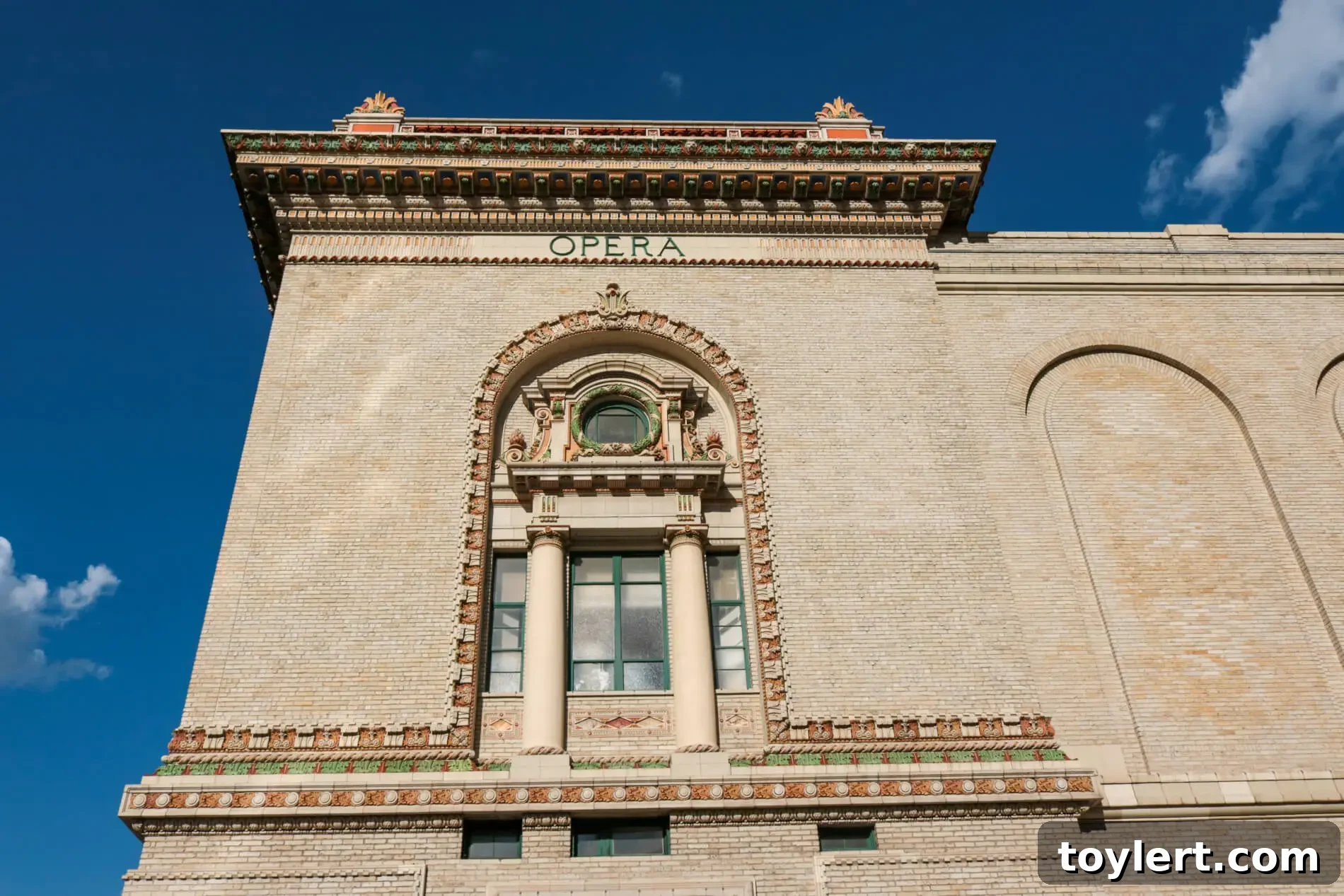
The current Brooklyn Academy of Music building at 30 Lafayette Avenue stands as a breathtaking and enduring example of Beaux-Arts architecture, a style celebrated for its profound classical allusions, meticulously symmetrical planning, and opulent ornamentation. The exterior features a majestic and commanding façade adorned with intricate sculptural details, grand arches that invite contemplation, and towering columns that instantly command attention and convey an unmistakable sense of importance and gravitas. Its imposing presence eloquently reflects the prestige and profound significance of the world-class performances housed within its venerable walls.
Inside, the architectural brilliance continues to unfold with captivating elegance. The building thoughtfully encompasses several distinct and purpose-built performance spaces, each meticulously designed with specific acoustic and visual considerations to optimize the audience experience. The undisputed crown jewel is undoubtedly the **Howard Gilman Opera House**, an opulent auditorium capable of seating approximately 2,100 people. Its lavish interior, characterized by a resplendent gilded proscenium arch, intricately ornate ceilings, and plush, comfortable seating, evokes the grandeur and romance of the most esteemed opera houses of Europe. It is a truly immersive space where every performance, from a dramatic opera to a sweeping ballet, feels like a truly special and unforgettable event, drawing audiences deeply into a profound artistic experience.
Adjacent to the resplendent Opera House is the more intimate and strikingly unique **Harvey Theater**, originally known as the Majestic Theater. Rescued from years of disuse and ingeniously renovated by the visionary architect Hugh Hardy, it deliberately retains a raw, industrial aesthetic. Its exposed brickwork, subtly peeling paint, and visibly structural elements create a compelling and evocative juxtaposition of deliberate decay and inherent grandeur. This distinctive design makes it a cherished venue for experimental theater, cutting-edge dance, and contemporary music, attracting artists and audiences seeking innovative forms. This deliberate contrasting design within the same complex powerfully exemplifies BAM’s unwavering commitment to both preserving artistic tradition and fearlessly embracing avant-garde artistic expression.
Beyond these two major venues, BAM also houses other vital spaces that contribute to its dynamic ecosystem. The **Rose Cinemas** offer a thoughtfully curated selection of independent and foreign films, providing a platform for cinematic art often overlooked by mainstream theaters. The **BAMcafé** serves as a vibrant and bustling hub for live music, delicious food, and lively social interaction, fostering a sense of community. Each individual component of the building contributes synergistically to BAM’s comprehensive identity as a multifaceted cultural complex, catering to an incredibly diverse range of artistic tastes and crucial community needs, making it a truly inclusive institution for all.
A Hub of Artistic Innovation and Cultural Diversity for Over a Century
From its earliest inception, BAM has consistently been a trailblazer in presenting a wide and eclectic spectrum of performing arts. Throughout the 20th century, it continuously pushed conventional boundaries, establishing a stellar international reputation for artistic daring, unwavering excellence, and profound innovation. Under the visionary leadership of figures like Harvey Lichtenstein, who served as president and executive producer from 1967 to 1999, BAM irrevocably cemented its status as an international cultural force. Lichtenstein was instrumental in transforming BAM into a shining beacon for contemporary dance, cutting-edge avant-garde theater, and experimental music, famously introducing American audiences to groundbreaking artists and revolutionary movements from around the world, fundamentally altering the landscape of American performing arts.
BAM has consistently championed diversity and inclusivity in its programming, showcasing a rich and intricate tapestry of global cultures and artistic disciplines. Its hallowed stages have hosted legendary performers and groundbreaking ensembles from across the globe, spanning the elegance of classical ballet companies, the innovation of modern dance troupes, the vocal power of celebrated opera singers, and the challenging work of groundbreaking theater ensembles. This profound commitment to presenting a broad, inclusive, and globally relevant array of performances has not only immeasurably enriched the cultural lives of Brooklynites but has also firmly positioned BAM as an absolutely vital and indispensable institution in the global arts landscape, attracting artists and audiences from every continent.
Beyond its iconic main stage productions, BAM plays an active and crucial role in arts education and community engagement. Through extensive workshops, invaluable masterclasses, and strategic partnerships with local schools and community organizations, it actively nurtures the next generation of artists, patrons, and culturally aware audiences. Its various initiatives are purposefully designed to make the arts accessible to everyone, fostering creativity, critical thinking, and a deeper appreciation for culture within the community. This deep and enduring engagement underscores BAM’s profound understanding that its role extends far beyond merely presenting art; it is also fundamentally about cultivating a vibrant, thriving, and sustainable cultural ecosystem that benefits all members of society.
BAM and the Transformative Power in Fort Greene
The unwavering presence of BAM in Fort Greene has been an undeniably powerful catalyst for the neighborhood’s remarkable growth and profound evolution. When it first relocated to Lafayette Avenue, Fort Greene was a distinctly different place, a neighborhood with immense potential awaiting its full realization. Over the decades, BAM has effectively anchored a cultural district that has steadily blossomed around it, attracting other artistic organizations, innovative independent businesses, and a diverse community of residents who inherently value culture, creativity, and intellectual vibrancy. The synergy between BAM and its surrounding environment is undeniable and deeply symbiotic; the institution has attracted complementary entities and fostered an atmosphere of artistic growth. This powerful relationship has transformed Fort Greene into one of Brooklyn’s most dynamic, desirable, and culturally rich neighborhoods, a testament to the undeniable power of major cultural institutions to serve as formidable urban anchors, driving revitalization and fostering community pride.
Today, BAM continues its dynamic evolution, constantly expanding its physical footprint and programmatic reach to meet the demands of a new century. The significant addition of the **BAM Fisher** building in 2012 provided crucial flexible performance and rehearsal spaces, further enabling BAM to support emerging artists and to experiment with exciting new forms of creative expression. This thoughtful expansion demonstrates BAM’s forward-thinking approach and its unwavering commitment to remaining at the very forefront of the performing arts, ensuring its legacy of innovation continues for generations to come.
Conclusion: Brooklyn’s Enduring Cultural Heartbeat
The Brooklyn Academy of Music stands as an enduring monument to Brooklyn’s profound cultural ambition, remarkable resilience, and unwavering dedication to artistic excellence. From its humble yet significant beginnings on Montague Street to its present-day grandeur and influence on Lafayette Avenue, BAM has consistently defied expectations, fearlessly embraced innovation, and passionately championed artistic integrity. It is much more than simply America’s oldest performing arts center; it is a living, breathing testament to the transformative power of art to inspire, connect, challenge, and ultimately enrich communities, shaping individual lives and collective identities.
In a city often dominated by Manhattan’s towering institutions and global prestige, BAM proudly asserts Brooklyn’s unique cultural identity, offering a diverse, compelling, and often groundbreaking array of performances that consistently challenge, entertain, and provoke thoughtful introspection. It remains a vital cultural heartbeat, tirelessly working to ensure that Brooklyn continues to be recognized not just for its iconic brownstones, picturesque parks, and vibrant neighborhoods, but as a world-class, indispensable destination for the performing arts on a global scale. The magnificent legacy of BAM is an ongoing story of continuous rebirth, unwavering artistic integrity, daring innovation, and profound dedication to the enriching and empowering force of culture—a story that continues to unfold with every memorable curtain call, inspiring new chapters with each passing season.