Exploring Brooklyn: A Tapestry of History, Community, and Urban Evolution
Brooklyn, often referred to as the “Borough of Homes and Churches,” is much more than a geographical entity; it’s a vibrant, ever-evolving mosaic of diverse neighborhoods, each pulsing with its own unique character and story. From the historic brownstones that line the streets of Cobble Hill and Park Slope to the thriving artistic enclaves of Bushwick and Williamsburg, Brooklyn offers a living testament to urban resilience, community spirit, and continuous transformation. This article delves into the diverse facets that make Brooklyn an endlessly fascinating place, touching upon its rich architectural heritage, critical environmental concerns, vital infrastructural developments, dynamic real estate market, and the indispensable role of local governance and passionate community activism in shaping its future.
Brooklyn’s Enduring Architectural Heritage and Evolving Neighborhoods
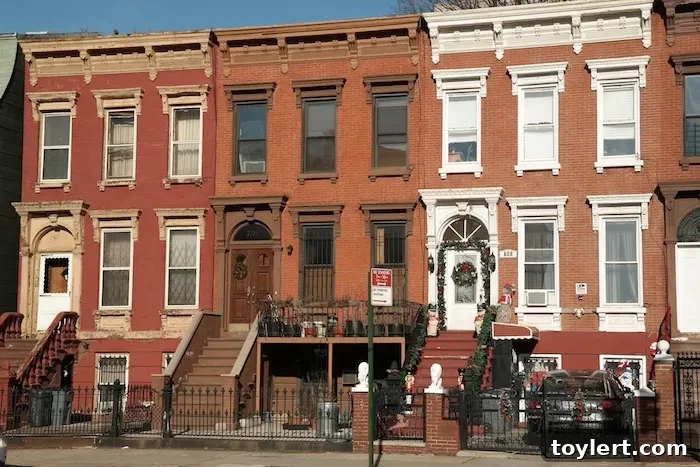
The iconic image of Bushwick row houses captures just a glimpse of Brooklyn’s deep and varied architectural tapestry. Across the borough, rows of meticulously crafted brownstones, sturdy brick townhouses, and an array of diverse architectural styles tell stories spanning centuries. These structures are not merely buildings; they are cultural landmarks that define the aesthetic and historical essence of beloved neighborhoods like Bushwick, Bedford-Stuyvesant, and Carroll Gardens. Bushwick, for instance, once an industrial hub, has experienced a remarkable renaissance, transforming into a vibrant center for art, culture, and innovative businesses, all while preserving much of its historic streetscape and architectural charm. The interplay between preservation and progressive development is a constant theme in Brooklyn, where residents, urban planners, and developers often navigate the delicate balance of maintaining historical integrity while accommodating modern needs and explosive growth.
The undeniable charm of these residential blocks is a significant draw for newcomers seeking an authentic New York experience and a profound source of pride for long-time residents. Brooklyn’s neighborhoods are celebrated for their walkability, their inviting tree-lined streets, and the strong sense of community that is fostered within their boundaries. This deep connection to place is what makes discussions about everything from local infrastructure improvements to fluctuating real estate values so passionately debated and deeply felt by residents. Understanding the unique character of each neighborhood, from the bustling commercial avenues to the serene residential pockets, is key to appreciating the broader, complex narrative of Brooklyn’s urban evolution and its enduring appeal.
Environmental Vigilance and Urban Resilience: Protecting Brooklyn’s Future
Brooklyn’s dynamic history, particularly its extensive industrial past, brings with it important and ongoing environmental considerations. A striking case in point, highlighted by the news about a map detailing Brooklyn’s toxic spills, underscores the critical need for continuous environmental monitoring and proactive remediation efforts. This “enthralling and terrifying” map serves as a stark, visual reminder of legacy pollution and the unwavering commitment required to safeguard public health and ecological integrity across the borough. Community organizations, dedicated environmental advocates, and local government agencies work tirelessly to identify, assess, and clean up contaminated sites, often transforming former industrial areas into safe public parks, vibrant residential zones, or bustling commercial spaces that are healthy for future generations. These crucial initiatives are not solely about rectifying the mistakes of the past but are fundamentally about shaping a sustainable, healthier, and more equitable future for all Brooklynites.
Beyond these historical environmental challenges, Brooklyn, as a coastal borough, frequently grapples with the escalating impacts of climate change, particularly through more intense and frequent severe weather events. The devastating aftermath of Hurricane Sandy, which left an indelible mark on New York City, brought to light the vulnerability of critical infrastructure across the region. The news regarding the commencement of repair to the Carroll Street Bridge mechanisms damaged during Sandy exemplifies Brooklyn’s enduring spirit of resilience and its proactive approach to urban planning and recovery. This historic bridge, a vital link in the charming Carroll Gardens neighborhood, is more than just a passage for vehicles and pedestrians; it represents the intricate network of infrastructure that supports daily life and commerce. Crucial investments in repairing and reinforcing such structures are absolutely essential for ensuring the borough’s ability to withstand future environmental challenges, maintaining vital connectivity, and protecting the safety and well-being of its diverse residents. These projects highlight a profound commitment to not only fix what is broken but to build back stronger, more sustainably, and with an eye towards long-term climate resilience.
Community Pillars and Active Living: Strengthening Local Bonds
At the very heart of Brooklyn’s identity lies its robust and deeply ingrained community spirit, a quality nurtured and sustained by vital local institutions and engaging initiatives. The Brooklyn Public Library (BPL) stands as a quintessential example of such a pillar, serving millions of residents across its numerous, easily accessible branches. The rallying call to “Bike the Branches and Support the Brooklyn Public Library” perfectly epitomizes the creative and active ways the borough fosters civic engagement and robust support for its essential public services. Events like this not only encourage active living and healthy lifestyles but also promote the exploration of Brooklyn’s incredibly diverse neighborhoods, fostering a sense of adventure and discovery. Furthermore, they raise crucial funds and awareness for an institution that provides invaluable resources—ranging from comprehensive educational programs and vital job training to enriching cultural events and indispensable free internet access—to people of all ages and backgrounds. These initiatives powerfully underline the library’s multifaceted role as a cornerstone of learning, a hub for community connection, and a catalyst for broader civic development.
Such thoughtfully designed, community-focused events not only generate vital support for critical institutions like the BPL but also actively reinforce the dense, interconnected social fabric that makes Brooklyn so unique and appealing. They create invaluable opportunities for residents to interact, engage with their surroundings, and develop an even stronger sense of belonging to their local community. The widespread success of the “Bike the Branches” initiative, and countless similar community-driven campaigns, reflects Brooklynites’ shared commitment to uplifting local amenities and embracing a lifestyle that values both personal well-being and collective welfare. These collective efforts demonstrate a deep understanding among the borough’s residents that a truly thriving urban environment is built not just on robust infrastructure and booming commerce, but fundamentally on the strength of its community bonds and the equitable accessibility of its public resources for everyone.
Brooklyn’s Dynamic Real Estate Landscape: Growth, Investment, and Transformation
Brooklyn’s real estate market continues to be a hotbed of activity, reflecting its undeniable desirability as a place to live, work, and invest. The intriguing announcement, “It is April, but We Ain’t Foolin’: 1132 Bergen Street,” hints at a specific property highlight, emblematic of the individual transactions that continually reshape neighborhood aesthetics and demographics. Whether it’s a historic brownstone undergoing a meticulous, high-end renovation, a multi-family unit being upgraded, or a brand-new development rising from a previously vacant lot, each property transaction contributes significantly to the borough’s evolving architectural narrative and its sustained economic vibrancy. These properties often attract a diverse array of buyers, from young families seeking more space and a strong community feel to seasoned investors looking for lucrative opportunities in one of the most dynamic and competitive urban markets in the world.
On a larger scale, the noteworthy sale of an apartment building at 1834 Caton Avenue for $18.5 Million underscores the substantial investment flowing into Brooklyn’s multi-family housing sector. This significant transaction, occurring in vibrant neighborhoods like Flatbush or Prospect Park South, clearly illustrates the confidence investors have in Brooklyn’s long-term growth potential and stability. Such high-value sales often signal broader trends in market appreciation, increasing urban density, and the surging demand for rental units, which are crucial for accommodating Brooklyn’s rapidly growing population. While these developments can bring new amenities, services, and economic opportunities to a neighborhood, they also invariably spark important conversations about affordability, gentrification, and the preservation of unique community character. The complex interplay between residential demand, commercial development, and local community impact remains a central and defining feature of Brooklyn’s ever-evolving real estate story, making it a constant focal point for residents, developers, and policymakers alike.
Local Governance, Advocacy, and Community Empowerment in Brooklyn
The pulse of Brooklyn’s future is often felt most strongly and immediately in its local political arena, where dedicated elected officials and passionate community activists champion diverse causes that directly impact daily life. Brooklyn Councilman Cornegy’s proposal for a Small Business Advocate is a prime example of proactive governance aimed at bolstering the borough’s vital economic backbone. Small businesses are, without question, the lifeblood of Brooklyn’s neighborhoods, fostering unique identities, creating essential local jobs, and providing indispensable services that keep communities thriving. An advocate specifically dedicated to supporting these enterprises—whether through navigating complex regulations, accessing crucial funding, or promoting local commerce—can significantly strengthen the economic resilience and diversity of Brooklyn. This insightful initiative reflects a broader and increasingly recognized understanding that a thriving, locally-rooted economy is fundamental to the overall well-being and prosperity of the entire community.
Further demonstrating the vibrant and sometimes contentious nature of local politics and community engagement, the news of Councilman Reynoso’s arrest at a rally for a ‘Burg Daycare and Senior Center highlights the immense passion, dedication, and occasional friction often involved in advocating for critical social services. This incident, likely stemming from a protest or demonstration, underscores the ongoing struggles and important triumphs in ensuring adequate resources for vulnerable populations—from early childhood education and childcare to elder care. In dynamic neighborhoods like Williamsburg (often affectionately referred to as ‘Burg), where rapid development and gentrification can sometimes strain existing social infrastructure, community activism plays an absolutely crucial role in holding officials accountable and pushing for equitable access to essential services for all residents. These events serve as powerful reminders of the democratic process at work, where citizens and their representatives engage directly with pressing issues, often with profound and lasting implications for the quality of life across Brooklyn’s diverse and spirited communities.
Conclusion: Brooklyn’s Unfolding Narrative
From its picturesque, historic row houses to its bustling commercial streets, from its pressing environmental challenges to its unwavering community spirit, Brooklyn continues to evolve as a dynamic, complex, and multifaceted borough. The diverse stories unearthed in this article—ranging from critical infrastructure repairs and high-value real estate transactions to robust community initiatives and vital political advocacy—paint a vivid and comprehensive picture of a place constantly in motion, rich with history and brimming with future potential. Brooklyn is not just a collection of distinct neighborhoods; it is a living, breathing entity, shaped by its rich historical tapestry, its resilient people, and its collective vision for a sustainable, equitable, and vibrant future. Its enduring appeal lies precisely in this very complexity, offering a unique blend of urban grit, refined charm, and progressive spirit that continues to captivate residents and visitors alike, solidifying its place as one of the world’s most captivating urban centers.
Photo by Jeff Reuben