Exploring Brooklyn’s Dynamic Landscape: Culture, Community, and Real Estate in Flux
Brooklyn, a borough renowned for its relentless evolution and vibrant character, stands as a microcosm of New York City’s multifaceted identity. From its tree-lined streets in historic districts to the bustling energy of its revitalized industrial zones, Brooklyn continuously reinvents itself, drawing artists, entrepreneurs, and families alike. This article delves into various facets of Brooklyn life, touching upon its rich cultural tapestry, the challenges and triumphs within its communities, and the ever-shifting dynamics of its real estate market, reflecting a period of significant change and discussion within the borough and beyond.
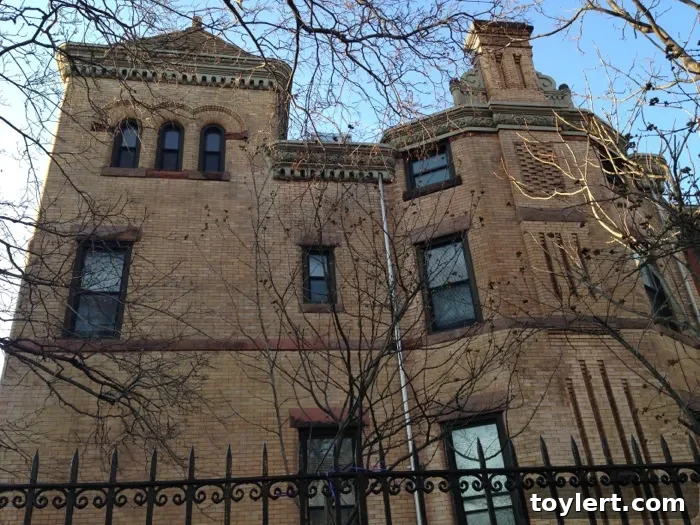
Our journey begins with an image that might evoke the quiet charm of a winter day at Bushwick Avenue Grove, a reminder of the borough’s diverse architectural and natural beauty. This particular corner of Brooklyn, like many others, tells a story of transformation, blending old-world charm with new developments, epitomizing the constant motion that defines this iconic New York City borough.
The Cultural Pulse: Literature and Legacy in Brooklyn
Brooklyn has long been a haven for creatives, a fertile ground where stories are born and legacies are forged. The literary scene, in particular, thrives with an energy that is both intellectual and deeply personal. It’s not uncommon to encounter figures shaping contemporary literature within its cafes and bookstores.
Gary Shteyngart and the Brooklyn Literary Scene
One such prominent voice is that of acclaimed author Gary Shteyngart, whose reflections on books and a poignant encounter with a crying writer in Brooklyn offer a glimpse into the emotional landscape of the borough’s literary community. Shteyngart, known for his satirical yet deeply human observations, often captures the anxieties and aspirations of modern life. His presence in discussions about Brooklyn’s literary contributions underscores the borough’s role as a vital center for storytelling. The anecdote of a crying writer, perhaps grappling with creative blocks or the harsh realities of the publishing world, humanizes the often-glamorized image of literary life, grounding it in the very real struggles and triumphs experienced by artists seeking their voice in this demanding city.
Harry Belafonte’s Enduring Impact in Bed-Stuy
Beyond contemporary literature, Brooklyn resonates with the echoes of historical figures and their lasting contributions. The venerable activist and entertainer Harry Belafonte’s decision to speak at a play hosted within Interfaith Medical Center in Bed-Stuy highlights the deep connection between arts, community, and social justice in Brooklyn. Belafonte, a titan of both civil rights and entertainment, chose a setting that emphasizes health and community welfare, reflecting a commitment to upliftment. Such events are vital for fostering community spirit, providing inspiration, and bridging cultural divides, particularly in historic neighborhoods like Bed-Stuy, which have their own rich tapestry of resilience and cultural pride. His involvement underscores the borough’s ongoing commitment to social progress and community engagement, rooted deeply in its diverse population.
Education and Identity: Shaping Brooklyn’s Future
The future of Brooklyn is undeniably tied to its educational institutions and the ongoing discussions about community identity. These elements are crucial in shaping the next generation and defining what it means to be a Brooklynite.
France’s Advocacy for French in Brooklyn Schools
An intriguing aspect of Brooklyn’s educational landscape involves international collaboration, such as France’s active advocacy for teaching French in Brooklyn schools. This initiative speaks to a broader movement towards globalized education and cultural exchange. Introducing foreign languages early enriches students’ learning experiences, opens doors to diverse cultures, and prepares them for an increasingly interconnected world. The direct involvement of a foreign nation in promoting its language in local schools is a testament to Brooklyn’s international appeal and its role as a melting pot of cultures, where various global influences converge to shape local educational policies and curricula. This push reflects a desire to enhance cultural literacy and provide students with a competitive edge in a global economy.
“My Brooklyn, Not Yours”: The Gentrification Dialogue
However, beneath the surface of cultural richness and educational advancement lies a persistent tension regarding Brooklyn’s evolving identity. The powerful statement “My Brooklyn, Not Yours” published in Jacobin Magazine encapsulates the fierce debate surrounding gentrification and displacement. This phrase echoes the sentiments of long-time residents who feel increasingly alienated by rapid changes, rising costs, and the influx of new populations. It highlights the struggle to preserve the unique character and history of neighborhoods while accommodating growth and development. This narrative is crucial for understanding the social dynamics at play, reminding us that Brooklyn’s transformation is not monolithic but rather a complex interplay of progress and loss, opportunity and challenge, deeply affecting the lives of its diverse inhabitants. The article likely explores the varying perspectives on who benefits from Brooklyn’s transformation and who is left behind, underscoring the ongoing fight for equitable urban development.
Real Estate and Urban Development: A City in Transformation
Perhaps no other aspect illustrates Brooklyn’s dramatic shifts as clearly as its real estate market. Stories of soaring property values and ambitious housing plans paint a picture of intense demand and continuous development, but also of persistent inequalities.
The Soaring Value of Park Slope Real Estate
The astonishing appreciation of properties, such as a Park Slope townhouse bought for $20,000 in 1966 now on the market for $4 million, serves as a stark illustration of Brooklyn’s real estate boom. This incredible leap in value in one of Brooklyn’s most desirable neighborhoods, like Montgomery Place, reflects not only inflation but also the massive desirability of living in Park Slope. This area, known for its brownstones, parks, and vibrant community, has become a symbol of upscale Brooklyn living. Such anecdotes underscore the borough’s transformation from a working-class haven to a highly sought-after residential destination, attracting significant investment and dramatically altering its economic landscape. This appreciation, while beneficial for some long-term owners, also contributes to the rising cost of living and challenges related to housing affordability.
Challenges in Minority Areas: Mortgages in Brownsville
Yet, this economic prosperity is not evenly distributed across all Brooklyn neighborhoods. A concerning report highlighted that banks issue the fewest conventional mortgages in minority areas like Brownsville. This disparity points to systemic issues of financial access and inequality within the city’s housing market. Brownsville, a neighborhood with a predominantly minority population, has historically faced disinvestment and economic marginalization. The lack of access to conventional mortgages can hinder homeownership, limit opportunities for wealth building, and perpetuate cycles of economic disadvantage. This issue underscores the need for targeted policies and community investments to ensure equitable access to financial resources and promote inclusive development across all of Brooklyn’s diverse communities, not just its affluent ones.
Bloomberg’s Legacy: Housing Plan Completion
Addressing the broader housing challenges, former Mayor Michael Bloomberg’s administration demonstrated a significant commitment to urban planning. It was reported that Bloomberg completed 95 percent of his housing plan before leaving office. This ambitious plan aimed to create and preserve affordable housing units across New York City, including Brooklyn. Achieving such a high percentage of completion reflects a concerted effort to tackle the city’s housing crisis, which is particularly acute in rapidly growing areas like Brooklyn. While any large-scale housing plan inevitably faces criticism regarding its impact and sufficiency, this accomplishment signifies a substantial investment in addressing one of the most critical issues facing New Yorkers. It highlights the ongoing struggle to balance development with affordability, a challenge that subsequent administrations continue to grapple with.
Lifestyle, Leisure, and Brooklyn’s Evolving Identity
Beyond the serious discussions of real estate and social justice, Brooklyn offers a vibrant lifestyle, characterized by unique leisure activities and a constantly evolving identity that captures national attention.
The Adventurous Spirit: Brooklyn Snow Bus
Embodying the adventurous spirit of New Yorkers, the Brooklyn Snow Bus offered a unique winter escape, ferrying New Yorkers to the mountains with beer included. This innovative service catered to the urban dweller’s desire for outdoor adventure without the hassle of car ownership or complex travel arrangements. It exemplifies the ingenuity of local businesses in Brooklyn, identifying niche markets and providing convenient, enjoyable experiences. Such initiatives contribute to Brooklyn’s reputation as a borough where creativity extends to lifestyle and leisure, offering residents a diverse range of activities that cater to their dynamic interests, from urban exploration to mountain retreats.
Is Detroit the New Brooklyn? A Tale of Urban Revival
Brooklyn’s reputation as a beacon of urban cool and revival has even inspired comparisons to other cities undergoing their own transformations. The provocative question, “Why Detroit Is the New Brooklyn,” explored by Fortune, delves into the phenomenon of urban renewal and the search for the “next big thing.” This comparison speaks to Brooklyn’s significant influence on national urban narratives, symbolizing gentrification, artistic renaissance, and economic revitalization. While each city’s trajectory is unique, the comparison highlights shared themes of attracting creative talent, reclaiming urban spaces, and navigating the challenges that come with rapid development. It encourages a broader dialogue about urban policy, economic development, and how cities learn from and inspire one another in their journey toward renewal.
Public Safety: Crime Drops at Atlantic Center Mall
Finally, the quality of life in Brooklyn is also measured by the safety and security of its public spaces. The news that crime dropped at Atlantic Center Mall, according to police, is a positive indicator for local residents and businesses. Malls and commercial centers are vital hubs of economic activity and social interaction. A decrease in crime rates contributes to a safer environment, encouraging more foot traffic, boosting local commerce, and improving the overall perception of public safety. This reflects ongoing efforts by law enforcement and community stakeholders to maintain order and create welcoming spaces for everyone. It’s a reminder that beneath the grand narratives of cultural shifts and real estate booms, the daily lived experience of Brooklynites is significantly impacted by safety and security in their immediate environments.
Conclusion: Brooklyn – A Borough of Endless Stories
Brooklyn continues to be a borough of captivating contrasts and dynamic growth. From its thriving literary and cultural scenes to the intricate challenges of urban development and social equity, it remains a place of constant redefinition. The stories captured, whether of an author’s quiet observation, an activist’s powerful address, the push for global education, or the fierce debates over identity and affordability, collectively paint a picture of a borough that is both deeply rooted in its history and vigorously marching towards its future. Brooklyn is not just a collection of neighborhoods; it is a living entity, continuously shaping and being shaped by the millions who call it home, offering endless stories and insights into the evolving urban experience. Its resilience, diversity, and innovation ensure that Brooklyn will remain at the heart of New York City’s narrative for generations to come, a true testament to its enduring spirit and undeniable charm.