Brooklyn’s Ever-Evolving Canvas: Unpacking Urban Trends, Real Estate, and Community Dynamics
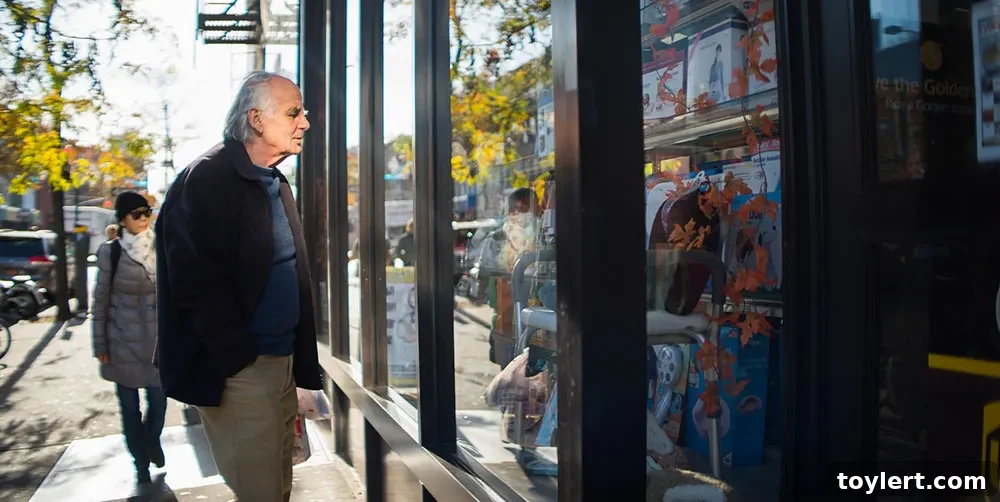
Brooklyn, New York, is a borough defined by its relentless evolution. From historic brownstones to avant-garde new developments, its neighborhoods are a melting pot of culture, innovation, and community spirit. The streets of Park Slope, as captured in the timeless act of window shopping on 5th Avenue, symbolize the vibrant local commerce and unique charm that continues to draw residents and visitors alike. This energy is palpable across the borough, constantly shaping its urban landscape and presenting both exciting opportunities and complex challenges. In this article, we delve into some of the most compelling recent developments impacting Brooklyn’s diverse communities, from significant public space overhauls to dynamic shifts in housing and entertainment. Understanding these trends offers a clearer picture of where Brooklyn stands today and where it is headed in its continuous transformation.
Navigating Brooklyn’s Dynamic Landscape: Key Developments and Community Stories
The heartbeat of Brooklyn resonates through its neighborhoods, each with its own distinct character and ongoing narrative of growth and change. From strategic investments in public infrastructure to innovative approaches in residential living, the borough is a microcosm of broader urban trends. These recent stories highlight the multifaceted nature of Brooklyn’s development, touching upon sustainability, community engagement, economic shifts, and the ongoing quest for equitable urban living.
Crown Heights: Sustainable Playgrounds and Modern Living Debates
Crown Heights, a neighborhood rich in history and diversity, has been a focal point for significant urban development. One notable project involves a substantial $5 million sustainable revamp of a local playground. This investment underscores a growing commitment to creating green, resilient public spaces that not only serve as vital community hubs but also champion environmental responsibility. Such initiatives are crucial for the well-being of urban children and families, offering safe, engaging environments designed for both play and ecological mindfulness. The integration of sustainable materials and practices ensures these spaces are built to last, providing long-term benefits for the community and setting a precedent for future urban planning efforts.
Concurrently, Crown Heights has found itself at the center of a debate concerning modern living solutions, specifically the legality of a “co-living” space. Co-living, a burgeoning trend in high-density urban areas, aims to provide more affordable and communal housing options by offering shared living spaces with private bedrooms. While proponents advocate for its potential to foster community and address housing shortages, the rapid emergence of such models often outpaces existing zoning laws and building regulations. Investigations into the legality of these spaces highlight the tension between innovative housing solutions and the necessity of ensuring tenant safety, proper oversight, and compliance with urban planning standards. This ongoing discussion reflects broader challenges in accommodating new forms of residential living within established urban frameworks across New York City.
Cultural Vibrancy and Iconic Attractions: From Sunset Park Raves to Coney Island Classics
Brooklyn’s cultural scene continues to diversify, catering to a wide array of tastes and demographics. Sunset Park, a neighborhood known for its industrial roots and burgeoning artistic community, recently hosted a major rave that sought to attract an older, more discerning crowd. This event signifies a sophisticated evolution in Brooklyn’s nightlife, moving beyond conventional venues to offer experiences characterized by unique soundscapes and a mature atmosphere. Such cultural happenings not only bolster Brooklyn’s reputation as a global entertainment hub but also provide economic opportunities for local businesses and artists, enriching the borough’s dynamic cultural fabric and demonstrating its capacity to innovate within the entertainment sector.
Meanwhile, the iconic Coney Island provided a surprising moment of tradition-breaking joy as the Wonder Wheel, a timeless symbol of Brooklyn, opened its gates on New Year’s Day for the first time ever. This unprecedented opening offered residents and tourists a novel way to kick off the new year, enjoying the classic charm of the amusement park in an unexpected season. Events like this underscore Coney Island’s enduring appeal as a beloved landmark and tourist destination, showcasing its ability to reinvent itself while preserving its historical significance. It also highlights the efforts to extend seasonal attractions, providing year-round enjoyment and boosting local tourism outside the traditional summer months.
Brooklyn’s Real Estate Realm: Townhome Trends and Affordable Housing Challenges
The real estate market in Brooklyn remains as dynamic and competitive as ever, with new development townhomes emerging as a significant trend across various neighborhoods. These multi-story residences, often blending modern amenities with classic architectural styles, are particularly appealing to families and individuals seeking more space and a sense of permanence in the bustling borough. The proliferation of townhome developments reflects a broader demand for diversified housing options and an increasing desire for homeownership within Brooklyn’s vibrant communities. This trend is reshaping local streetscapes and contributing to the ongoing evolution of Brooklyn’s residential profile, although often at price points that reflect the borough’s high demand.
However, the pursuit of desirable housing in Brooklyn also brings to light persistent challenges, particularly concerning affordable housing. A recent investigation in Queens uncovered instances of tax-subsidized tenants illegally renting out their affordable apartments on platforms like Airbnb. This controversial issue exposes critical vulnerabilities within the system designed to provide affordable housing to those in need. When units intended for long-term, low-income residents are diverted for short-term, profit-driven rentals, it exacerbates the existing housing crisis and undermines the very purpose of such subsidies. This scenario highlights the complex interplay between technology, housing policy, and ethical responsibility, prompting urgent calls for stricter oversight and enforcement to protect the integrity of affordable housing programs across New York City.
Beyond Bricks and Mortar: Discovering the Best Design Features in a Brooklyn Home
When considering the appeal of a Brooklyn home, whether it’s a newly developed townhome or a renovated brownstone, the “best design feature” can be highly subjective, yet universally rooted in enhancing liveability and aesthetic pleasure. Beyond superficial decor, a truly exceptional design feature often embodies functionality, sustainability, and a deep connection to its urban environment. For many Brooklynites, this might mean a meticulously crafted kitchen that serves as the heart of the home, combining high-end appliances with bespoke cabinetry and ample natural light, making it a joy for both everyday meals and entertaining. Alternatively, a seamlessly integrated indoor-outdoor living space, perhaps a private garden oasis in a backyard or a thoughtfully designed rooftop deck, provides a crucial escape from the city’s hustle and bustle, offering tranquility and opportunities for urban gardening or al fresco dining.
Another increasingly valued design element is smart home technology, discreetly woven into the fabric of the residence. This might include integrated systems for climate control, lighting, security, and entertainment, all controllable from a central hub or smartphone. Such features not only add convenience and energy efficiency but also enhance safety and comfort. Furthermore, architectural elements that celebrate Brooklyn’s unique character, like exposed brick walls, original hardwood floors, or restored period details, often become the most cherished design features, blending historical charm with modern living. Ultimately, the best design feature in a Brooklyn home is one that thoughtfully combines beauty, utility, and a keen understanding of the homeowner’s lifestyle within the dynamic context of city living, transforming a mere house into a sanctuary and a true reflection of personal style and urban sophistication.
Join the Conversation: Your Perspective on Brooklyn’s Future
Brooklyn stands at a pivotal juncture, continuously balancing its rich historical legacy with the demands of modern urban development. The narratives explored above – from sustainable community spaces and evolving cultural scenes to intricate housing challenges and innovative design trends – collectively paint a picture of a borough in constant motion. These changes impact everyone, shaping the daily lives of residents, influencing local economies, and defining the very character of our neighborhoods. We believe that a vibrant community is one where diverse voices are heard and valued.
What are your thoughts on these developments? How do you see Brooklyn evolving in the coming years? Do you have a favorite design feature that makes a Brooklyn home truly special, or a particular local issue that resonates with you? Your insights and opinions are incredibly valuable as we collectively navigate the future of this dynamic borough. We invite you to share your perspective, engage in thoughtful discussion, and contribute to the ongoing conversation about what makes Brooklyn such a unique and compelling place to live, work, and explore.