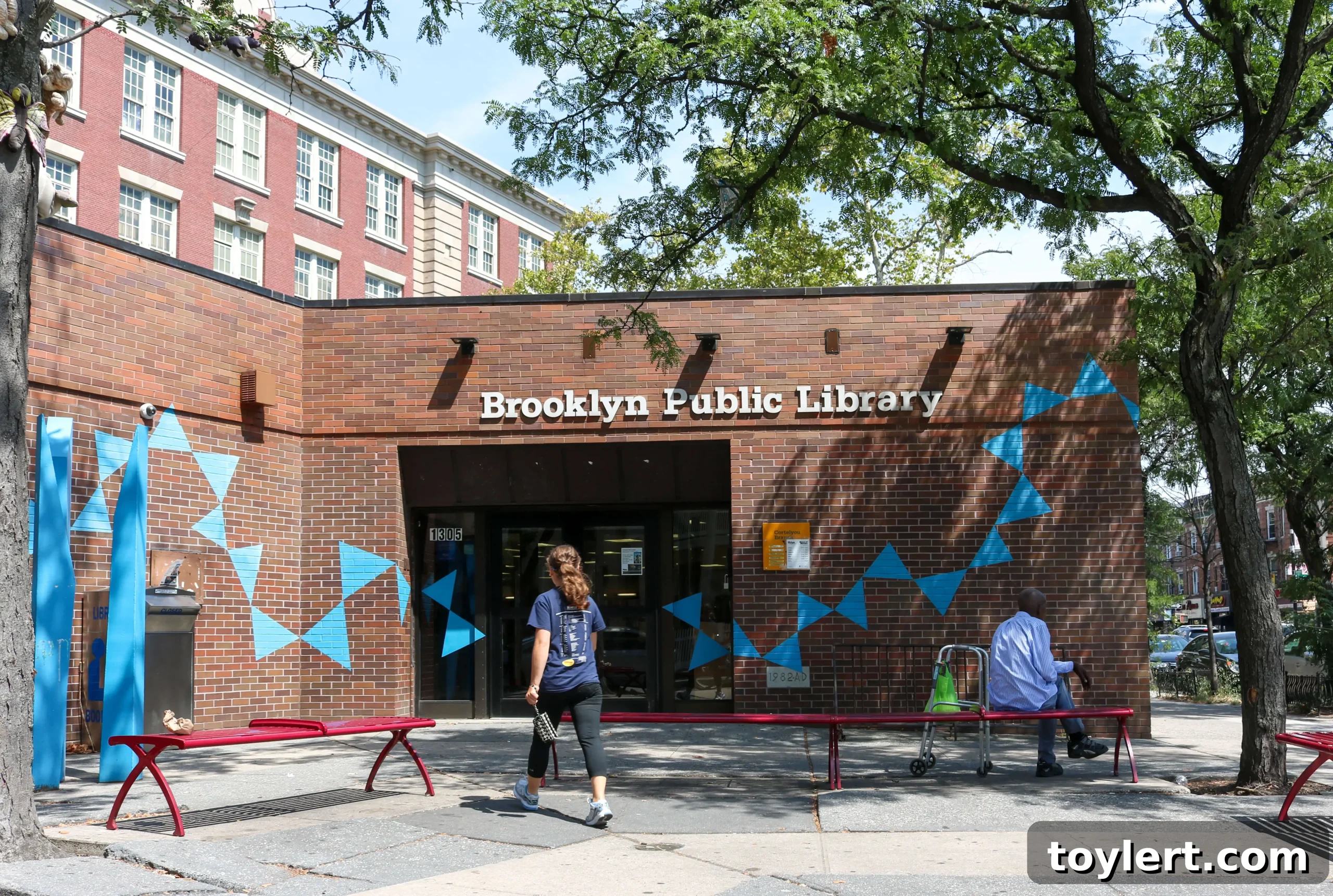
Brooklyn’s Vital Library System Grapples with Widespread Staffing Shortages, Forcing Branch Closures
The Brooklyn Public Library (BPL) system, a cornerstone of learning, culture, and community in Kings County, is currently facing a significant challenge: widespread staffing shortages that have led to the closure of multiple branches and reduced services at others. This crisis is leaving countless residents, from avid readers to students and job seekers, with diminished access to essential resources and beloved community spaces.
Of the 58 robust branches that typically serve the diverse neighborhoods of Brooklyn, a concerning number are now shuttered. Ten branches have been forced to close their doors completely due to an insufficient number of employees available to operate them safely and effectively. Additionally, at least one other branch has experienced substantial reductions in its operational hours and available services, further limiting public access to its offerings.
These closures are not merely an inconvenience; they represent a tangible loss for a borough that deeply values its public institutions. Libraries in Brooklyn are more than just repositories of books; they are vibrant community hubs offering a vast array of services, including free internet access, educational programs, job assistance, cultural events, and safe spaces for people of all ages. The current situation underscores the critical role these institutions play in the daily lives of Brooklynites and highlights the fragility of essential public services when faced with systemic staffing challenges.
The Far-Reaching Impact on Brooklyn’s Communities
The immediate and most apparent consequence of these BPL closures is the reduced availability of physical books and media for checkout. For Brooklyn’s dedicated “bookworms,” this means fewer options to explore new literary titles, pursue research, or simply enjoy the pleasure of reading in a quiet environment. However, the ripple effect extends far beyond the inability to borrow a novel.
Libraries are indispensable for bridging the digital divide, providing free computer access and Wi-Fi to individuals who may not have these resources at home. Students rely on these facilities for homework and research, while job seekers utilize them for resume building and online applications. Seniors often depend on libraries for social interaction, access to information, and technology assistance. Families frequent branches for children’s story times, educational workshops, and a safe, stimulating environment for their young ones. With branches closed, these vital lifelines are severed, disproportionately affecting vulnerable populations who rely most heavily on public services.
Moreover, libraries serve as crucial cultural anchors, hosting author talks, art exhibits, language classes, and citizenship workshops. They are non-commercial public spaces where community members can gather, connect, and learn without financial barriers. The temporary loss of ten branches fundamentally undermines the fabric of neighborhood life and limits opportunities for civic engagement and personal growth across a wide spectrum of the population.
Unpacking the Causes of Staffing Shortages
The challenges leading to the Brooklyn Public Library’s staffing crisis are multifaceted, reflecting broader trends in the labor market and specific pressures within the public sector. While the exact interplay of factors can be complex, several key elements are likely contributing to the current predicament.
One significant factor is the lingering impact of the COVID-19 pandemic. The pandemic led to initial disruptions, re-evaluations of work-life balance, and, in some cases, career changes for many workers. The “Great Resignation” phenomenon, where employees across various industries have opted to leave their positions, has also likely affected library staff, who may seek better compensation, improved working conditions, or new career paths.
Compensation and benefits also play a critical role. In a city with a high cost of living like New York, competitive salaries are essential for attracting and retaining talent. If library wages and benefits do not keep pace with the market or with the rising cost of living, it becomes increasingly difficult to fill open positions. This can lead to a cycle where existing staff experience increased workloads and burnout, potentially prompting further departures and exacerbating the shortage.
Budgetary constraints can also indirectly contribute to staffing woes. Even if there’s a recognized need for more employees, insufficient funding can hinder the library’s ability to offer competitive salaries, expand benefits, or hire additional personnel. This systemic underfunding can create a chronic state of being understaffed, impacting service quality and employee morale.
The Enduring Importance of Public Libraries in Modern Society
In an increasingly digital and often fragmented world, the role of the public library remains more critical than ever. Far from being obsolete, libraries have evolved into dynamic centers that address contemporary societal needs. They serve as essential community infrastructure, providing equitable access to information, fostering literacy, and promoting lifelong learning for all residents, regardless of age, background, or socioeconomic status.
Libraries are powerful tools for social mobility. They offer resources for skill development, job search assistance, and entrepreneurial support, helping individuals improve their economic prospects. They are safe havens for marginalized communities, providing access to legal aid information, health resources, and support networks. For immigrants and new Americans, libraries are often the first point of contact for language learning and cultural integration.
Beyond practical services, libraries cultivate a sense of community and belonging. They are among the few remaining public spaces where people can gather, explore ideas, and connect with others in a non-commercial setting. They champion intellectual freedom and serve as guardians of democracy by ensuring access to diverse perspectives and fostering informed citizenry. The current closures in Brooklyn underscore how deeply intertwined the well-being of a community is with the health and accessibility of its public library system.
Community Response and the Path Forward
The news of multiple Brooklyn Public Library branch closures has understandably sparked concern and disappointment among residents. Community members, local advocacy groups, and “Friends of the Library” organizations are often at the forefront of expressing these concerns, calling for immediate action and long-term solutions to address the staffing crisis. Petitions, public meetings, and appeals to local elected officials are common ways the community mobilizes to safeguard these vital institutions.
Resolving the current staffing shortages at the Brooklyn Public Library will require a concerted effort from various stakeholders. Increased funding from city and state governments is paramount to allow the BPL to offer more competitive salaries and benefits, making library careers more attractive in a challenging job market. Proactive recruitment strategies, potentially targeting local talent and fostering diverse candidate pools, will also be essential.
While temporary measures like volunteer programs can offer some supplementary support, they are not a sustainable replacement for professional, paid staff. The focus must remain on rebuilding a robust, well-compensated workforce that can consistently deliver the high-quality services Brooklyn residents expect and deserve. Exploring flexible staffing models, cross-training opportunities, and improving working conditions can also contribute to better staff retention.
A Call to Action for Brooklyn’s Future
The temporary closure of ten Brooklyn Public Library branches due to staffing shortages is a stark reminder of the challenges facing essential public services and the profound impact these issues have on daily life. Libraries are not luxuries; they are fundamental pillars of a healthy, educated, and connected society. For Brooklyn, a borough renowned for its vibrant communities and intellectual curiosity, ensuring robust access to its library system is non-negotiable.
It is imperative that civic leaders, library administrators, and community members collaborate urgently to identify and implement sustainable solutions. Addressing the root causes of staffing shortages through adequate funding, competitive compensation, and supportive work environments will not only reopen the shuttered branches but also fortify the entire Brooklyn Public Library system for generations to come. The future of Brooklyn’s intellectual landscape, its educational equity, and its community cohesion depend on a fully operational and thriving library network.