Navigating Neighborly Water Damage: Your Guide to Resolution and Recovery
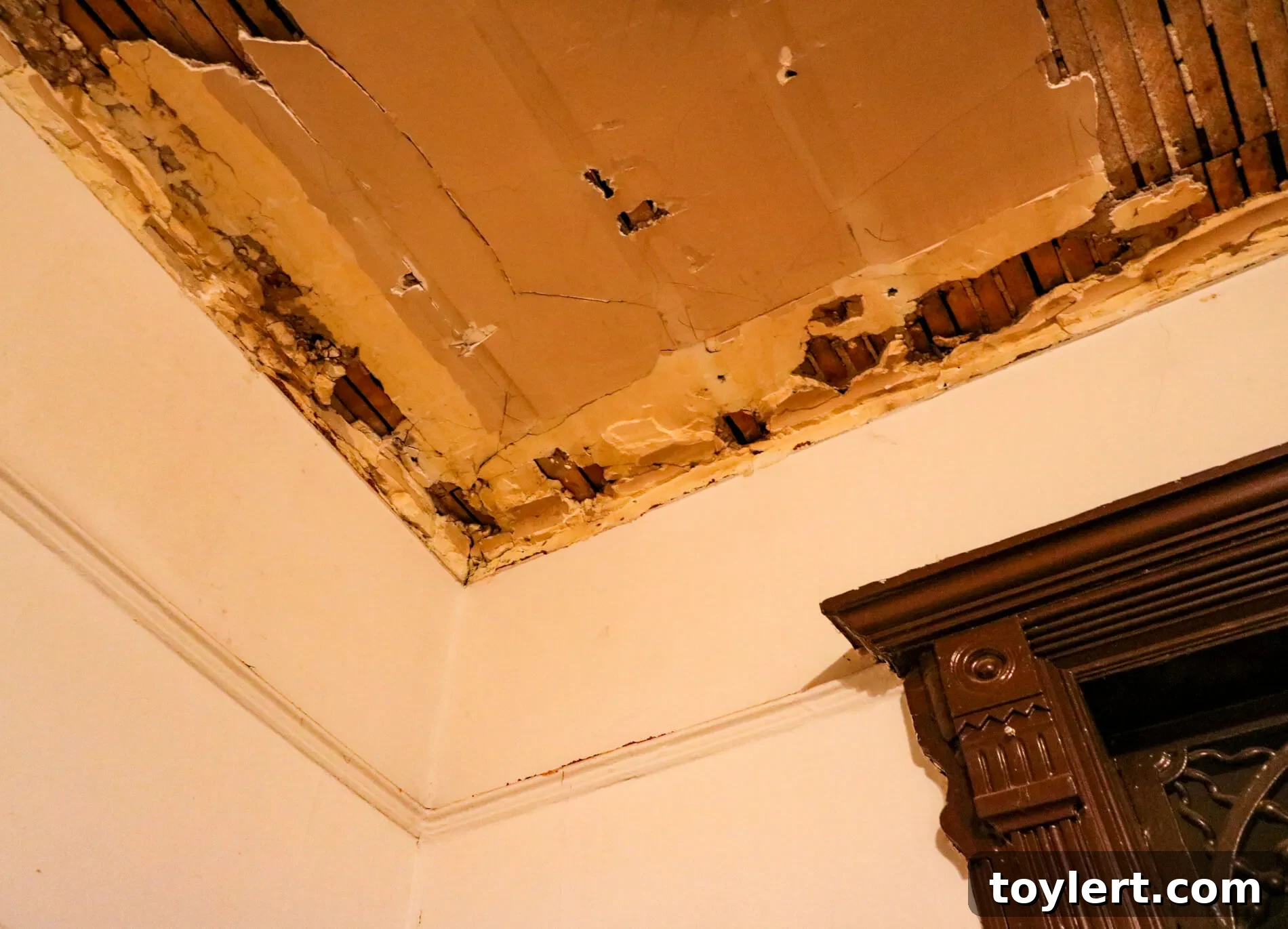
The discovery of extensive water damage within one’s home is a homeowner’s nightmare. This nightmare often intensifies when the source of the problem originates from a neighbor’s property, creating a complex web of property damage, financial strain, and potential neighborly dispute. Such was the recent predicament of a homeowner who, after diligently opening up a party wall to investigate the mysterious and widespread dampness, unveiled the undeniable truth: a neighbor’s leaking pipe was the culprit. This revelation came despite the neighbor’s prior assertions that no plumbing from their side intersected with the shared wall. However, confronted with clear, irrefutable evidence, the neighbor did take the necessary step to fix the leak. Now, the homeowner is left to contend with the significant and costly repairs to ceilings, walls, and trim, grappling with the crucial question of how to effectively pursue cost recovery from the responsible party.
This challenging situation is far more common than many might assume, highlighting the intricate dynamics of shared property lines and communal living. When water invades your living space due to an external factor, particularly from a contiguous property, the path to resolution can seem daunting. Understanding your rights, responsibilities, and the strategic steps to take is paramount in transforming a stressful ordeal into a manageable process of repair and restitution.
The Shocking Discovery: Unmasking the Hidden Leak
The initial phase of any water damage crisis is often marked by uncertainty. Homeowners might notice discolored spots on ceilings, peeling paint, warped baseboards, or a persistent musty odor before the true extent of the damage becomes apparent. In this particular case, the homeowner’s proactive decision to investigate further by opening the party wall was a critical turning point. This bold step moved the situation from speculation to concrete proof. It is a testament to the importance of thorough investigation when facing persistent signs of water ingress, especially when the source is not immediately obvious.
The neighbor’s initial denial, claiming no plumbing within the shared wall, is a common reaction rooted in either genuine ignorance or an instinctive avoidance of responsibility. However, the physical evidence of a visible leak, actively dripping or staining, changes the narrative entirely. Once the source—the neighbor’s leaking pipe—was unequivocally identified, the path for the neighbor to deny culpability significantly narrowed. This clear evidence then prompted the neighbor to address the root cause, an essential first step in preventing further damage.
Assessing the Extent: Understanding Water Damage and Its Costs
Water damage is insidious, often causing far more destruction than meets the eye. The immediate visual signs—stained ceilings, swollen drywall, ruined paintwork—are just the tip of the iceberg. Prolonged moisture can compromise structural integrity, lead to the deterioration of wooden elements, and, most critically, foster the growth of mold and mildew. Mold not only poses significant health risks but also adds another layer of costly remediation to the repair process.
Accurately assessing the repair costs is the next critical step for the homeowner. This involves:
- Professional Inspection: Engaging a reputable water damage restoration company or general contractor to conduct a thorough assessment. They can identify both visible and hidden damage, including moisture trapped within walls or subfloors.
- Detailed Estimates: Obtaining multiple, itemized quotes from licensed and insured contractors for all necessary repairs. These estimates should clearly break down costs for drying, demolition, repair of specific elements (ceilings, walls, trim), potential mold remediation, and any other associated expenses.
- Documentation: Meticulously documenting all damage with high-resolution photographs and videos before any repairs begin. This visual evidence will be crucial for any future discussions or claims.
The cumulative costs associated with such damage can quickly escalate into thousands, or even tens of thousands, of dollars. It’s not merely about patching a hole; it’s about ensuring structural soundness, preventing future issues like mold, and restoring the home to its pre-damage condition. This financial burden is precisely why the homeowner is seeking advice on how to recover these expenses from the neighbor responsible for the leaking pipe.
Strategies for Cost Recovery: Navigating Your Options
Recovering the costs associated with water damage from a neighbor requires a strategic and often multi-faceted approach. Here are the primary avenues to explore:
1. Direct Communication and Negotiation
The first and often most effective step is to engage in polite yet firm communication with your neighbor. Present them with the evidence of the leak, the contractor estimates, and a clear, itemized breakdown of the damages. The goal is to reach an amicable agreement for them to cover the repair costs. Key elements for successful negotiation include:
- Preparedness: Have all your documentation (photos, videos, estimates) organized and ready.
- Clarity: Clearly state what you are requesting and why.
- Empathy: While asserting your rights, acknowledge that this situation is likely stressful for your neighbor as well.
- Written Agreement: If an agreement is reached, put it in writing, signed by both parties, outlining the agreed-upon costs, payment schedule, and scope of repairs.
Sometimes, neighbors are willing to resolve the issue directly to preserve good relations and avoid insurance claims or legal action.
2. Involving Homeowner’s Insurance
Your homeowner’s insurance policy is designed to protect you in situations like these, but how it applies can be nuanced. You typically have two main routes:
- Filing a Claim with Your Own Insurance: You can file a claim with your own homeowner’s insurance policy for the water damage. Your insurer will likely cover the damages, minus your deductible. Critically, many policies include a “subrogation” clause. This means that after paying your claim, your insurance company will then pursue your neighbor’s insurance company (or the neighbor directly) to recover the costs they paid out. This shifts the burden of collection from you to your insurer. While this might affect your premiums, it provides immediate relief and professional handling of the recovery process.
- Filing a Claim Against Your Neighbor’s Liability Insurance: Your neighbor’s homeowner’s insurance policy typically includes liability coverage. If the leak originated from their property and was due to their negligence (e.g., failure to maintain their plumbing, even if they were unaware of the leak initially), their liability coverage might be triggered. You (or your insurer through subrogation) would submit a claim directly to their insurance carrier. This process can be more challenging as you don’t have a direct contractual relationship with their insurer, and they may require a formal finding of your neighbor’s negligence.
Before filing any claim, review your policy carefully and speak with your insurance agent to understand your coverage, deductible, and the potential impact of filing a claim. It’s often advisable to inform your neighbor that you intend to involve insurance, as this might prompt them to engage their own insurer or resolve the matter directly.
3. Legal Avenues: When Direct Negotiation Fails
If direct communication and insurance avenues do not yield a satisfactory resolution, legal action may become necessary. This typically involves:
- Sending a Demand Letter: A formal letter, often drafted by an attorney, outlining the damage, the neighbor’s responsibility, and a demand for payment within a specified timeframe. This demonstrates a serious intent to pursue the matter legally and often prompts a response.
- Mediation: A neutral third party facilitates discussions between you and your neighbor to help you reach a mutually agreeable settlement. Mediation is less adversarial than court and can be a cost-effective way to resolve disputes while preserving neighborly relations.
- Small Claims Court: For damages within certain monetary limits (which vary by state), small claims court offers a relatively informal and inexpensive way to sue your neighbor without needing an attorney. You present your evidence, and a judge makes a ruling.
- Consulting an Attorney: For complex cases, significant damages, or if you encounter strong resistance, retaining a real estate or personal injury attorney specializing in property disputes is advisable. An attorney can guide you through the legal process, represent your interests, and help ensure you receive fair compensation. They can also advise on relevant local and state laws regarding party walls, shared utilities, and liability for property damage.
It is crucial to understand that pursuing legal action can be time-consuming and expensive, and it may irrevocably damage your relationship with your neighbor. Therefore, it is often considered a last resort.
The Power of Documentation: Your Strongest Ally
Regardless of the path you choose, comprehensive documentation is your most powerful tool. From the moment you suspect water damage to the final repair, keep meticulous records:
- Photos and Videos: Capture the damage from multiple angles, showing its extent and location relative to the shared wall. Include “before” and “after” photos of the opened wall and the source of the leak.
- Communication Logs: Keep a detailed log of all interactions with your neighbor (dates, times, names, summaries of conversations). Follow up verbal agreements with written confirmations via email or text.
- Contractor Estimates and Invoices: Maintain all estimates, bids, and final invoices for repairs.
- Correspondence: Save all letters, emails, and other written communications related to the incident.
- Expert Reports: If you hire an inspector or engineer, keep their reports.
This evidence will substantiate your claims, whether you are negotiating directly, filing an insurance claim, or pursuing legal action. The more thorough and organized your documentation, the stronger your position will be.
Preventative Measures and Future Safeguards
While this homeowner is dealing with the aftermath, it’s also worth considering how to mitigate future risks. For properties with shared walls or party walls, proactive steps include:
- Understanding Party Wall Agreements: If you live in a property with a party wall, there might be specific legal agreements or local ordinances governing maintenance and liability. Familiarize yourself with these.
- Regular Inspections: Periodically inspect areas susceptible to water damage, especially around shared walls. Encourage your neighbor to do the same for their plumbing.
- Open Communication: Foster a relationship with your neighbor that allows for open and constructive dialogue about property maintenance and potential issues.
- Early Detection Systems: Consider installing water leak detectors in vulnerable areas of your home.
Conclusion: Seeking a Fair Resolution
The situation of extensive water damage stemming from a neighbor’s leaking pipe is undoubtedly stressful and financially burdensome. The homeowner’s proactive discovery of the leak was a crucial step, and now the focus shifts to recovering the significant repair costs. By systematically approaching the problem—starting with thorough documentation and clear communication, exploring insurance options, and, if necessary, considering legal avenues—homeowners can navigate this challenging terrain. Seeking professional advice from insurance agents, contractors, and potentially legal counsel is highly recommended to ensure a fair and just resolution. Remember, the goal is not just to fix the immediate damage but to restore peace of mind and secure the financial resources needed to make your home whole again.