
The Unseen Crisis: Unmasking NYCHA’s Lead Paint Failures and the Fight for Safe Homes
This comprehensive report expands on a story originally published by THE CITY on November 29, 2021, detailing the ongoing struggle against lead paint hazards in New York City Housing Authority (NYCHA) residences. We delve into the systemic issues, the human cost, and the relentless advocacy of families fighting for a fundamental right: a safe home. Sign up here to get the latest stories from THE CITY delivered to you each morning.
By Greg B. Smith, THE CITY (and expanded for this report)
A Mother’s Courageous Battle Against a Silent Threat
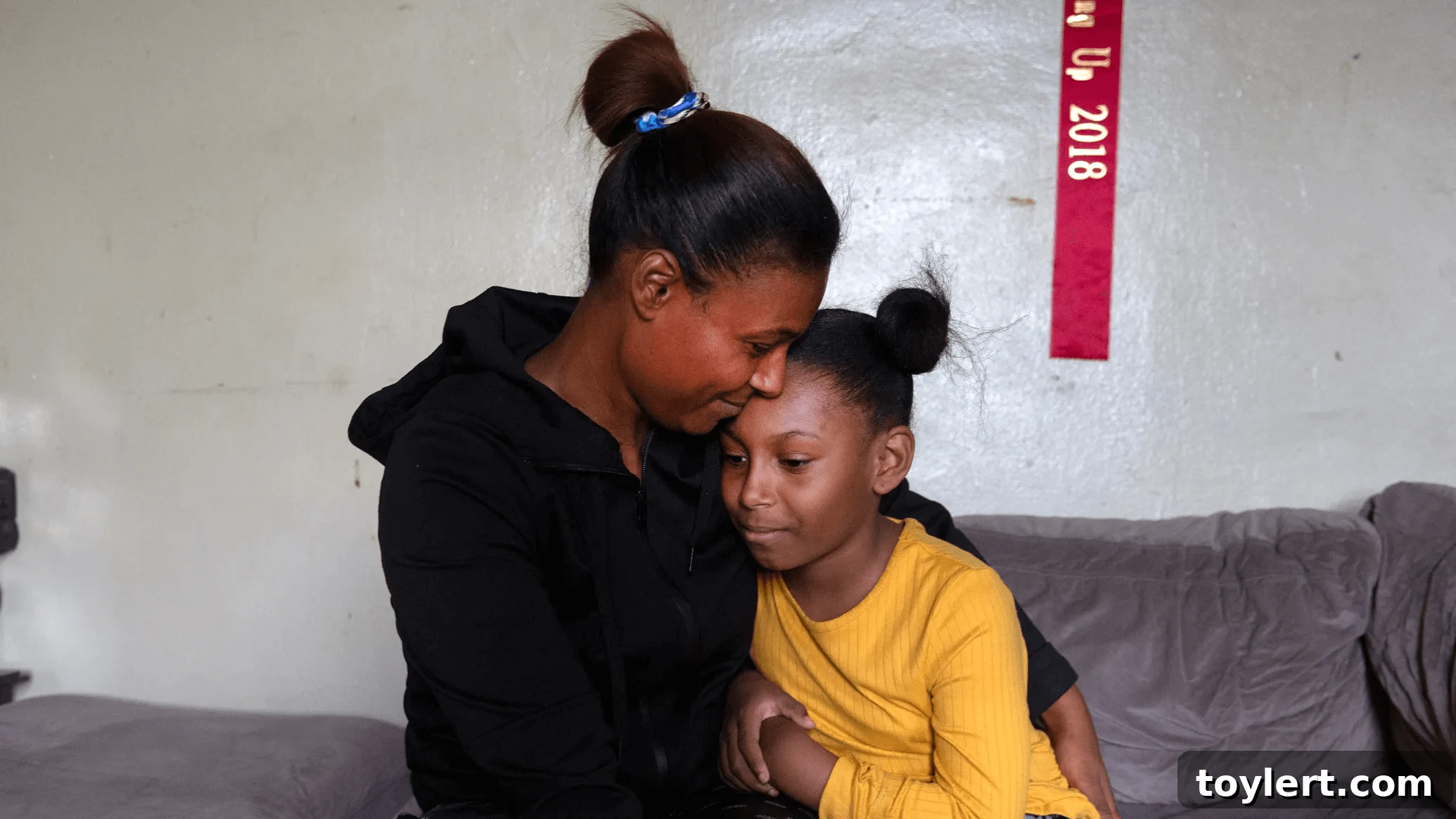
Across the sprawling landscape of New York City, public housing provides a vital refuge for hundreds of thousands of residents. Yet, within the aging walls of many of these essential homes, a silent and insidious threat continues to lurk: lead-based paint. This pervasive danger has, for decades, cast a long shadow over the health and well-being of countless families, particularly their most vulnerable members – children. The story of a mother in Brooklyn’s Tompkins Houses, tirelessly fighting to protect her daughter from the devastating effects of lead poisoning, serves as a poignant microcosm of a much larger, systemic crisis within the New York City Housing Authority (NYCHA).
Her struggle, rooted in the very fabric of her home at 65 Tompkins Avenue in Bed-Stuy, highlights not just the individual anguish caused by lead exposure but also the broader narrative of alleged negligence, bureaucratic hurdles, and the profound impact of government failures on its most vulnerable citizens. This article will explore the depths of NYCHA’s lead paint problem, examining its historical context, the devastating health consequences, the alleged cover-ups, and the unwavering resolve of tenants who refuse to let their voices be silenced.
The Legacy of Lead: A History of Hazard in Public Housing
Lead-based paint was once a common building material, valued for its durability and vibrant pigments. However, its widespread use before 1978, when it was federally banned for residential purposes, left a toxic legacy. Decades later, as these paints chip, peel, or are disturbed during renovations, they release microscopic lead dust, which can be easily inhaled or ingested. Children, especially those under the age of six, are particularly susceptible to lead poisoning due to their developing nervous systems and tendency to put hands and objects into their mouths.
NYCHA, the largest public housing authority in North America, manages an immense portfolio of properties, many of which were built long before the lead paint ban. This means a significant portion of its housing stock inherently contains lead paint. The authority’s legal and ethical responsibility to identify, manage, and safely abate this hazard is clear, yet its track record has been riddled with controversy and repeated failures. Federal regulations, state laws, and even consent decrees have mandated specific protocols for lead paint management, compelling NYCHA to conduct inspections, notify residents, and undertake remediation efforts. Despite these mandates, stories like that from Tompkins Houses continue to emerge, exposing a persistent gap between policy and practice.
Tompkins Houses: A Battleground for Health and Justice
The Tompkins Houses development in Bed-Stuy, Brooklyn, has become a focal point in the ongoing lead paint saga. Residents here, like many across NYCHA’s portfolio, have faced the daily anxiety of living in environments where the very walls could be slowly poisoning their children. The mother featured in the original report embodies this terrifying reality. Her daughter, a young child, suffered elevated lead levels, a diagnosis that immediately points to environmental exposure – most likely from the paint and dust within their own home. For any parent, such news is devastating, transforming their sanctuary into a source of profound fear and anger.
Her fight began not with a single complaint but often with a series of ignored pleas, delayed responses, and ultimately, a bureaucratic maze designed to wear down even the most determined individual. The process of reporting a lead hazard, undergoing testing, advocating for immediate repairs, and then ensuring those repairs are done correctly and safely, can be an overwhelming and emotionally draining ordeal. In many cases, families are forced to live in temporary accommodations, disrupting their lives, or worse, remain in unsafe units while waiting for effective intervention. This individual story from Tompkins Houses is not isolated; it resonates with thousands of other NYCHA tenants across the five boroughs who share similar harrowing experiences, underscoring a pervasive and deeply troubling pattern.
NYCHA’s Alleged Cover-Up and Systemic Failures
The phrase “NYCHA lead paint lies” used in the original reporting points to a deeply disturbing aspect of this crisis: allegations of a deliberate effort to conceal the true scope of the problem. Investigations over the years, including those by federal prosecutors and independent monitors, have revealed instances where NYCHA allegedly failed to conduct required inspections, falsely certified compliance with lead safety laws, and deliberately withheld critical information from tenants and regulatory bodies. This alleged deception had severe consequences, allowing children to continue living in hazardous conditions and delaying essential remediation work.
The repercussions of such alleged cover-ups are far-reaching. They erode public trust, undermine the very purpose of public housing, and directly endanger human lives. The systemic nature of these failures suggests deeper issues within NYCHA’s management, including inadequate funding, a lack of accountability, insufficient training for staff, and a culture that may have prioritized expediency over safety. Addressing these structural deficiencies is crucial, not just for lead paint abatement but for the overall revitalization and responsible stewardship of NYC’s public housing infrastructure. The appointment of a federal monitor in 2018 was a direct result of these long-standing failures, tasked with overseeing NYCHA’s compliance with lead safety and other critical standards, yet progress has often been slow and met with continued challenges.
The Devastating Health Impacts of Lead Poisoning
The gravity of the lead paint crisis cannot be overstated, primarily because of the severe and often irreversible health consequences of lead poisoning, particularly in young children. Lead is a neurotoxin, meaning it can damage the brain and nervous system. Even low levels of lead exposure can lead to a range of developmental and behavioral problems, including:
- Cognitive Impairment: Reduced IQ, learning difficulties, and academic struggles.
- Behavioral Issues: Hyperactivity, impulsivity, aggression, and attention deficit disorders.
- Physical Health Problems: Slowed growth, hearing problems, kidney damage, and anemia.
- Long-term Effects: In severe cases, lead poisoning can cause seizures, coma, and even death. The developmental delays and neurological damage suffered in childhood can persist throughout an individual’s life, affecting their educational attainment, employment prospects, and overall quality of life.
For parents like the mother in Tompkins Houses, securing a safe environment for their children is paramount. When the very home intended to protect them becomes a source of such profound harm, it represents a monumental breach of trust and a fundamental injustice. The cost to society, in terms of healthcare, special education services, and lost potential, is immeasurable.
Advocacy, Legal Battles, and the Path to Remediation
The fight for lead-safe housing in NYCHA developments is not a passive one. It is driven by the tireless efforts of tenant advocates, community organizers, legal aid groups, and investigative journalists. These stakeholders play a crucial role in empowering residents, documenting violations, and holding NYCHA and city officials accountable. Legal battles have been instrumental in forcing NYCHA to acknowledge the problem, comply with regulations, and allocate resources for remediation. Class-action lawsuits and consent decrees have provided frameworks for addressing lead hazards, setting deadlines for inspections and abatement, and establishing mechanisms for external oversight.
However, the sheer scale of the problem and the complexity of managing thousands of aging buildings mean that comprehensive remediation is a monumental undertaking. It requires consistent funding, skilled labor, transparent oversight, and a genuine commitment from all levels of government. True remediation involves not just painting over hazardous surfaces but safely removing or encapsulating lead paint, conducting thorough post-abatement cleaning, and implementing ongoing maintenance protocols to prevent future exposure. For residents, effective advocacy also means ensuring that temporary relocation during abatement is handled sensitively, minimizing disruption and prioritizing their well-being.
Beyond Tompkins Houses: A Citywide Challenge
While the story of the mother in Tompkins Houses brings the crisis into sharp focus, it is essential to recognize that this is a citywide challenge affecting thousands of families across NYCHA’s more than 300 developments. The structural issues that allowed lead paint to remain a threat in Bed-Stuy are likely present in other boroughs as well. The problem underscores the urgent need for a comprehensive, long-term strategy for capital repairs and health hazard abatement across the entire NYCHA portfolio. This strategy must include:
- Increased and Consistent Funding: Billions of dollars are needed to address the backlog of repairs, including lead paint remediation. Federal, state, and city investments are crucial.
- Transparent Data and Reporting: Accurate and publicly accessible data on lead inspections, abatement work, and elevated blood lead levels in children is essential for accountability and effective resource allocation.
- Resident Engagement: Empowering tenants with knowledge about lead hazards and involving them in the decision-making process for remediation efforts can lead to more effective and sustainable solutions.
- Strict Enforcement and Accountability: Holding officials and contractors accountable for failures to comply with lead safety regulations is paramount to ensure trust and prevent future negligence.
- Preventative Maintenance: Implementing robust preventative maintenance programs to keep paint surfaces intact and minimize the risk of lead dust generation.
A Call for Justice and Lasting Change
The fight for lead-safe homes in NYCHA is fundamentally a fight for environmental justice and the fundamental right to safe housing. No child should be subjected to the lifelong consequences of lead poisoning simply because they live in public housing. The dedication of mothers like the one in Tompkins Houses serves as a powerful reminder of the human cost of systemic neglect and the profound importance of continuous advocacy. It is a rallying cry for all stakeholders – government officials, public health experts, housing advocates, and the community at large – to unite in demanding and implementing lasting solutions. Only through sustained effort, unwavering transparency, and a genuine commitment to the health and safety of every resident can New York City finally eradicate the toxic legacy of lead paint from its public housing and ensure that all families can truly call their homes a safe haven.
The story from Tompkins Houses is a testament to resilience in the face of adversity, highlighting that while the challenges are immense, the will to fight for a healthier, safer future for our children remains stronger. It’s a call to action to move beyond mere promises and deliver real, tangible change that protects the most vulnerable among us.