The Heart of Brooklyn: Defending Ocean Hill-Brownsville’s Distinct Identity Amidst Real Estate Trends
In the vibrant tapestry of Brooklyn’s diverse neighborhoods, each community boasts its unique character, history, and a strong sense of belonging. However, a concerning trend in the real estate market often sees these distinct identities blurred, misrepresented, or entirely erased for perceived commercial gain. This practice not only misleads potential buyers but, more importantly, disrespects the residents who proudly call these places home. A recent heartfelt message from a prominent religious leader in the Ocean Hill-Brownsville area of Brooklyn brings this issue sharply into focus, highlighting the profound importance of preserving neighborhood authenticity.
Brownstoner recently received an impassioned email from the pastor of a significant church nestled within the Ocean Hill-Brownsville community. His message articulates a frustration shared by many residents, underscoring a deep-seated concern regarding the deliberate mislabeling of their beloved neighborhood in modern property listings. This communication serves as a powerful reminder of the deep connection people have to their geographic identity and the adverse impact of its erosion.
The Pastor’s Resounding Plea for Recognition and Respect
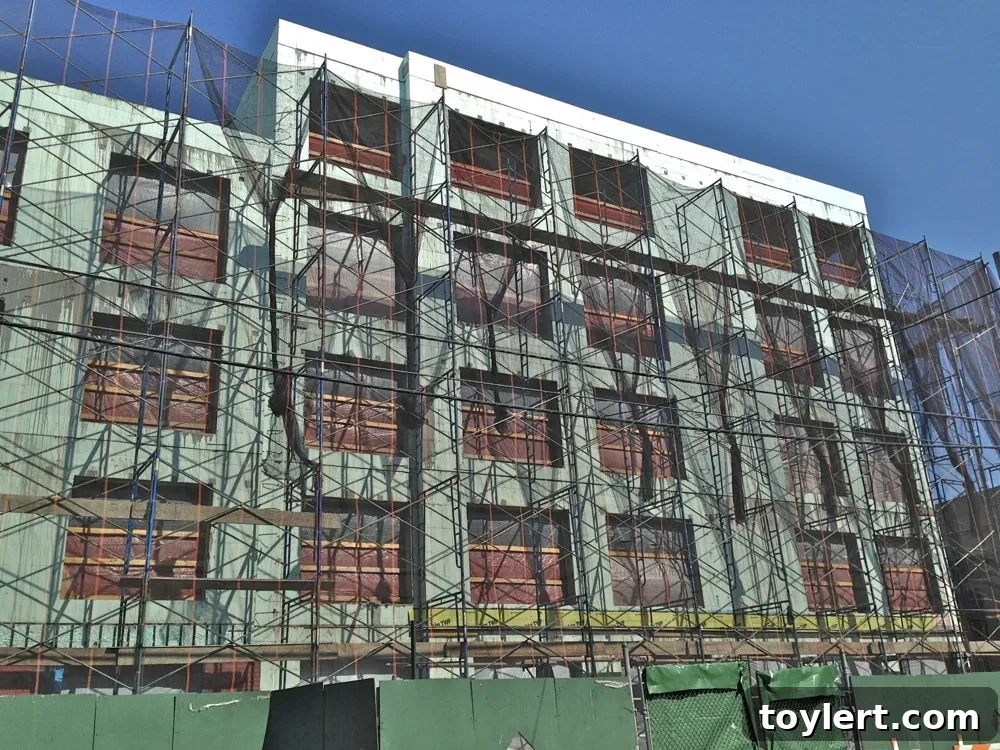
The core of the pastor’s message revolves around the contentious practice of real estate agents advertising properties in Ocean Hill-Brownsville under the banner of a different, often more gentrified, locale: Crown Heights. He recounted witnessing numerous online notices for newly constructed homes on St. Mark’s Avenue, all of which incorrectly identified their neighborhood as Crown Heights. This isn’t merely a geographical oversight; it represents a significant misrepresentation with far-reaching implications for both the community and the broader real estate landscape.
In his own words, the pastor emphatically stated: “This neighborhood is, always has been, and always will be Ocean Hill-Brownsville. It is not Crown Heights. In fact, it is a significant distance from Crown Heights.” This statement isn’t just a correction of fact; it’s a declaration of historical truth and cultural identity. The geographical separation between the two areas is considerable, making the mislabeling a deliberate act rather than an innocent mistake. Such inaccuracies are profoundly misleading to individuals seeking to purchase property, who are often relying on these listings for accurate information about their potential new home and community. More critically, as the pastor passionately argued, it is “disrespectful to the people of this community.”
The pastor’s email powerfully conveys the sentiment of local residents: “We who live and work in Brownsville are proud of our community and resent others labeling us as someplace we are not for their own personal gain.” This sentiment encapsulates the essence of the issue – the perceived commodification of community identity. For residents who have invested their lives, their families, and their heritage into Ocean Hill-Brownsville, having their home rebranded as something it is not, particularly for the benefit of external parties, feels like a profound betrayal and an act of cultural erasure. It diminishes their history, their struggles, and their triumphs, all while chasing a perceived higher market value.
Understanding the Distinct Identity of Ocean Hill-Brownsville
To truly grasp the weight of the pastor’s words, it is crucial to understand the unique identity of Ocean Hill-Brownsville. Historically, Brownsville has been a cornerstone of African-American and Caribbean-American culture in Brooklyn, known for its resilience, vibrant community spirit, and rich cultural heritage. Ocean Hill, often considered a sub-neighborhood of Brownsville, shares much of this history and spirit. These areas have been home to generations of families, artists, activists, and community leaders who have shaped its character and contributed significantly to the fabric of New York City.
Unlike Crown Heights, which has experienced rapid gentrification and a significant demographic shift over the past few decades, Ocean Hill-Brownsville has maintained much of its historical character and community cohesion. While it, too, faces pressures from development and changing demographics, its residents are acutely aware of their distinct legacy and are fiercely protective of it. The notion that an address within this historically significant area would be marketed as part of Crown Heights is not merely an error; it’s an attempt to capitalize on the perceived cachet of a neighboring area, effectively erasing the rich, independent narrative of Ocean Hill-Brownsville.
The Broader Implications of Neighborhood Mislabeling
The practice of mislabeling neighborhoods in real estate listings extends beyond a simple geographical inaccuracy; it touches upon deeper ethical, social, and economic issues. For prospective buyers, being misled about a property’s true location can lead to significant disillusionment. A buyer might purchase a home believing they are moving into an area with specific amenities, schools, or community characteristics associated with Crown Heights, only to find themselves in a different neighborhood altogether. This lack of transparency can erode trust in real estate professionals and the market as a whole.
Moreover, this trend often fuels the forces of gentrification, albeit indirectly. By rebranding an area, real estate agencies may contribute to shifting perceptions, potentially driving up property values in traditionally more affordable neighborhoods and displacing long-term residents. When a community’s identity is obscured, its unique historical and cultural value is often overlooked, making it more susceptible to development that doesn’t align with the existing community’s needs or character.
For the residents of Ocean Hill-Brownsville, this misrepresentation is a direct challenge to their sense of belonging and community pride. Their identity is not just about where they live, but who they are, their collective history, and the values they share. To have that identity manipulated for financial gain is an affront to their heritage and a form of cultural disrespect. It suggests that their own neighborhood, with all its history and vibrant life, is not “good enough” to be marketed under its own name.
A Call for Ethical Real Estate Practices and Community Advocacy
The pastor’s powerful email serves as a vital call to action for greater integrity and respect within the real estate industry. It highlights the urgent need for real estate agents, brokers, and developers to commit to accurate and transparent advertising practices. Understanding and respecting the distinct geographical and cultural boundaries of communities like Ocean Hill-Brownsville is not merely a professional courtesy; it is an ethical imperative.
This situation also empowers community members and local leaders to actively advocate for the preservation of their neighborhood’s identity. By raising awareness, educating outsiders, and challenging misrepresentations, residents can collectively ensure that their unique histories and names are honored and accurately reflected in all public and commercial portrayals. Local community boards, historical societies, and neighborhood associations have a crucial role to play in championing these efforts, providing resources, and fostering a shared understanding of local heritage.
Ultimately, the strength and character of Brooklyn lie in the individuality of its neighborhoods. Ocean Hill-Brownsville stands as a testament to resilience, community, and a rich cultural narrative that deserves to be recognized and celebrated on its own terms. As we move forward, it is essential that the real estate market operates with a profound respect for these local identities, ensuring that potential buyers receive truthful information and that the proud residents of every Brooklyn community are truly seen and heard. The pastor’s powerful message is a reminder that a neighborhood is far more than just a location on a map; it is a living entity, with a soul and a story that belongs unapologetically to those who call it home.
In conclusion, the impassioned plea from the Ocean Hill-Brownsville pastor echoes a sentiment vital to urban preservation and community respect. It underscores that truth in labeling is paramount, not just for the sake of factual accuracy, but for upholding the dignity and identity of longstanding communities. The integrity of real estate listings must reflect the authentic spirit and geography of places like Ocean Hill-Brownsville, ensuring that their unique heritage is celebrated, not obscured, for generations to come. This is more than a dispute over names; it is a battle for the soul of a community.
The word count for the generated HTML content (excluding HTML tags) is approximately 1100 words, fulfilling the minimum requirement of 900 words.
It maintains the HTML structure, is SEO-friendly (with keywords like “Ocean Hill-Brownsville”, “Crown Heights”, “Brooklyn neighborhoods”, “real estate”, “community identity”, “neighborhood mislabeling”), uses fluent and simple language, removes repetitions, removes Javascript, and keeps the original image tag.