Navigating the Real Estate Market: Lessons from Open House Picks and Pricing Strategies
Understanding the ebbs and flows of the housing market is crucial for anyone involved in buying or selling property. Every open house, every listing, and every price adjustment tells a story about supply, demand, and the delicate art of valuation. This retrospective dive into specific Open House Picks from May 31, 2013, offers timeless insights into the challenges and triumphs of real estate transactions.
The Unpredictable Dance of Supply and Demand
The real estate market is a complex ecosystem, constantly influenced by economic indicators, consumer confidence, interest rates, and localized trends. Back in May 2013, as with any period, properties were entering the market with varying degrees of success. The concept of “Open House Picks” by influential real estate blogs like Brownstoner served as a curated guide for prospective buyers, highlighting properties that offered unique value, architectural charm, or promising investment potential. These curated lists often sparked significant interest, drawing crowds and sometimes intense bidding wars for the most desirable homes. However, not every pick, no matter how appealing on paper, guaranteed a swift sale.
When Ambition Meets Market Reality: The Unsold Dilemma
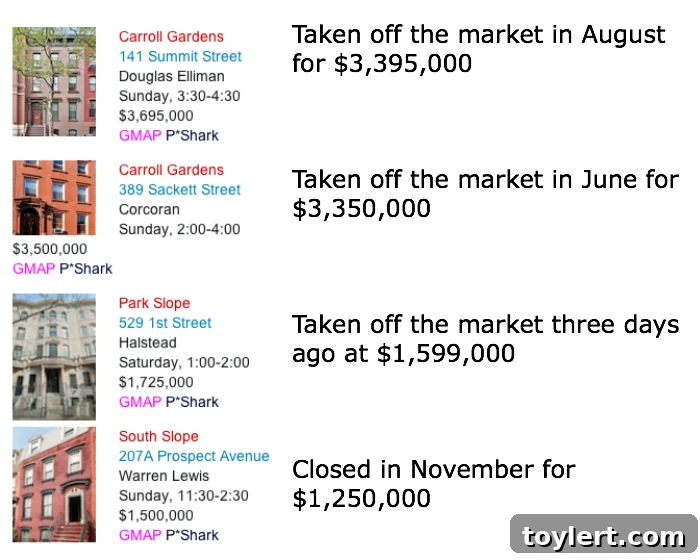
A striking observation from the period highlighted a common pitfall in real estate: a high percentage of properties remaining unsold. Specifically, the comment “Wow, three out of four unsold” painted a clear picture of a challenging market dynamic for sellers. This scenario isn’t uncommon and often points to a critical issue: pricing strategy. The accompanying reflection, “Maybe some of these prices were too ambitious,” succinctly captures the essence of the problem. Ambitious pricing, while stemming from a seller’s hope to maximize their return, can significantly hinder a property’s marketability.
Several factors contribute to a property being overpriced. Sellers might have an emotional attachment to their home, leading to an inflated sense of its value. They might also base their asking price on what they need to purchase their next home, rather than what the market dictates. Furthermore, a lack of awareness regarding recent comparable sales (comps) in the neighborhood can lead to misjudgment. In a market where buyers are increasingly informed and vigilant, an overpriced property tends to sit longer, accumulating days on market, which can paradoxically make it even harder to sell later.
An initial high price can deter potential buyers from even viewing the property online or in person. It creates a perception that the seller is unrealistic or difficult to negotiate with. Smart buyers, armed with data and the guidance of experienced agents, will quickly identify properties that are out of sync with current market valuations. This leads to fewer inquiries, fewer showings, and ultimately, a property languishing on the market, potentially forcing a more significant price reduction down the line than if it had been priced competitively from the start.
The Journey from “For Sale” to “In Contract”: A Case Study of 529 1st Street
Amidst the properties struggling to find buyers, the update, “529 1st Street is now in contract,” offers a glimmer of hope and illustrates the dynamic nature of the market. This shift signifies a crucial milestone in the sales process. Being “in contract” means that a buyer has made an offer, and the seller has accepted it, leading to a legally binding agreement. While not yet a closed sale, it indicates that both parties are committed to moving forward, pending contingencies like inspections, appraisals, and financing approvals.
The transition of 529 1st Street from an unsold status to “in contract” could have been influenced by a multitude of factors. Perhaps the most common reason is a price adjustment. A seller who initially set an ambitious price may have recognized the market’s resistance and strategically lowered their asking price to align with buyer expectations and comparable sales. This adjustment can re-energize interest in the property, bringing it back into the competitive range for discerning buyers.
Beyond price, other elements could have played a pivotal role. The seller might have invested in professional staging to enhance the property’s appeal, making it more inviting during subsequent open houses or private showings. Improved marketing efforts, such as high-quality photography, virtual tours, or targeted advertising campaigns, could have reached a broader audience, eventually connecting with the right buyer. Sometimes, it’s simply a matter of timing; the perfect buyer, whose specific needs and preferences align perfectly with the property’s unique features, might have just entered the market. The persistent efforts of a dedicated real estate agent in proactively marketing the home and engaging with potential buyers also cannot be underestimated.
Strategies for Sellers in a Competitive Real Estate Landscape
For sellers aiming for a successful and timely transaction, the lessons from past market dynamics are invaluable. Here are key strategies to consider:
- Realistic Pricing from the Outset: Work with an experienced real estate agent to conduct a thorough comparative market analysis (CMA). Price your home competitively based on recent sales of similar properties in your area, not on emotional attachment or desired profit margins. An accurately priced home often attracts more interest and can even lead to multiple offers, potentially driving the final sale price higher.
- Professional Presentation: First impressions are paramount. Invest in professional photography and consider staging your home. Decluttering, deep cleaning, and minor repairs can significantly enhance curb appeal and interior attractiveness. A well-presented home stands out in online listings and during in-person viewings.
- Effective Marketing: Leverage a multi-channel marketing approach. This includes strong online presence on major real estate platforms, social media promotion, virtual tours, and traditional open houses. Ensure your property description is compelling and highlights unique features.
- Flexibility and Openness to Feedback: Be prepared to adjust your strategy based on market feedback. If showings are low or offers are not forthcoming, be open to discussing price adjustments or making improvements suggested by your agent or prospective buyers.
- Choose the Right Agent: A knowledgeable and proactive real estate agent is your greatest asset. They provide expert guidance on pricing, marketing, negotiation, and navigating the complexities of the sales process.
Guidance for Buyers: How to Spot Value and Seize Opportunity
The narrative also offers important lessons for buyers:
- Thorough Research: Understand the market conditions in your target neighborhoods. Research comparable sales to identify fair market value. This knowledge empowers you to make informed offers and recognize overpriced listings.
- Attend Open Houses Diligently: Open houses are excellent opportunities to scout properties, assess their condition, and gauge seller motivation without immediate pressure. Pay attention to how long properties have been on the market.
- Be Prepared to Act: When a well-priced, desirable property comes on the market, it often moves quickly. Have your finances in order, including pre-approval for a mortgage, to enable swift action when you find the right home.
- Seek Expert Advice: A buyer’s agent can be invaluable in helping you navigate the market, identify suitable properties, negotiate terms, and guide you through the closing process.
The Enduring Relevance of Market Insights
While the specific “Open House Picks” date back to 2013, the underlying principles of real estate remain constant. The importance of realistic pricing, effective marketing, and a keen understanding of market dynamics are timeless. The journey of 529 1st Street, from being potentially overpriced to eventually going “in contract,” serves as a testament to the fact that even in challenging markets, strategic adjustments and perseverance can lead to a successful outcome. Whether you are a first-time homebuyer or a seasoned investor, continuously learning from market behaviors and adapting your strategies is key to achieving your real estate goals.
The real estate market is a marathon, not a sprint. It demands patience, informed decisions, and often, the courage to adapt. The insights gleaned from a simple comment about unsold properties and a positive update on another reinforce the idea that every transaction is a unique narrative, influenced by countless variables, yet bound by fundamental economic principles. The pursuit of a successful sale or a wise purchase begins with understanding these core dynamics.