Brooklyn: Unveiling Urban Stories, One Building at a Time
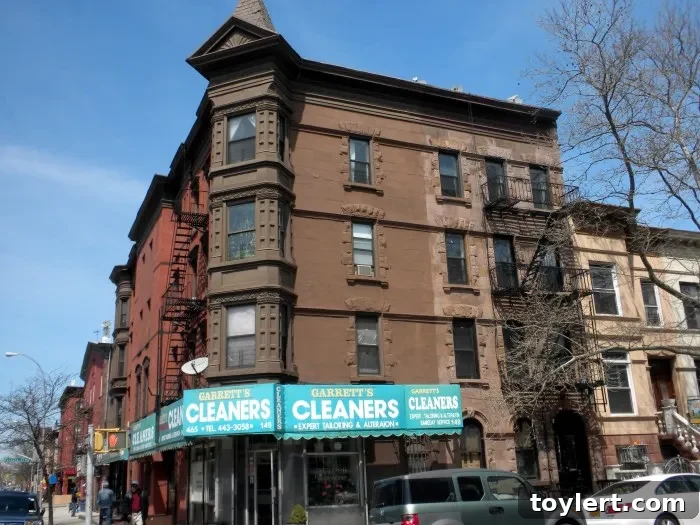
Property Focus: Iconic Flats Building with Ground-Floor Storefronts
Brooklyn, a borough synonymous with vibrant culture, diverse communities, and an unparalleled architectural heritage, tells its story through its streets and, most intimately, through its buildings. Each structure, from the grandest brownstone to the humblest pre-war tenement, holds a piece of history, a testament to the borough’s relentless evolution. In our ongoing exploration of Brooklyn’s architectural tapestry, we turn our attention to a quintessential example of urban living and commerce: the distinctive flats building with active storefronts located at 469 Marcus Garvey Boulevard. This building is not merely a collection of bricks and mortar; it is a living monument to the city’s past, present, and future, embodying the very spirit of its Bedford-Stuyvesant neighborhood.
469 Marcus Garvey Boulevard: A Glimpse into Bed-Stuy’s Heart
Nestled within the historic and culturally rich enclave of Bedford-Stuyvesant, 469 Marcus Garvey Boulevard stands as a prime example of the mixed-use architecture that has long defined Brooklyn’s residential and commercial landscape. This building, like many of its contemporaries in the area, brilliantly combines residential living on its upper floors with bustling commercial activity at street level, fostering a dynamic urban environment where daily life and local enterprise coalesce seamlessly. Its presence on Marcus Garvey Boulevard is particularly significant, as this thoroughfare itself carries a deep historical resonance within the community, having been renamed in honor of the influential pan-Africanist leader Marcus Garvey, symbolizing a profound connection to African American heritage and civil rights movements.
The building’s design speaks volumes about the turn-of-the-century aesthetic that shaped much of Brooklyn. Typically constructed with durable brick, these structures often feature intricate details that reflect the craftsmanship of their era. At 469 Marcus Garvey Boulevard, one can observe the characteristic solid construction, well-proportioned windows, and sturdy facade that define so many of Bed-Stuy’s cherished architectural gems. The ground-floor storefronts, with their large display windows and inviting entrances, are designed to engage with passersby, inviting them into local businesses that serve the immediate community. These retail spaces have historically housed an array of establishments, from independent groceries and pharmacies to local bakeries and dry cleaners, all contributing to the self-sufficient and close-knit fabric of the neighborhood.
Architectural Significance and Urban Design Principles
The flats building with storefronts is more than just a functional structure; it represents a foundational principle of smart urban design: density with livability. By layering residential units above commercial spaces, these buildings maximize land use while creating vibrant streetscapes. Residents benefit from immediate access to essential services and local amenities, fostering a sense of community and reducing the need for extensive travel. For the neighborhood, these mixed-use buildings create pedestrian-friendly environments, encouraging foot traffic and social interaction, which are crucial for a thriving urban core.
The architectural style of 469 Marcus Garvey Boulevard likely draws from common vernacular styles popular in Brooklyn during its period of rapid development in the late 19th and early 20th centuries. Elements of Romanesque Revival, Queen Anne, or simply utilitarian yet elegant brickwork with classical detailing might be observed. The choice of brick as a primary building material was both practical and aesthetic: durable, fire-resistant, and readily available, it also offered a versatile medium for decorative patterns and cornices that added character to each building. The fenestration – the arrangement of windows – is often rhythmic and consistent, providing ample light and ventilation to the residential units, a critical feature for urban dwellings. The ground-floor retail spaces, in contrast, often feature larger, more expansive windows designed for merchandise display and to draw natural light into the commercial interiors.
The Evolution of Marcus Garvey Boulevard and Bed-Stuy
To truly appreciate 469 Marcus Garvey Boulevard, one must understand the context of its location. Marcus Garvey Boulevard, formerly known as Throop Avenue, underwent a significant renaming in 1987, a powerful statement reflecting the community’s pride and the enduring legacy of Marcus Garvey. This change was part of a broader movement to honor historical figures who played pivotal roles in African American empowerment and civil rights. The street today stands as a vibrant corridor, lined with a mix of historic residential buildings, churches, community centers, and local businesses, all contributing to Bed-Stuy’s distinctive character.
Bedford-Stuyvesant itself boasts a storied past, evolving from a rural farming community into a densely populated urban center. Post-Civil War, it became a desirable residential area for affluent families, leading to the construction of its famous brownstones and ornate mansions. In the 20th century, particularly during the Great Migration, Bed-Stuy became a cultural epicenter for African American life, music, and activism. While the neighborhood has experienced periods of both decline and revitalization, its architectural integrity and strong community bonds have consistently endured. Buildings like 469 Marcus Garvey Boulevard have remained steadfast through these changes, adapting to new needs while retaining their original charm and functionality.
Modern Relevance and Community Impact
Today, buildings like 469 Marcus Garvey Boulevard continue to play a vital role in the contemporary Bed-Stuy landscape. They are central to the neighborhood’s ongoing revitalization, attracting new residents and businesses while respecting the area’s rich history. The mixed-use model remains highly sought after in urban planning, as it promotes sustainability by reducing commuting and fostering local economies. These buildings represent an efficient and human-centric approach to city living, where work, home, and leisure are harmoniously integrated.
The commercial spaces within these buildings often serve as incubators for small businesses, providing essential services and unique offerings that contribute to the neighborhood’s local character. The residential units above provide diverse housing options, from cozy studio apartments to multi-bedroom flats, accommodating a wide range of residents. Maintaining and preserving these historic structures is paramount, ensuring that future generations can appreciate their architectural beauty and historical significance. Renovation efforts often focus on modernizing interiors while meticulously restoring exteriors, thereby blending contemporary comfort with historical authenticity.
The story of 469 Marcus Garvey Boulevard is, in essence, the story of Brooklyn itself: resilient, adaptable, and perpetually evolving. It speaks to the value of preserving architectural heritage, the importance of mixed-use development, and the enduring power of community. As we continue to explore Brooklyn, one building at a time, we uncover not just structures, but narratives – narratives of people, places, and the relentless pulse of one of the world’s most dynamic cities. This building stands as a proud sentinel, guarding the street’s legacy while actively participating in its vibrant present and promising future, a beacon of classic Brooklyn architecture and urban vitality.