The Alarming Trend: Landlords Evicting Paying Tenants for Lucrative Homeless Shelter Contracts in NYC
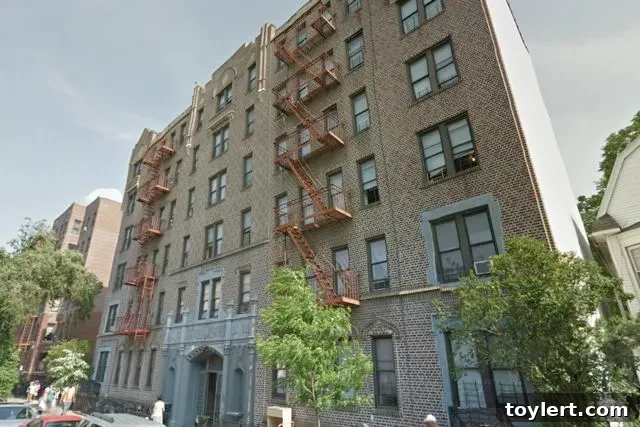
New York City’s housing market is a complex ecosystem, often characterized by soaring rents and fierce competition. However, beneath the surface of this bustling environment, a disturbing trend has emerged, highlighting the profound ethical and economic dilemmas within the city’s response to its escalating homelessness crisis. A growing number of landlords are reportedly engaging in controversial practices, actively driving out long-term, rent-paying tenants to convert their properties into temporary shelters for the homeless, a venture that promises significantly higher returns from city contracts. This strategy, while financially attractive to property owners, exacerbates housing insecurity for vulnerable residents and raises serious questions about the city’s approach to providing shelter.
The Flatbush Revelation: A Case Study in Neglect and Financial Incentive
The building at 60 Clarkson Avenue in Flatbush, Brooklyn, serves as a stark illustration of this contentious practice. Reports from outlets like WNYC have shed light on the owner’s systematic efforts to displace existing tenants, not for a typical condominium conversion or new development project, but for a more lucrative arrangement: housing homeless families under city contracts. The conditions at 60 Clarkson Avenue, as documented, are appalling. The building has amassed an alarming 215 housing code violations, painting a grim picture of deliberate neglect. These violations range from severe sanitation issues to fundamental structural and maintenance failures, rendering the living environment unsafe and unsanitary for its occupants.
The strategy appears to be one of “constructive eviction” through neglect. By allowing the building to deteriorate into such a deplorable state, the landlord effectively creates an unbearable living situation, compelling tenants to vacate their homes. Indeed, the majority of the building’s previous tenants have already been forced out. For the few resilient renters who have refused to leave, the daily reality is a battle against squalor. Imagine sticky traps in the kitchen teeming with dead cockroaches, insects infiltrating freezer compartments, and the pervasive stench of urine in elevator shafts. Trash rooms overflow with garbage, turning common areas into breeding grounds for pests and disease. One such tenant, clinging to her apartment amidst these dire conditions, pays a modest $700 per month in rent.
The financial disparity at play here is staggering and exposes the core of the problem. While a long-term tenant pays $700 monthly, the city is prepared to pay approximately $3,000 per month for each unit occupied by a homeless family. In cases of Single Room Occupancy (SRO) units, this figure can reach $3,000 per room. While a portion of this substantial fee is allocated to cover essential services like counseling and security, the remaining sum represents a significantly higher profit margin for landlords compared to traditional rental agreements. This “skewed math” creates a powerful, perverse incentive for property owners to prioritize short-term, high-yield contracts with the city over stable, long-term tenancy, even if it means sacrificing the well-being of their current residents and the structural integrity of their buildings.
NYC’s Homelessness Crisis and the “Right to Shelter” Mandate
To understand why the city finds itself in a position to pay such exorbitant rates, one must look at the broader context of New York City’s homelessness crisis and its unique legal obligations. New York is the only major city in the United States with a legal “right to shelter” mandate, stemming from a 1979 consent decree (Callahan v. Carey). This court order obligates the city to provide shelter to anyone who requests it, regardless of their circumstances. This crucial mandate, while a lifeline for thousands, places immense pressure on city resources, especially as the number of individuals and families seeking shelter has surged dramatically.
The increase in homelessness since 2011 is particularly pronounced. This spike coincided with significant policy changes, specifically the cessation of state and city funding for vital programs designed to help homeless individuals transition into permanent housing. When these preventative and supportive programs were cut, the shelter system became the primary, and often only, recourse for those facing housing instability. The combination of an unwavering legal mandate and a diminished capacity for long-term housing solutions has forced the city into a reactive, crisis-management mode, often leading to costly emergency measures, such as leasing entire buildings or individual units from private landlords at inflated prices.
This situation creates a challenging dynamic. The city is compelled to find housing, and landlords, seeing an opportunity, are leveraging this demand. While the city’s intentions are to fulfill its legal and moral obligations to the homeless, the current approach inadvertently fuels a market where neglect and displacement can be financially rewarded. The urgent need for shelter means that the city often has limited bargaining power and fewer alternatives than it would ideally prefer, making it susceptible to these high-cost arrangements.
Beyond Flatbush: A Widespread Concern
The situation at 60 Clarkson Avenue is far from an isolated incident. The same “skewed math” and controversial efforts have been reported in other parts of the city, sparking community outrage and debates. For instance, the proposed conversion of a ten-unit building at 165 West 9th Street in Carroll Gardens into a homeless shelter for 170 men illustrates the scale and intensity of these projects. Such conversions, especially in residential neighborhoods, often raise concerns among existing residents about potential impacts on local resources, safety, and community character. While the city faces an undeniable humanitarian crisis, the methods employed to address it sometimes pit the needs of the homeless against the stability of existing communities and tenants.
The data underscores the scale of this phenomenon: the city is now leasing approximately 2,500 apartments from private landlords at these elevated rates. This represents a staggering 66 percent increase in such arrangements since 2011, directly correlating with the rise in homelessness and the funding cuts to permanent housing programs. This trend indicates a systemic issue, where short-term fixes are becoming long-term strategies, creating an opaque and costly shadow housing market that benefits a select group of property owners at the expense of both displaced tenants and taxpayers.
The Ethical and Economic Ramifications of Predatory Practices
The implications of landlords intentionally neglecting their properties to evict paying tenants are multi-faceted and deeply troubling. Ethically, it represents a blatant disregard for tenant rights and human dignity. Tenants, often on fixed incomes or struggling to make ends meet, are suddenly faced with uninhabitable conditions and the daunting prospect of finding new housing in an already competitive market. This displacement contributes to further housing instability and can push more families into the very shelter system the landlords are profiting from.
Economically, while providing immediate shelter, this approach is far from a sustainable solution. The city is pouring millions of dollars into temporary housing solutions that do not address the root causes of homelessness. These funds could potentially be better utilized in developing and funding long-term affordable housing initiatives, supportive services that prevent homelessness, or programs that help individuals secure permanent housing. Instead, the current system incentivizes a reactive cycle, where the lack of affordable housing drives homelessness, which in turn creates a lucrative market for temporary shelters.
Moreover, the deliberate neglect of buildings poses significant risks. Deteriorating properties become hazardous, not only for the remaining tenants but also for the future occupants. The accumulation of housing code violations suggests a systemic failure of oversight and enforcement, or at least a situation where the penalties for neglect are less impactful than the profits from city contracts.
Seeking Sustainable Solutions: A Path Forward
Addressing this complex issue requires a multi-pronged approach that goes beyond temporary fixes and tackles the underlying systemic problems. Several avenues could be explored:
- Strengthened Tenant Protections and Enforcement: NYC needs robust mechanisms to protect tenants from landlord harassment and neglect. Stricter enforcement of housing codes, coupled with significant penalties for non-compliance, could deter landlords from deliberately deteriorating their properties. Legal aid services for tenants facing such situations are also crucial.
- Reinvesting in Permanent Affordable Housing: The long-term solution to homelessness lies in increasing the supply of truly affordable and supportive housing. Reinstating and expanding funding for programs that help individuals and families find and maintain permanent housing is paramount. This would reduce reliance on emergency shelters and break the cycle of homelessness.
- Reforming Shelter Contracts: The city could re-evaluate its contracting practices with private landlords. This might involve caps on payment rates, stricter performance metrics for landlords regarding property maintenance, and prioritizing non-profit or city-run shelters. Transparency in contracting is also vital to ensure public accountability.
- Addressing Root Causes of Homelessness: Beyond housing, policies that address poverty, mental health issues, substance abuse, and lack of employment opportunities are essential. A holistic approach that provides comprehensive support can prevent individuals from falling into homelessness in the first place.
- Community Engagement and Planning: When new shelters are proposed, greater community engagement and transparent planning processes can help alleviate concerns and ensure that solutions are integrated thoughtfully into neighborhoods.
The phenomenon of landlords evicting paying tenants to capitalize on homeless shelter contracts is a stark reminder of the ethical challenges inherent in addressing a humanitarian crisis within a profit-driven real estate market. While New York City’s commitment to the “right to shelter” is commendable, the current approach risks creating a perverse incentive structure that harms vulnerable tenants and consumes vast public resources without solving the underlying problem. A shift towards sustainable, ethical, and long-term housing solutions is not just an aspiration; it is an urgent necessity for the future of New York City and its residents.
To Create Housing for Homeless, Landlords Evict Paying Tenants [WNYC]