Exploring the Dynamic Spirit of Brooklyn: Real Estate, Community, and Culture
Brooklyn, a borough of endless character and dynamic evolution, consistently finds itself at the forefront of urban conversations. From the competitive real estate market that shapes its skyline to the vibrant community initiatives that preserve its unique soul, Brooklyn is a tapestry woven with stories of growth, challenge, and resilience. This daily digest offers a snapshot of the borough’s pulse, touching upon critical developments, treasured traditions, and the ever-present dialogue between progress and preservation.
Understanding Brooklyn’s Real Estate Landscape and Development Pressures
Brooklyn’s real estate market remains a powerful force, constantly reshaping neighborhoods and influencing the lives of its residents. It’s a market driven by intense demand, significant investment, and the unique allure of Brooklyn living. For many, understanding this complex landscape means looking through various lenses, including those of the professionals who navigate it daily.
Here’s What Brooklyn Looks Like According to Real Estate Brokers [Gothamist]
Real estate brokers often serve as the first point of contact for individuals looking to settle in or invest in Brooklyn. Their perspectives offer invaluable insights into what makes certain neighborhoods desirable, the types of properties in demand, and the underlying economic currents. Their daily experiences paint a vivid picture of a borough experiencing rapid appreciation and transformation, where historical brownstones sit alongside sleek new developments. These brokers are not just selling properties; they are selling a lifestyle, a dream, and a piece of one of the most sought-after urban environments in the world. Their insights reveal a Brooklyn characterized by its architectural diversity, community spirit, and strategic location, all of which contribute to its premium real estate values.
However, this intense development often comes with significant societal implications, particularly concerning affordability and labor. The drive for luxury properties can sometimes clash with the existing fabric of communities, leading to difficult transitions and disputes.
Luxury Developer Takes Over Affordable Bed Stuy Building, Abruptly Fires Union Workers [Gothamist]
The story of a luxury developer taking over an affordable building in Bed-Stuy and abruptly firing union workers highlights the tensions that can arise within this booming market. Bed-Stuy, a neighborhood rich in history and culture, has seen significant gentrification over the past decade. While development can bring new amenities and investment, it often raises concerns about displacement, the loss of affordable housing, and the impact on local labor. Incidents like these underscore the need for careful consideration of community impact, ethical labor practices, and the preservation of diverse housing options amidst the borough’s ongoing transformation. Such events fuel important discussions about sustainable development that benefits all residents, not just a select few.
Enhancing Public Spaces and Preserving Community Views
Beyond the bricks and mortar of residential and commercial developments, Brooklyn thrives on its public spaces and the dedicated efforts of its communities to protect and enhance them. These green oases and waterfront parks are crucial for recreation, community gathering, and maintaining the borough’s quality of life.
Brooklyn Bridge Park Boathouse Asking for $10K to Expand Free Kayaking [DNA]
Brooklyn Bridge Park stands as a prime example of urban revitalization, transforming industrial waterfronts into stunning public amenities. Its boathouse, a hub for water-based activities, provides free kayaking opportunities, making the East River accessible to thousands of New Yorkers each year. However, even successful public programs often face funding challenges. The request for $10,000 to expand free kayaking underscores the continuous need for community support and public-private partnerships to sustain and grow vital services. This initiative isn’t just about recreation; it’s about connecting residents with their waterfront, promoting health and wellness, and fostering a sense of community ownership over invaluable public resources. The continued availability of such programs enriches the lives of countless individuals, making the city more vibrant and inclusive.
Equally important are the efforts to safeguard the borough’s aesthetic and historical integrity, particularly regarding iconic views and architectural heritage. Rapid development can sometimes threaten these cherished aspects of Brooklyn’s identity.
Save The View Now’s Guterman Urges Pressure on Mayor, Governor [BHB]
Organizations like “Save The View Now” play a crucial role in advocating for the preservation of Brooklyn’s distinctive panoramas, particularly those of the Manhattan skyline and the Brooklyn Bridge. As new high-rises emerge, they can significantly alter these views, which are not just aesthetic assets but also part of the borough’s cultural and historical fabric. The call to action by community leaders like Guterman, urging pressure on elected officials, highlights the ongoing battle between development interests and community desire to protect cherished landscapes. These advocacy efforts are vital for ensuring that Brooklyn’s growth is balanced with respect for its visual heritage and the long-term enjoyment of its residents. It’s a reminder that urban planning must consider not only density and utility but also beauty and historical context.
Celebrating Local Culture, History, and Community Events
Brooklyn’s identity is also deeply rooted in its vibrant street art, community events, and a rich, sometimes dramatic, history that continues to intrigue. These elements contribute to the borough’s unique character and foster strong local bonds.
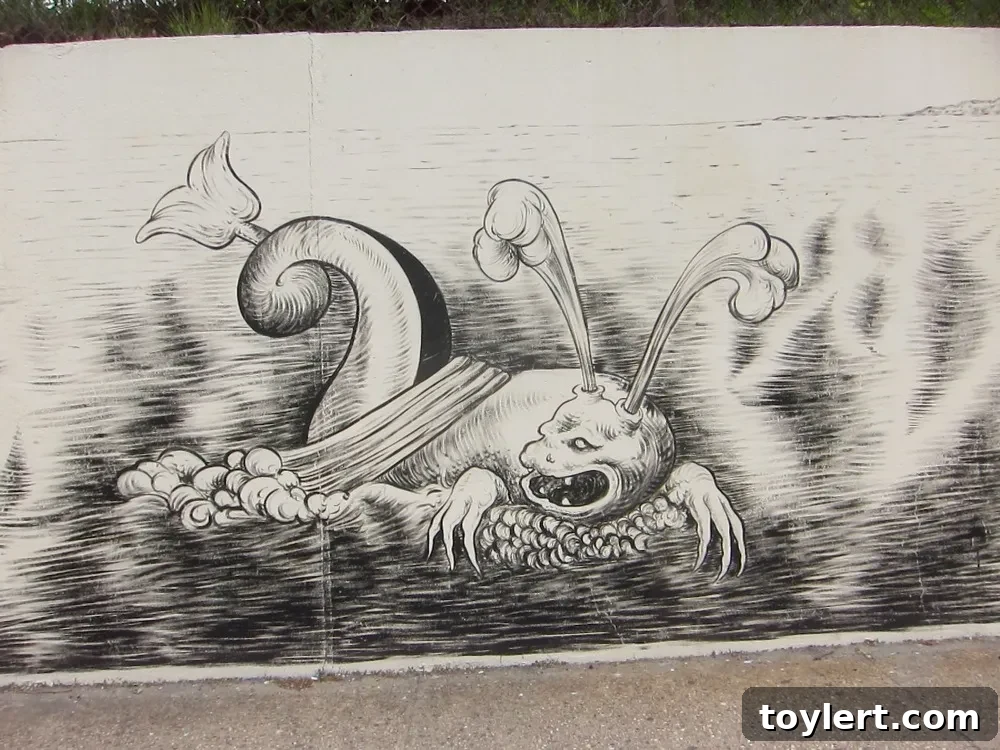
Photo: Crown Heights Mural Missing From Bergen Street [DNA]
Street art, particularly murals, often serves as a powerful expression of a neighborhood’s culture, history, and social dynamics. The disappearance of a Crown Heights mural from Bergen Street, as noted in this news item, is more than just the removal of paint from a wall. It can symbolize the ongoing changes within a neighborhood, where redevelopment or new property ownership might inadvertently erase cultural markers. These murals often tell stories, honor local heroes, or reflect collective aspirations, making their loss a poignant reminder of the ephemeral nature of urban landscapes. It sparks conversations about the importance of documenting, preserving, and celebrating these artistic contributions to public spaces, ensuring that the visual narrative of a community is not lost to progress.
Fortunately, Brooklyn’s community spirit also thrives through its beloved annual events, which bring residents together in celebration of shared heritage and local pride.
Bensonhurst’s 86th Street Festival Returns This Sunday, June 7 [Bensonhurst Bean]
The return of Bensonhurst’s 86th Street Festival is a testament to the enduring power of community traditions. Such festivals are more than just street fairs; they are vital cultural institutions that foster local commerce, showcase talent, and provide opportunities for neighbors to connect and celebrate. The 86th Street Festival, specifically, is a cornerstone event in Bensonhurst, reflecting the neighborhood’s diverse population and vibrant commercial strip. These gatherings are crucial for maintaining the unique fabric of Brooklyn’s distinct enclaves, offering a joyful respite from the daily grind and reinforcing a strong sense of belonging among residents. They embody the spirit of Brooklyn, a borough that cherishes its past while embracing its present.
Future Developments and Glimpses into Brooklyn’s Past
Brooklyn’s development trajectory continues to evolve, with new projects constantly on the horizon, promising growth and change across various neighborhoods. These developments often spark discussion about the future character of the borough.
Three-Story Commercial-Community Building Planned at 2831 West 8th Street, Coney Island [NYY]
The planning of a three-story commercial-community building in Coney Island signifies the ongoing investment and rejuvenation efforts in this iconic part of Brooklyn. Coney Island, renowned for its amusement parks and beach, is also a residential and commercial area undergoing significant revitalization. New developments like this commercial-community building indicate a broader strategy to diversify the area’s economy beyond seasonal tourism, providing essential services and job opportunities for local residents. These projects are critical for the sustained growth and stability of neighborhoods, transforming them into year-round vibrant communities. Balancing new construction with the preservation of Coney Island’s historical charm and unique appeal is a delicate but crucial task for urban planners and developers alike.
Amidst all this progress and planning, there’s always a fascinating pull to uncover the lesser-known stories and historical events that shaped Brooklyn into what it is today.
Blown to Pieces on Macon Street (1916) [Brownstone Detectives]
The work of “Brownstone Detectives” offers a captivating journey into Brooklyn’s past, unearthing forgotten incidents and intriguing mysteries. A headline like “Blown to Pieces on Macon Street (1916)” immediately captures attention, hinting at a dramatic event from over a century ago. These historical deep dives are invaluable, providing context to the borough’s architectural heritage and revealing the human stories behind its streets and buildings. They remind us that Brooklyn is not just a collection of modern developments but a place with a rich, complex, and sometimes explosive history. Exploring these narratives allows residents and enthusiasts to connect with the borough on a deeper level, appreciating the layers of time that have contributed to its present-day character.
From the depths of the Gowanus Canal, perhaps home to unseen “creatures,” to the glittering heights of new developments, Brooklyn remains a borough of contrasts—a place where history is revered, communities are cherished, and the future is constantly being built. Its challenges are as significant as its triumphs, but its spirit of innovation and resilience continues to shine through in every neighborhood and every news story.
Photo by Eugene Gannon