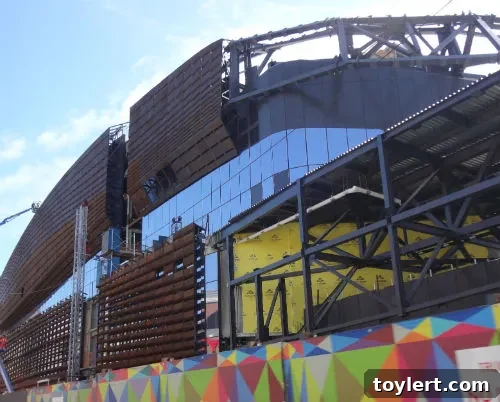
The Barclays Center Effect: Transforming Brooklyn’s Real Estate Landscape
The grand opening of the Barclays Center in Brooklyn marked more than just the arrival of a new sports and entertainment arena; it heralded a significant shift in the surrounding commercial real estate market. As the structure emerged as the only realized component of the ambitious Atlantic Yards project, it cast a long shadow of both excitement and uncertainty over adjacent neighborhoods. Property owners, developers, and local businesses alike grappled with the exhilarating prospect of escalating property values and increased foot traffic, juxtaposed with the inherent unpredictability of a rapidly evolving urban landscape.
A recent analysis delved into the financial prospects for commercial property owners near the Barclays Center, revealing a pervasive sentiment of “optimistic uncertainty” among real estate professionals. This paradoxical mood captures the essence of a market on the cusp of significant change, where potential gains are immense but the exact trajectory remains to be charted. The impending opening, highlighted by a high-profile Jay-Z concert, intensified the speculative atmosphere, turning every property transaction into a strategic gamble.
Commercial Property Owners Play the Waiting Game
The strategy adopted by the owners of Triangle Sports, members of the Rosa and Shapiro families, perfectly encapsulates this hesitant optimism. Along with their broker, Geoffrey Bailey of TerraCRG, they deliberately refrained from setting a price for their property. Mr. Bailey articulated this approach by stating, “we prefer to let the market come to us.” This stance reflects a broader trend among commercial landlords in the area: many had been shying away from offering tenants multi-year leases. The rationale was simple – to maintain flexibility and capitalize on potentially much higher rental incomes or sale prices in the near future, as the full economic impact of the arena began to unfold. This cautious yet hopeful waiting game underscores the belief that the Barclays Center would fundamentally reset the value proposition of Brooklyn’s prime commercial spaces.
A Magnet for Major Brands: The Pintchik Perspective
Among the most vocal proponents of the arena’s transformative power is Michael Pintchik, a prominent property owner with a substantial portfolio of buildings near the Barclays Center. His observations offer a tangible glimpse into the market’s evolution. Pintchik noted a recent surge in interest for his ground-floor retail spaces, attracting previously unattainable tenants: national retailers and Manhattan restaurateurs. These entities, who historically overlooked Brooklyn locations, were now actively exploring opportunities, drawn by the promise of high visibility, increased foot traffic, and the cachet associated with the new entertainment hub. This shift signifies a maturation of Brooklyn’s commercial appeal, moving beyond local businesses to attract established national brands seeking to tap into the borough’s burgeoning consumer base.
Pintchik’s vision for the area extends beyond just leasing existing spaces. He playfully – yet semi-seriously – suggested constructing a new building nearby that would be an ideal fit for an Apple store. This anecdote, while perhaps whimsical, powerfully symbolizes the elevated aspirations and perceived prestige that the Barclays Center has brought to the neighborhood. An Apple store, known for its strategic location choices and significant consumer draw, would be a clear indicator of the area’s arrival as a prime retail destination, capable of competing with Manhattan’s most coveted shopping districts.
Redefining Neighborhood Identity: Fort Greene, Park Slope, Prospect Heights, and Boerum Hill
Beyond individual property values and retail interest, the Barclays Center was envisioned to serve a larger purpose: to forge a distinct identity for the confluence of Fort Greene, Park Slope, Prospect Heights, and Boerum Hill. Historically distinct neighborhoods, their shared proximity to the arena offered an opportunity for synergy, creating a vibrant, interconnected urban core. Developers and community leaders alike expressed optimism that the arena would provide this nexus with “an identity as a neighborhood in its own right,” a unified cultural and commercial destination that transcends the sum of its parts. This consolidation of identity holds the promise of attracting further investment, fostering community pride, and enhancing the overall quality of urban life in the area.
Global Visionaries and Local Flavor: The Mama Shelter Story
The allure of this evolving Brooklyn landscape extends internationally, as evidenced by the interest of Cyril Aouizerate, the owner of Mama Shelter. This stylish boutique hotel, known for its trendy establishments in cosmopolitan cities, was actively pursuing a site near the arena, with Aouizerate expressing a “90 percent sure” conviction about opening a Brooklyn branch. His choice of Boerum Hill over more established, albeit gentrified, neighborhoods like Williamsburg speaks volumes about the perceived authenticity and future potential of the area. Aouizerate famously rejected Williamsburg as “too bourgeois-bohème,” favoring the “less established” character of Boerum Hill. This assessment, while surprising to some who view Williamsburg as a cultural touchstone, highlights a deliberate strategy to invest in areas poised for organic growth and transformation, rather than those already saturated with a specific type of development. Mama Shelter’s potential arrival signaled a vote of confidence in Boerum Hill’s unique charm and its capacity to attract a sophisticated, globally-minded clientele seeking a blend of local character and contemporary luxury.
The Shadow of Unfinished Business: Atlantic Yards Residential Development
Despite the palpable excitement surrounding commercial real estate and new business ventures, a significant question mark loomed large: the fate of the residential component of the Atlantic Yards project. The original vision for Atlantic Yards was a vast mixed-use development, with the arena as its centerpiece, surrounded by thousands of residential units. However, the progress on these residential towers lagged considerably, creating an imbalance in the area’s development. A notable transaction—the sale of a warehouse near the arena—was seen by some as an indicator of knowledgeable investors’ skepticism regarding the timely construction of the residential phase. This slow pace suggested that long after the Brooklyn Nets played their inaugural game, a “large hole” would remain in the arena’s backyard. This void, intended for residential density, had profound implications for the surrounding retail environment. A bustling residential population is a key driver for local businesses, providing consistent foot traffic and consumer demand. Without it, the full potential of the commercial spaces, despite drawing national interest, might remain partially unrealized. The absence of these planned residential communities represented a significant missing piece in the puzzle of Atlantic Yards, impacting everything from local amenities to the overall vibrancy of the newly formed neighborhood identity.
Beyond the Arena: A Holistic Look at Brooklyn’s Future
The impact of the Barclays Center extends far beyond property values and retail tenancy. It serves as a powerful catalyst for broader socio-economic shifts in Brooklyn. The arena generates substantial employment opportunities, from event staff to administrative roles, contributing to local job growth. It enhances Brooklyn’s appeal as a major tourist destination, drawing visitors for concerts, sports events, and the accompanying hospitality experiences. This influx of people spurs demand for diverse services, from transportation to dining, fostering a dynamic urban ecosystem. Furthermore, the arena’s presence has undoubtedly accelerated infrastructure improvements and urban planning discussions, as the city adapts to accommodate increased population density and activity. The long-term trajectory of these developments will hinge on how effectively local government, developers, and community stakeholders can collaborate to ensure inclusive growth and sustainable urban development, mitigating potential negative impacts while maximizing the benefits of this transformational project.
Conclusion: Navigating the Crossroads of Potential
The opening of the Barclays Center initiated an unprecedented era of change for Brooklyn’s commercial real estate market and its adjacent neighborhoods. It created a complex tapestry woven with threads of fervent optimism for future gains and the inherent uncertainty of large-scale urban development. From savvy property owners strategically holding out for optimal market conditions to national retailers and international hoteliers recognizing Brooklyn’s ascendant appeal, the area emerged as a crucible of urban transformation. Yet, the incomplete vision of the Atlantic Yards residential component serves as a poignant reminder that progress is often multifaceted, with challenges often accompanying profound opportunities. As the area continues to evolve, the interplay between the arena’s established presence and the ongoing development of its surroundings will ultimately define the character and economic prowess of this pivotal Brooklyn hub, solidifying its identity at the crossroads of potential.
In Barclays Center’s Shadow, Awaiting What’s Next [NY Times]