Exploring Brooklyn’s Vibrant Landscape: Real Estate, Community, and Urban Living Insights
Brooklyn, a borough renowned for its distinctive neighborhoods, rich cultural tapestry, and relentless evolution, continuously captivates both residents and newcomers alike. From its bustling real estate markets to its thriving local food scene, and from critical community initiatives to ongoing efforts in public space preservation, Brooklyn embodies a dynamic urban experience. This article delves into various facets of Brooklyn life, offering insights into the economic, social, and environmental currents shaping this iconic New York City borough.
Navigating Brooklyn’s Dynamic Real Estate Market
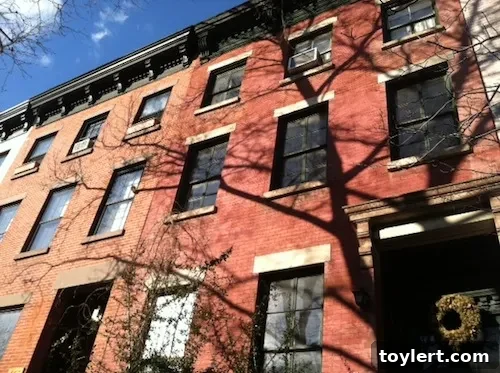
The real estate landscape in Brooklyn remains a focal point for many, reflecting the borough’s increasing desirability and unique charm. Neighborhoods like Wyckoff Heights, for instance, are often highlighted in discussions about emerging trends and shifting property values. The demand for homes, coupled with ongoing development, creates a complex market characterized by both opportunity and challenge. Prospective buyers and renters are often navigating a competitive environment, seeking the perfect blend of historical character, modern amenities, and community vibe.
Understanding Brooklyn’s real estate means looking beyond mere property listings; it involves appreciating the intricate balance between preserving historic architecture and accommodating new growth. As Brooklyn continues to attract diverse populations, the housing market adapts, presenting unique opportunities for investment, restoration, and innovation. The constant flux ensures that real estate remains a perennial topic of discussion, central to the borough’s identity and future development.
Fostering Local Connections: CSAs and Community Initiatives
Bringing the Farm to Your Table: The Rise of Brooklyn CSAs
The demand for fresh, locally sourced produce has seen a significant surge across Brooklyn, with Community Supported Agriculture (CSA) programs leading the charge. These initiatives create a direct link between urban residents and regional farms, allowing members to purchase shares of a farm’s harvest in advance. This model not only ensures a steady supply of seasonal fruits and vegetables but also fosters a deeper connection to the food system, promoting sustainable agricultural practices and supporting local economies. Brooklyn’s CSAs have become vibrant hubs, bringing communities together over shared values of health, sustainability, and local partnership, transforming the way city dwellers access and consume food.
Participation in a CSA offers numerous benefits, including access to exceptionally fresh produce, opportunities to discover new fruits and vegetables, and a tangible contribution to environmental stewardship. It’s a testament to Brooklynites’ commitment to healthy living and conscious consumption, strengthening the bond between urban neighborhoods and the surrounding agricultural landscape.
Empowering Communities Through Participatory Budgeting
Community engagement is a cornerstone of Brooklyn’s identity, and participatory budgeting stands out as a powerful mechanism for direct civic involvement. This innovative process allows residents to directly decide how a portion of public funds is spent in their district. From sidewalk repairs in South Slope to park improvements and school upgrades, these projects are chosen and voted upon by the very people they serve, ensuring that public spending truly reflects community priorities and needs.
The annual Participatory Budgeting Expo, where various project proposals are unveiled, exemplifies the democratic spirit prevalent in many Brooklyn neighborhoods. It’s an opportunity for residents to learn about proposed initiatives, discuss their merits, and ultimately cast their votes. This direct form of democracy not only empowers individuals but also strengthens local governance, fostering a sense of ownership and collective responsibility for neighborhood development and improvement.
Preserving Public Spaces and Ensuring Urban Well-being
The Importance of Parks: Harmony Playground and Beyond
Brooklyn’s green spaces, particularly its cherished parks, are vital arteries of urban life, offering respite, recreation, and community gathering points. Prospect Park, a crown jewel among them, consistently undergoes maintenance and renovation to ensure its amenities remain safe and accessible. The temporary closure of facilities like Harmony Playground for repair work, while inconvenient, underscores the ongoing commitment to preserving and enhancing these invaluable public assets for future generations.
These parks are more than just green patches; they are ecological havens, venues for cultural events, and essential playgrounds for children. Regular upkeep, addressing wear and tear, and modernizing facilities are crucial for maintaining the quality of life in densely populated areas. Investments in park infrastructure directly contribute to the physical and mental well-being of Brooklyn residents, making these urban oases indispensable.
Health and Safety Standards: Navigating Brooklyn’s Grocery Scene
Ensuring public health and safety is paramount, particularly when it comes to the places where Brooklynites purchase their food. Regular inspections of grocery stores play a critical role in upholding these standards, protecting consumers from unsanitary conditions. Reports from inspectors, sometimes revealing issues like pest infestations or improper food handling, serve as crucial alerts, prompting necessary corrective actions and raising awareness among both proprietors and patrons.
The insights gleaned from these inspections offer a valuable glimpse into the challenges faced by many urban food establishments and the diligent efforts of health departments to mitigate risks. For consumers, being informed about the cleanliness and operational standards of local grocers is essential for making safe and healthy choices, contributing to a higher standard of living across the borough.
Addressing Societal Shifts: Gentrification and Resilience
Bridging Divides: Understanding Gentrification in Brooklyn
Brooklyn, like many rapidly developing urban centers, grapples with the complex dynamics of gentrification. This phenomenon, often characterized by the influx of new residents and businesses, leads to significant changes in neighborhood demographics, culture, and economic structure. Areas like Bushwick and East Williamsburg, for instance, have seen discussions emerge regarding the divide between long-term residents and newer arrivals, often termed “hipsters.” These conversations highlight the challenges of cultural integration, affordability, and the preservation of community identity amidst transformation.
While gentrification can bring investment and new amenities, it also frequently leads to rising rents and property values, potentially displacing established communities and altering the unique character of a neighborhood. Understanding these tensions and fostering dialogue between diverse groups is crucial for building inclusive communities that respect heritage while embracing change. The ongoing narrative of gentrification in Brooklyn underscores the need for thoughtful urban planning and community-led initiatives that strive for equitable development.
Building Resilience: Preparing Art Spaces for Natural Disasters
As an urban environment situated near the coast, Brooklyn faces inherent vulnerabilities, including the threat of natural disasters like hurricanes. For the borough’s vibrant arts community, protecting valuable collections, studios, and performance spaces becomes a critical aspect of preparedness. Learning how to properly secure art spaces, whether it involves elevating sensitive equipment, creating inventory lists, or establishing emergency contact networks, is not just a practical necessity but also a testament to the resilience of Brooklyn’s creative spirit.
These preparedness efforts go beyond individual measures; they often involve community-wide initiatives to share knowledge, resources, and support networks. Ensuring that art and cultural institutions can withstand and recover from adverse events safeguards Brooklyn’s invaluable artistic heritage and its future as a creative hub. It highlights a proactive approach to urban living, where communities collaborate to protect their assets and ensure continuity.
Brooklyn continues to be a borough of contrasts and constant evolution, where historical roots intertwine with modern innovation. From its evolving real estate and dedicated local food movements to its commitment to civic participation, public health, and urban resilience, Brooklyn exemplifies the vibrant, complex tapestry of urban life. The stories unfolding within its neighborhoods reflect a community actively shaping its future, fostering connections, and continually adapting to meet new challenges and opportunities.
Further Reading & Original Highlights
- Real Estate Round-Up[Wyckoff Heights]
- Brooklyn CSAs Bring Local Farms to Your Table[BK Exposed]
- Projects Revealed at Participatory Budgeting Expo Tonight[South Slope News]
- Harmony Playground at Prospect Park Closed for Repair Work[PS Stoop]
- MAP: Inspectors Flag Roach Motels Among Brooklyn Grocers[Patch]
- Series About Divide Between Long-Term Residents and Hipsters[Bushwick Daily]
- Learn How to Prepare Your Art Space for the Next Hurricane[Brokelyn]