Downtown Brooklyn’s Skyward Ascent: New 28-Story Mixed-Use Tower to Transform Albee Square
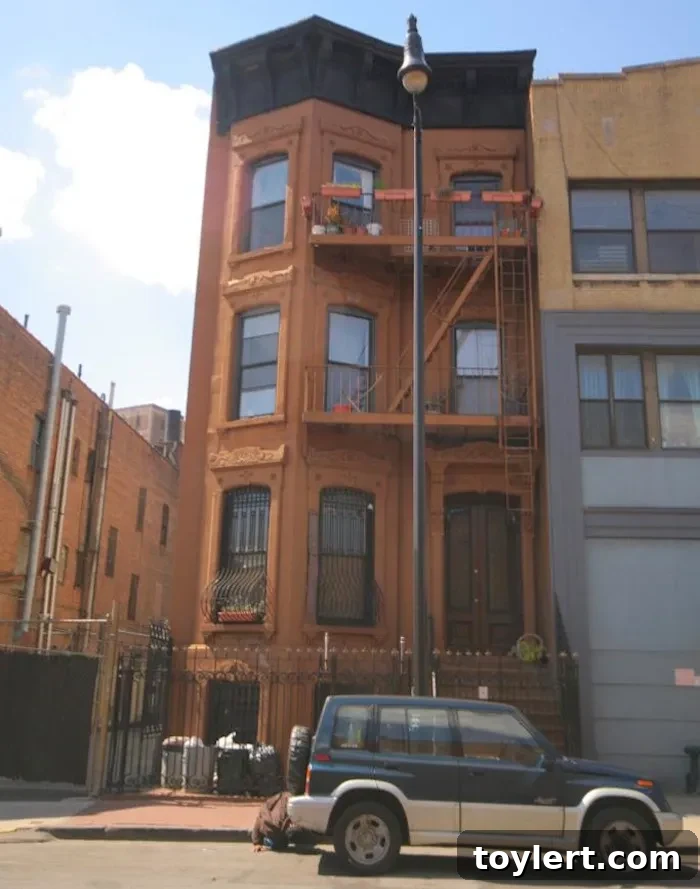
Downtown Brooklyn is once again at the forefront of urban transformation, with plans unveiled for a significant new mixed-use development at 436 Albee Square. Positioned strategically next to the thriving City Point complex, this upcoming 28-story tower promises to add a fresh dimension to the borough’s rapidly evolving skyline. The project, as reported by New York YIMBY, is slated to feature 150 modern residential units alongside a robust commercial component, replacing an existing brownstone that currently houses rent-stabilized apartments. This development is a clear indicator of Downtown Brooklyn’s unwavering momentum as a premier destination for living, working, and leisure.
The addition of this new high-rise at 436 Albee Square is more than just another building; it represents a continued commitment to creating dense, vibrant, and accessible urban environments. With its prime location, modern design, and blend of residential and retail spaces, the tower is set to become a focal point, further solidifying Downtown Brooklyn’s reputation as a dynamic metropolitan hub. As the permit filings confirm, the scale and scope of this project are substantial, promising a significant enhancement to the local infrastructure and an enriched experience for residents and visitors alike.
A New Landmark Rises: Project Details and Location Advantages
Strategic Location: At the Heart of Downtown Brooklyn’s Renaissance
The chosen site for this ambitious development, 436 Albee Square, is undeniably one of Downtown Brooklyn’s most coveted addresses. Nestled directly adjacent to City Point, residents will find themselves immersed in a vibrant ecosystem of dining, shopping, and entertainment. City Point itself is a testament to modern urban planning, boasting an array of popular retailers such as Trader Joe’s and Target, diverse culinary experiences at DeKalb Market Hall, and entertainment venues like the Alamo Drafthouse Cinema. This immediate proximity ensures that future occupants of 436 Albee Square will enjoy unparalleled convenience and access to essential services and leisure activities.
Beyond the immediate vicinity of City Point, the location offers exceptional connectivity. Downtown Brooklyn is a major transportation nexus, providing effortless access to numerous subway lines (including the B, D, N, Q, R, 2, 3, 4, 5, A, C, F, and G trains) and multiple bus routes. This makes commuting to Manhattan, other parts of Brooklyn, and beyond incredibly straightforward, appealing to a broad spectrum of urban dwellers seeking efficient travel options. The walkability of the neighborhood, combined with its robust transit infrastructure, underscores why properties in this area are in such high demand.
Architectural Vision and Scale: Defining the New Skyline
The specifics of the 436 Albee Square project highlight a significant investment in Downtown Brooklyn’s vertical growth. According to official new building applications, the entire development will encompass an impressive 143,200 square feet. A substantial portion of this space, 23,740 square feet, is allocated for retail, strategically occupying the first three floors of the building. This ground-level retail presence is crucial for fostering an active streetscape and providing amenities directly to the community.
The remaining 118,977 square feet are dedicated to residential purposes, promising 150 new homes designed to cater to a diverse urban demographic. The 28-story height of the tower is also noteworthy; YIMBY astutely points out that it will rival the stature of the larger residential towers within the City Point complex itself. This comparison underscores the project’s ambition to contribute meaningfully to the burgeoning Downtown Brooklyn skyline, adding another prominent structure to its ever-growing collection of modern high-rises.
The Evolving Landscape of Downtown Brooklyn
Balancing Progress and Preservation: From Brownstones to High-Rises
Downtown Brooklyn’s transformation from a historic district characterized by brownstones and commercial blocks into a sleek, modern urban core has been remarkable. While the influx of new developments brings economic vitality and housing options, it also sparks important conversations about preservation. The replacement of the brownstone at 436 Albee Square, which housed rent-stabilized apartments, highlights the complex interplay between urban renewal and community impact. Developers, community boards, and residents constantly navigate the delicate balance of accommodating growth while striving to maintain the unique character and affordability that have historically defined parts of Brooklyn.
This ongoing dialogue is a defining feature of New York City’s real estate landscape. While the loss of older structures can be contentious, new projects like 436 Albee Square are often designed to integrate contemporary aesthetics with nods to the borough’s rich architectural heritage, aiming for a harmonious blend of old and new. The focus is increasingly on creating developments that contribute positively to the urban fabric, not just through their physical presence but also through their social and economic contributions.
The Power of Mixed-Use Developments in Urban Planning
The mixed-use model adopted by the 436 Albee Square tower is a cornerstone of modern urban planning, particularly in densely populated areas like Downtown Brooklyn. This approach, which integrates residential, commercial, and often cultural spaces within a single development, offers numerous benefits. For residents, it translates into unparalleled convenience, with shops, restaurants, and services often just an elevator ride away. This “live-work-play” environment significantly reduces the need for extensive travel, fostering a more sustainable and time-efficient lifestyle.
From an urban planning perspective, mixed-use developments enhance street vitality by ensuring activity throughout the day and evening. Retail spaces benefit from a built-in customer base, while residential components gain access to immediate amenities. This symbiotic relationship creates a more dynamic and self-sufficient micro-community, reducing urban sprawl and maximizing land use in prime locations. The 436 Albee Square tower exemplifies this forward-thinking strategy, aiming to cultivate a truly integrated urban experience.
A Glimpse into Modern Brooklyn Living and Retail
Residential Excellence: Crafting the Urban Home
While specific interior details for the 150 residential units at 436 Albee Square are yet to be fully revealed, new luxury developments in Downtown Brooklyn typically offer a mix of studio, one-bedroom, and two-bedroom apartments, designed with contemporary aesthetics and functionality in mind. Future residents can anticipate high-end finishes, state-of-the-art appliances, and thoughtful layouts that maximize space and natural light. Given the building’s height, many units, especially on higher floors, are expected to offer breathtaking panoramic views of the Manhattan skyline, the Brooklyn cityscape, and beyond.
Beyond the individual units, modern urban towers like this one are defined by their comprehensive amenity packages. It’s reasonable to expect features such as a well-equipped fitness center, communal lounges for social gatherings, dedicated co-working spaces catering to the rise of remote work, a rooftop terrace for outdoor relaxation, and perhaps concierge services for added convenience and security. These amenities are crucial in attracting discerning residents who seek a comprehensive lifestyle offering within their urban dwelling.
Dynamic Retail Opportunities at the Building’s Base
The 23,740 square feet of retail space spread across the first three floors of 436 Albee Square holds immense potential. This commercial footprint is strategically designed to complement the existing retail landscape of City Point and the broader Downtown Brooklyn area, not merely to replicate it. It could host a diverse range of establishments, from boutique shops and artisanal cafes to essential service providers or even a new dining destination. The presence of these retail options directly within the building will not only serve its residents but also draw foot traffic from the surrounding bustling neighborhood.
Such retail additions contribute significantly to the local economy by creating new job opportunities and offering consumers more choices. They help to strengthen Downtown Brooklyn’s position as a vibrant commercial district, appealing to both local shoppers and visitors. The integration of retail at the lower levels ensures an active street presence, enhancing the pedestrian experience and contributing to the overall energy of Albee Square.
Economic Impact and Community Engagement
Fueling Economic Growth and Opportunity
The construction of a major tower like 436 Albee Square represents a substantial economic injection into Brooklyn. The project generates numerous jobs across various sectors, from construction and skilled trades during its development phase to ongoing positions in retail, property management, and hospitality once completed. Furthermore, increased residential density often translates to higher property tax revenues for the city, which can be reinvested into public services and infrastructure improvements.
The new retail spaces also stimulate economic activity, providing platforms for new businesses and expanding consumer choices. This ripple effect extends to surrounding businesses, which benefit from increased foot traffic and a growing customer base. In essence, the development at 436 Albee Square is poised to be a significant contributor to Downtown Brooklyn’s continued economic vibrancy and growth.
Navigating Community Concerns and Urban Development
While new developments bring undeniable benefits, they also frequently raise important community concerns. The replacement of the brownstone, particularly one with rent-stabilized units, naturally sparks discussions around gentrification, displacement, and the evolving character of the neighborhood. Rapid development often leads to questions about the strain on existing infrastructure, such as schools, public parks, and transportation systems, which must adapt to a growing population.
In response, developers and city planners are increasingly engaging in dialogues with community boards and residents to address these issues. Sustainable growth, equitable development, and maintaining community character are critical considerations in modern urban planning. The story of 436 Albee Square is, in many ways, a microcosm of the larger narrative of urban transformation in New York City – a dynamic process of growth, adaptation, and ongoing conversation.
The Future of Downtown Brooklyn
The 28-story mixed-use tower at 436 Albee Square is more than just a new building; it’s a testament to Downtown Brooklyn’s relentless evolution and its future as a premier urban destination. By combining modern residences with dynamic retail spaces, the development is set to enhance the area’s liveability, convenience, and economic vitality. As this project takes shape, it will undoubtedly contribute to the ongoing narrative of a neighborhood that continues to embrace innovation while building upon its rich heritage.
This latest addition signals a vibrant future for Albee Square and the broader Downtown Brooklyn landscape. With its strategic location, thoughtful design, and blend of uses, the 436 Albee Square tower will not only rise physically but also elevate the standard of urban living and commerce in one of New York City’s most exciting boroughs.