Charting a New Course: Unpacking the MoveNY Plan for East River Bridge Tolls and NYC’s Future
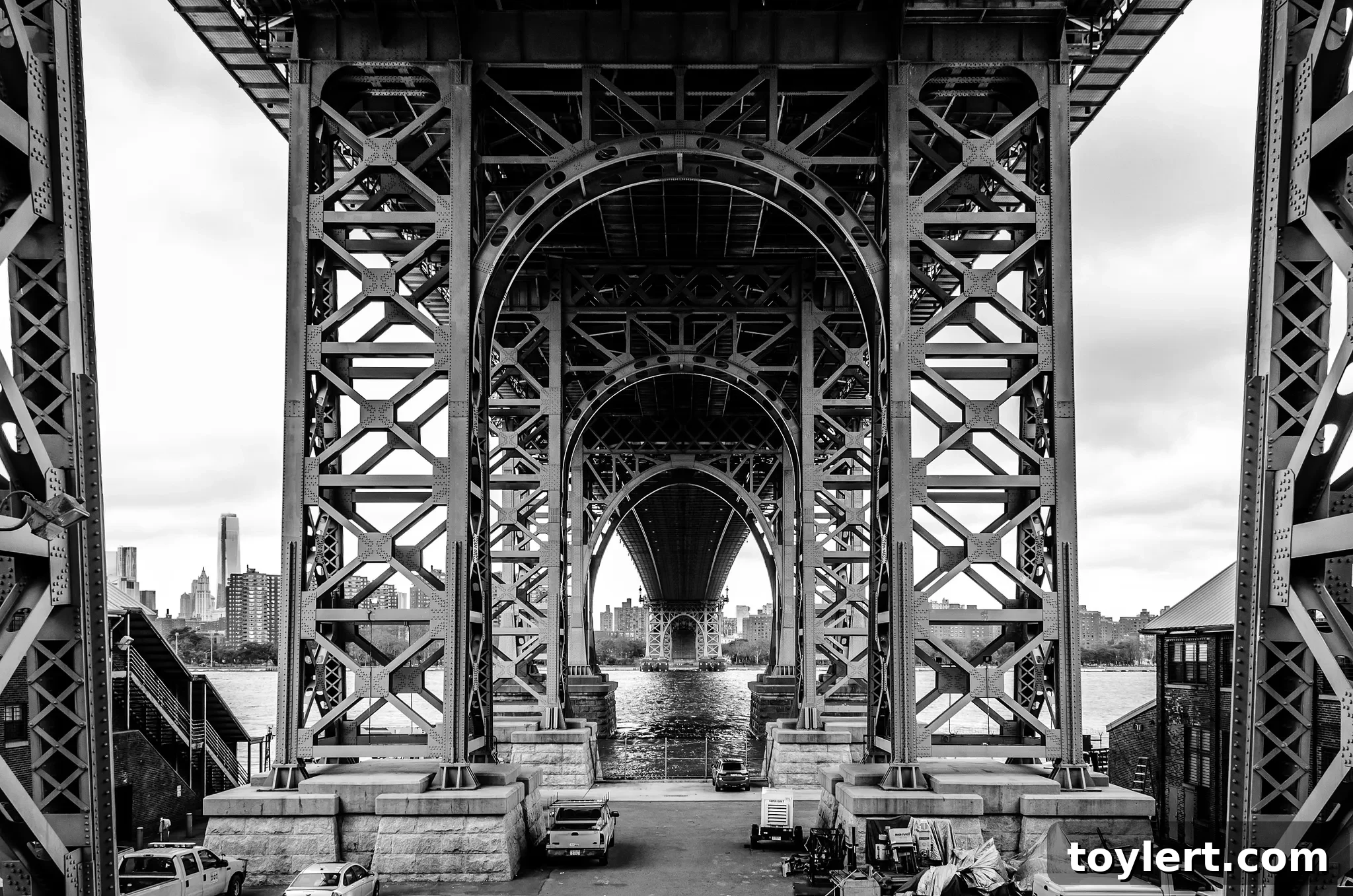
New York City stands at a critical juncture, grappling with the twin challenges of chronic traffic congestion and an aging infrastructure system. In response, MoveNY, a prominent transit advocacy group, has put forth a comprehensive and ambitious proposal: implementing tolls on the iconic East River bridges, including the Brooklyn, Manhattan, and Williamsburg Bridges. This transformative plan, spearheaded by former transit commissioner Sam Schwartz, aims to revolutionize urban mobility, alleviate notorious traffic bottlenecks, and secure vital funding for the modernization and expansion of the city’s beloved, yet often strained, mass transit system, alongside crucial repairs for roads and bridges.
The urgency of addressing these issues was recently highlighted at a pivotal public forum held in Downtown Brooklyn. Organized collaboratively by influential neighborhood groups, proactive community boards, and dedicated elected officials, the event served as a crucial platform for open dialogue. It invited New Yorkers to delve into the intricacies of the MoveNY “Fair Plan,” discuss its potential ramifications, and collectively brainstorm sustainable solutions for a more efficient, accessible, and environmentally conscious urban landscape. This discourse is not merely about adding tolls; it’s about reimagining how millions move through the city daily and ensuring the long-term health of its foundational infrastructure.
The MoveNY Plan: A Bold Vision for Sustainable Urban Mobility
At its core, the MoveNY plan proposes a multifaceted approach to generate revenue and reshape commuter behavior. The introduction of tolls on the East River bridges – currently free – would create a more equitable and efficient pricing structure across the city’s river crossings. Under the proposed framework, revenue generated from these new tolls would be strategically channeled into a dedicated fund aimed at bolstering public transportation and infrastructure projects. This isn’t just about collecting fees; it’s about investing in the city’s future, ensuring that the critical arteries of commerce and community remain robust and functional for generations to come. The plan seeks to balance the financial burden while maximizing the benefits for the entire metropolitan area.
Sam Schwartz, a respected figure in urban planning often dubbed “Gridlock Sam” for his expertise in traffic management, argues that the current system is unsustainable. The congestion is not only a daily frustration but also an economic drain, costing the city billions in lost productivity and increased pollution. By creating a uniform tolling structure, MoveNY aims to incentivize the use of public transit, thereby reducing the sheer volume of vehicles pouring into Manhattan’s central business district and other congested areas. This shift could lead to faster travel times for essential services, improved air quality, and a more predictable commute for everyone, regardless of their chosen mode of transport.
Addressing New York City’s Critical Infrastructure Crisis
New York City’s infrastructure, while resilient, is undeniably showing its age. Decades of underfunding and deferred maintenance have left significant portions of its roads, bridges, and subways in various states of disrepair. The MTA, which operates the vast subway and bus networks, faces a multi-billion dollar capital deficit, hindering essential upgrades to signaling systems, track rehabilitation, and accessibility improvements. Bridges like the Brooklyn Bridge, an iconic symbol of the city, require ongoing, intensive maintenance to ensure their structural integrity and safety. Pothole-riddled streets and crumbling expressways plague drivers, leading to costly vehicle damage and persistent delays.
The MoveNY plan offers a concrete solution to this pervasive funding crisis. By establishing a reliable and significant revenue stream from East River bridge tolls, the city can finally embark on a comprehensive program of infrastructure renewal. This would mean not only repairing existing damage but also investing in crucial modernizations. Imagine fully accessible subway stations, state-of-the-art signaling that reduces delays, expanded bus rapid transit routes, and smoothly paved roads across all five boroughs. Such investments are not mere luxuries; they are fundamental to maintaining New York’s status as a global hub and ensuring a high quality of life for its residents.
Tackling Chronic Congestion in Downtown Brooklyn and Beyond
Traffic congestion in New York City is legendary, and Downtown Brooklyn, along with the charming Brownstone Brooklyn neighborhoods, are particularly vulnerable choke points. The influx of vehicles crossing the East River daily, combined with local traffic, creates perpetual gridlock that impacts everything from local businesses to emergency services. This constant vehicular bottleneck contributes significantly to localized air pollution, diminishes pedestrian safety, and exacts a toll on the mental well-being of residents and commuters alike.
MoveNY’s proposal directly targets this issue through the principles of congestion pricing. By placing a price on crossing these bridges into Manhattan, the plan aims to encourage drivers who have viable public transit alternatives to make the switch. This shift would not only free up road space but also reduce the volume of vehicles circulating through critical urban areas. The expectation is that fewer cars would translate into smoother traffic flow, faster bus speeds, and a more pleasant urban environment for pedestrians and cyclists. It’s a strategy proven effective in other major global cities, leading to significant reductions in traffic and corresponding improvements in air quality.
Modernizing and Expanding New York City’s Mass Transit System
A thriving metropolis like New York City depends heavily on its mass transit system. The subway, an intricate subterranean network, is the lifeblood of daily commuting for millions. However, it requires continuous investment to meet the demands of a growing population and evolving technological standards. From signal upgrades that enhance efficiency and reduce delays to the expansion of lines into underserved areas, the potential for improvement is vast.
The MoveNY plan specifically earmarks a substantial portion of its projected revenue for these critical mass transit enhancements. This funding could unlock projects like the long-awaited Second Avenue Subway expansion, crucial accessibility upgrades at dozens of subway stations to comply with ADA requirements, and the procurement of new, more efficient subway cars and buses. Beyond the subway, the plan envisions a robust expansion of bus rapid transit (BRT) routes, offering faster and more reliable surface transportation options. Investing in mass transit is an investment in equity, providing affordable and efficient transportation alternatives that reduce reliance on private vehicles and open up economic opportunities across the city.
Economic and Social Impacts: A Multi-faceted Debate
Any proposal as sweeping as MoveNY’s is bound to spark vigorous debate, particularly concerning its economic and social ramifications. Critics often raise concerns about the financial burden on commuters, especially those from outer boroughs who may have fewer public transit options or work unconventional hours. There’s also the question of impact on small businesses, delivery services, and residents who rely on personal vehicles for essential needs.
However, proponents argue that the long-term economic benefits – reduced congestion, improved transit reliability, and a healthier environment – far outweigh the initial costs. They point to potential mitigating strategies within the plan, such as discounts for low-income drivers, carve-outs for specific commercial vehicles, or credits for those who already pay tolls on other crossings. Furthermore, the economic boost from infrastructure projects themselves, creating jobs and stimulating local economies, cannot be overlooked. The discussion around MoveNY is therefore not just about fees, but about a holistic vision for an economically vibrant and socially equitable city.
The Public Discourse: A Critical Forum for Community Input
Understanding the complexities and diverse perspectives surrounding such a monumental policy shift, public engagement is paramount. The recent public forum at the Brooklyn YWCA at 30 3rd Avenue provided an invaluable opportunity for residents to voice their opinions, ask questions, and contribute to the ongoing dialogue. These community-led initiatives, involving neighborhood groups, community boards, and local elected officials, underscore the democratic process inherent in shaping urban policy.
Following Sam Schwartz’s detailed presentation of the MoveNY Fair Plan, attendees were invited to participate in smaller breakout sessions. This format allowed for more intimate discussions, fostering a deeper exploration of specific concerns and potential solutions. Such direct community input is crucial for refining the plan, addressing potential unforeseen challenges, and building consensus around a strategy that serves the best interests of all New Yorkers. Transparency and public participation are the cornerstones of successful urban planning, ensuring that the needs of the populace are not only heard but actively integrated into policy decisions.
Sam Schwartz: A Legacy in Urban Planning and Advocacy
The credibility and vision behind the MoveNY plan are significantly bolstered by the involvement of Sam Schwartz. A renowned traffic engineer and former New York City Traffic Commissioner, Schwartz has dedicated his career to improving urban transportation. His deep understanding of traffic patterns, infrastructure needs, and public behavior makes him an authoritative voice in the debate over NYC’s transit future. His long-standing advocacy for congestion pricing and sustainable transportation solutions positions him as a key architect of a more livable and functional city.
Schwartz’s involvement underscores that the MoveNY proposal is not merely a theoretical exercise but a meticulously researched and practically oriented strategy. His experience navigating the bureaucratic complexities of city government and his passion for innovative solutions lend significant weight to the plan, assuring stakeholders that it is grounded in decades of real-world expertise and a profound commitment to the city’s well-being.
The MoveNY plan, with its proposal for East River bridge tolls, represents a bold, forward-thinking approach to addressing New York City’s most pressing urban challenges. By offering a sustainable funding mechanism for infrastructure repairs and mass transit expansion, while simultaneously tackling crippling congestion, it lays out a compelling vision for a more efficient, equitable, and environmentally sound metropolis. The ongoing public discourse, fueled by forums like the one in Brooklyn, is essential in shaping this critical initiative and ensuring that New York City remains at the forefront of urban innovation and quality of life for all its residents. Engaging with these proposals now is crucial for defining the city we will inhabit tomorrow.