Brooklyn, one building at a time.
The Enduring Elegance of Renaissance Revival: Uncovering the History of 1095-1099 Park Place in Crown Heights
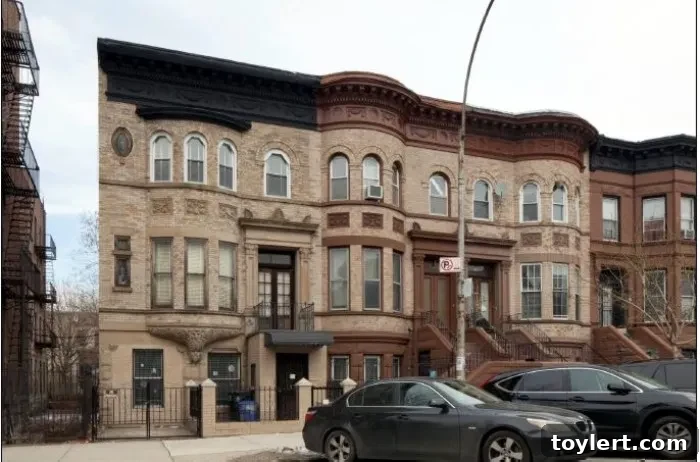
Nestled within the vibrant and historically rich neighborhood of Crown Heights, Brooklyn, stand architectural marvels that tell a story of urban development, refined taste, and enduring charm. Among these are the distinguished row houses located at 1095-1099 Park Place. These structures are not merely buildings; they are tangible links to Brooklyn’s past, embodying the grandeur and aspirations of an era defined by rapid growth and a blossoming sense of architectural identity. Specifically, these homes showcase the exquisite details and balanced aesthetics characteristic of the Renaissance Revival style, making them significant landmarks in the borough’s illustrious architectural landscape. Exploring their history provides a fascinating glimpse into the evolution of Crown Heights and the broader narrative of Brooklyn’s urban heritage.
Crown Heights: A Neighborhood Forged in History and Style
The story of 1095-1099 Park Place is inextricably linked to the development of Crown Heights itself. In the late 19th and early 20th centuries, Brooklyn was undergoing a dramatic transformation. What was once a collection of rural hamlets and farmlands began to evolve into a bustling urban center, driven by improved transportation networks like the elevated train lines and burgeoning industries. Wealthy and middle-class families sought spacious homes away from the crowded core of Manhattan, leading to a boom in residential construction in areas like Crown Heights.
This period saw the systematic development of blocks with rows of elegant houses, each designed to project an image of prosperity and stability. Developers and speculative builders, eager to meet the demand for high-quality housing, often hired talented architects to design entire streetscapes. These architects frequently drew inspiration from a range of historical styles, with Renaissance Revival proving to be particularly popular for its sophisticated and timeless appeal. Crown Heights, with its wide avenues and generous plots, became an ideal canvas for these architectural expressions, creating the distinctive streetscapes that residents and visitors admire today.
The Allure of Renaissance Revival Architecture in Brooklyn Row Houses
The Renaissance Revival style, prominent in the late 19th and early 20th centuries, marked a shift from the more ornate and sometimes eclectic Victorian styles that preceded it. Drawing inspiration from 15th and 16th-century Italian Renaissance palaces and French Beaux-Arts principles, this style emphasized symmetry, classical proportions, and a sense of dignified elegance. For urban row houses, it offered an ideal blend of classicism and practicality, allowing for impressive facades even within relatively narrow footprints.
Key characteristics of Renaissance Revival architecture visible in Brooklyn row houses often include:
- Symmetrical Facades: A balanced arrangement of windows and architectural elements.
- Classical Motifs: Use of pilasters, columns, pediments, and cornices reminiscent of ancient Roman and Greek architecture.
- Rich Materials: Often constructed with high-quality materials like pressed brick, limestone, terra cotta, and brownstone for decorative elements.
- Elaborate Cornices: Projecting, often highly decorative cornices that define the roofline.
- Arched Openings: Windows and doorways frequently feature graceful arches or prominent lintels.
- Rustication: The use of rough-faced stone blocks on lower levels, adding a sense of solidity and grandeur.
These elements combined to create homes that exuded a sense of permanence and sophisticated beauty. The Renaissance Revival style became a favored choice for developers and homeowners alike, seeking to project an image of cultured refinement and stability in the rapidly modernizing city. Its enduring appeal is a testament to its timeless design principles, making these Brooklyn row houses highly sought after even today.
Unveiling 1095-1099 Park Place: A Detailed Look at Historic Brooklyn Homes
The row houses at 1095-1099 Park Place stand as prime examples of this architectural movement. While specific architects for individual row houses can sometimes be elusive without deep archival research, the collective design vision for these blocks was often meticulous. These homes typically feature finely crafted brick facades, often accented with limestone or terra cotta details that add texture and visual interest. The choice of materials not only contributed to their aesthetic appeal but also spoke to the quality of construction prevalent in the era.
Observe the intricate details that define these historic Brooklyn homes:
- Grand Stoops: A quintessential Brooklyn feature, these impressive stoops often lead to main entrances, providing a sense of elevation and a transition from the public street to the private dwelling. They are frequently adorned with ornate railings and newel posts.
- Ornate Doorways: The entrances themselves are often focal points, featuring decorative surrounds, carved stone details, and sometimes elaborate transoms or fanlights above the door, indicating the status of the original residents.
- Window Treatments: Windows are usually multi-paned and arranged symmetrically, often with distinct lintels and sills. Bay windows or projecting oriels might add depth and light to the interior, breaking the plane of the facade in an elegant manner.
- Cornice and Roofline: The crowning glory of many Renaissance Revival homes is their elaborate cornice, which often projects significantly and features dentil work, modillions, or other classical motifs. This element provides a definitive finish to the building’s profile.
Each house, while part of a unified row, often boasts subtle individual variations in its decorative elements, preventing monotony and adding character to the street. The careful attention to detail, from the brickwork patterns to the delicate carving on stone elements, underscores the high level of craftsmanship that went into constructing these residences, solidifying their status as significant Crown Heights landmarks.
Echoes of the Past: Early Residents and Community Life in Crown Heights
When these Renaissance Revival row houses were first completed, they attracted a specific demographic: the burgeoning middle and upper-middle classes of New York City. These were professionals, merchants, and successful entrepreneurs who sought not just a dwelling, but a statement of their achievements and aspirations. Living on Park Place, particularly in such distinguished homes, signified a certain social standing within the growing borough of Brooklyn.
Life in these homes in the early 20th century would have been quite different from today. Families were often larger, and households might include live-in staff, reflecting the societal norms of the time. The neighborhood of Crown Heights itself was developing a vibrant community spirit, with local shops, churches, and schools catering to the needs of its residents. These row houses were not isolated structures but integral parts of a thriving urban tapestry, witnessing generations of families build their lives, raise children, and contribute to the rich cultural fabric of Brooklyn.
The grand parlors and dining rooms would have been settings for social gatherings, family meals, and the daily rhythms of turn-of-the-century life. The stoops, in particular, served as semi-public spaces where neighbors could interact, watch children play, and observe the comings and goings of the street. These homes, therefore, are imbued with the collective memories and stories of countless individuals who once called them home, adding layers of human history to their architectural beauty.
Preservation and Enduring Legacy: The Role of the LPC for Historic Brooklyn Homes
The enduring significance of structures like 1095-1099 Park Place has not gone unnoticed. In New York City, the Landmarks Preservation Commission (LPC) plays a crucial role in safeguarding the architectural and historical heritage of the five boroughs. The mention of “LPC” in the image alt text hints at the recognition and protection these buildings or their surrounding district might receive, ensuring their integrity for future generations. Landmark designation helps protect these historic homes from inappropriate alterations or demolition, preserving the unique character of neighborhoods like Crown Heights.
Preserving these row houses is not just about maintaining old buildings; it’s about retaining the historical narrative of Brooklyn. These structures offer invaluable insights into past architectural trends, construction techniques, and the social history of the city. For property owners, owning and maintaining a historic home comes with both responsibilities and rewards, contributing directly to the unique charm and historical depth of their community. Their continued existence serves as a testament to the foresight of their original builders and the dedication of subsequent generations who have valued their intrinsic worth.
Crown Heights Today: A Blend of History and Modernity
Today, Crown Heights continues its dynamic evolution, blending its rich historical past with a vibrant, contemporary present. The Renaissance Revival row houses at 1095-1099 Park Place remain central to the neighborhood’s identity, standing proudly amidst newer developments and a diverse community. They contribute significantly to the aesthetic appeal of the streets, attracting those who appreciate architectural beauty and the sense of history that permeates this part of Brooklyn.
The neighborhood is a melting pot of cultures, businesses, and artistic endeavors, with these historic homes serving as a foundational element of its charm. They provide a visual anchor to the past, reminding residents and visitors of the quality and craftsmanship that defined an earlier era of urban development. Their sturdy construction and timeless design have allowed them to adapt to changing lifestyles while retaining their essential character, continuing to provide elegant urban living spaces.
A Testament to Time and Design: The Legacy of 1095-1099 Park Place
The row houses at 1095-1099 Park Place in Crown Heights are far more than just brick and mortar. They are powerful symbols of Brooklyn’s architectural heritage, showcasing the exquisite beauty and enduring appeal of Renaissance Revival design. Their story is intertwined with the growth of Crown Heights, the aspirations of its early residents, and the ongoing commitment to preserving the unique character of New York City’s historic neighborhoods. As silent observers of over a century of urban life, these historic Brooklyn homes continue to inspire awe and appreciation, serving as a magnificent testament to the artistry and vision of a bygone era.