Brooklyn’s Unfolding Story: Resilience, Recovery, and Reimagination Post-Sandy
In the vibrant tapestry of New York City, Brooklyn stands out as a borough defined by its incredible diversity, rich history, and an unwavering spirit of community. Following the devastating impact of Hurricane Sandy in late 2012, Brooklyn found itself at a crucial juncture, navigating the immediate aftermath of the disaster while simultaneously pushing forward with ambitious development projects and confronting its inherent social challenges. This period was a testament to the borough’s resilience, showcasing how communities came together to rebuild, how iconic landmarks prepared for a new era, and how complex urban planning continued to shape its future.
This article delves into the various facets of Brooklyn’s journey during this pivotal time, drawing insights from key news reports that captured the borough’s multifaceted response. From the heartwarming stories of neighbors helping neighbors to the contentious debates over environmental impact and grand architectural visions, Brooklyn’s narrative is one of continuous transformation and the enduring strength of its people.
The Enduring Spirit of Community and Recovery
The immediate weeks and months after Hurricane Sandy brought unprecedented challenges to many parts of Brooklyn, particularly its coastal communities. Yet, amidst the destruction, a powerful sense of unity emerged, highlighting the crucial role of local gathering places and the remarkable efforts to support those most affected.
Rebuilding Bonds and Businesses: The Heart of Brooklyn
As New Yorkers grappled with the widespread damage, the importance of local establishments that serve as community hubs became more apparent than ever. These “places that bring New Yorkers together” (as highlighted by The New York Times) weren’t just businesses; they were the very fabric of neighborhoods, offering solace, connection, and a semblance of normalcy in trying times. Their struggle to reopen, often without power or supplies, was a shared burden, and their eventual return signaled a significant step towards recovery for the entire community.
A prime example of this steadfast determination was the beloved Nathan’s Famous flagship restaurant in Coney Island. A true institution, its reopening in the spring after Sandy’s devastation was more than just a business returning; it was a powerful symbol of resilience and the promise of summer fun returning to a cherished destination. The New York Post reported on its much-anticipated return, underscoring the deep emotional connection residents have to such iconic local spots.
Supporting Vulnerable Populations in Times of Crisis
The hurricane disproportionately affected vulnerable populations, including the elderly, who often faced greater challenges in evacuation and finding temporary shelter. The story of elderly evacuees finding a temporary home in an empty Brookdale Hospital wing, as reported by DNAinfo, highlighted the critical need for swift and compassionate community responses. It was a poignant reminder of how existing infrastructure could be repurposed for humanitarian aid, demonstrating Brooklyn’s capacity for collective care and quick improvisation in emergencies.
Brooklyn’s Iconic Landmarks and Evolving Urban Fabric
Beyond the immediate recovery, Brooklyn continued to look towards its future, integrating new technologies with its storied past and fostering its vibrant cultural scene. The borough’s landmarks, both architectural and artistic, played a significant role in this ongoing narrative.
Lighting Up the Future: Modernizing Icons
Coney Island’s iconic Parachute Jump, a historic landmark visible across the skyline, was slated for a significant upgrade. The New York Post announced its upcoming LED light system, an initiative that promised to transform the structure into a dazzling beacon. This modernization project not only enhanced its aesthetic appeal but also symbolized a forward-looking Brooklyn, embracing innovation while preserving its unique heritage. It served as a bright metaphor for the borough’s own journey of renewal.
Art and Identity in the Streets: Red Hook’s Canvas
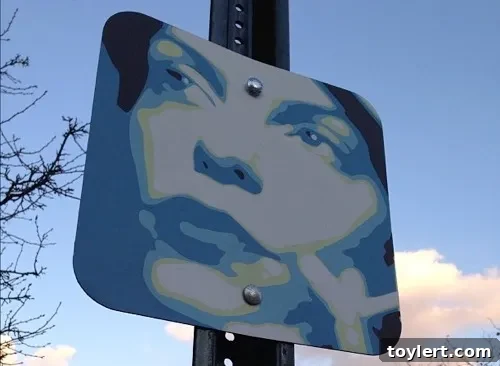
The visual landscape of Brooklyn is perpetually enriched by its dynamic street art scene. Areas like Red Hook, with their industrial charm and artistic leanings, became canvases for expression. This vibrant cultural output, exemplified by the striking street art, reflects the creative energy and unique identity of Brooklyn’s neighborhoods. It’s a constant reminder that even amidst challenges, the borough’s artistic soul thrives, contributing to its global reputation as a cultural hotspot.
Photo by MenchacaPhotos
Navigating Development and Environmental Concerns
Brooklyn’s rapid growth has been a defining characteristic for decades, bringing with it both opportunities and complex challenges. The period following Sandy saw intense discussions around major urban development projects and crucial environmental stewardship, reflecting the ongoing tension between progress and preservation.
The Atlantic Yards Saga Continues: A Borough Divided
The Atlantic Yards project, anchored by the Barclays Center, remained a significant point of interest and contention. The development plans for its first residential tower, B2, generated considerable public discourse, touching upon critical aspects of urban planning. Questions regarding timing, costs, and affordability were paramount, as communities sought assurances that such large-scale endeavors would truly benefit existing residents and contribute positively to the urban landscape. Meetings to discuss the First Tower Design were opportunities for public input, highlighting the democratic processes inherent in New York’s development scene.
Beyond the architectural plans, the economic impact of the Barclays Center was also under scrutiny. Reports questioning “More Hiring at Barclays: Enlarging Pool or Coping With Layoffs?” by AYR reflected ongoing concerns about job creation promises and the long-term economic sustainability of such massive projects. These discussions underscored the community’s desire for transparency and accountability from developers and city planners alike.
Environmental Stewardship and Urban Expansion: A Delicate Balance
A particularly alarming proposal brought environmental concerns to the forefront: a developer seeking to use toxic sludge as landfill to expand Brooklyn, as reported by DNAinfo. This controversial idea immediately sparked outrage and ignited a crucial debate about environmental ethics, public health, and sustainable urban expansion. Such proposals underscore the constant vigilance required from both residents and environmental advocates to protect Brooklyn’s natural resources and ensure responsible development practices.
Community Challenges and Social Issues in Brooklyn
Amidst recovery and development, Brooklyn’s communities continued to grapple with an array of social issues, from ensuring public safety to preserving essential educational institutions and addressing political representation.
Standing Up to Crime: Heroes in the Neighborhood
Community safety remained a priority, and tales of everyday heroism often emerged from the fabric of Brooklyn life. The story of a Good Samaritan scaring off a would-be rapist in Bed Stuy, reported by The New York Post, was a powerful reminder of the importance of community vigilance and the courage of individuals willing to intervene. Such incidents highlight the ongoing need for robust community safety initiatives and the profound impact of collective action in preventing crime.
The Future of Education: Preserving Bed Stuy’s Pride
Educational institutions are the bedrock of any community, and the potential closure of Boys and Girls High School, a source of immense pride for Bed Stuy, sent shockwaves through the neighborhood. As reported by The New York Daily News, the prospect of losing such a vital institution raised significant questions about the future of local education, its impact on community identity, and the ongoing efforts to support and revitalize Brooklyn’s public schools. It sparked conversations about the challenges faced by long-standing educational establishments in a rapidly changing urban environment.
Delimiting Identity: Drawing the Line in Brooklyn
Issues of political representation and community boundaries are never far from the surface in a borough as diverse and dynamic as Brooklyn. The constant redrawing of lines – whether electoral, demographic, or cultural – creates an ongoing narrative about who belongs where, and how power is distributed. “In Brooklyn, They Draw the Line — Again and Again,” a piece from The New York Daily News, captured the perennial struggle over defining community borders and the implications for local governance and identity.