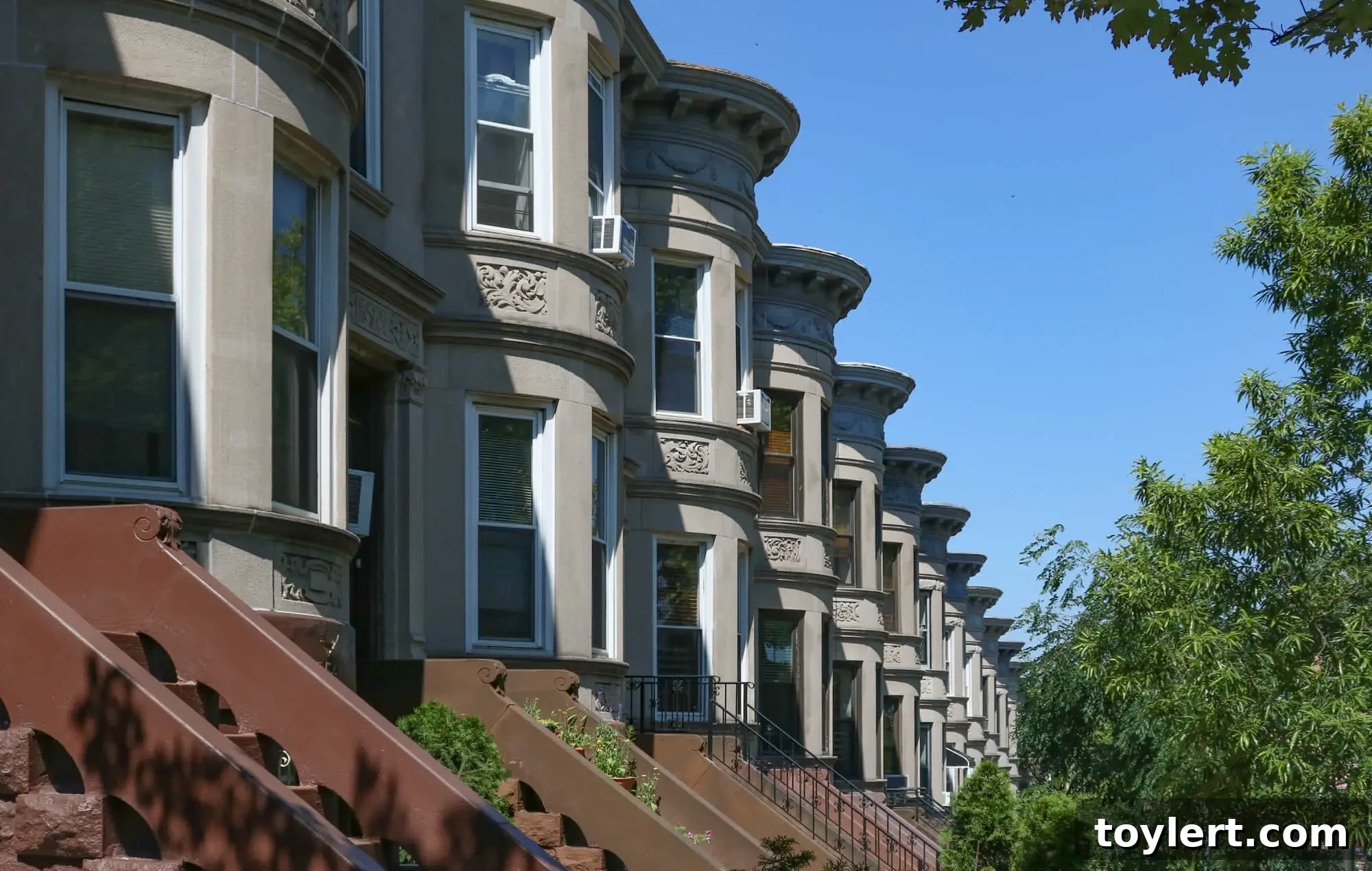
Preserving Brooklyn’s Heritage: LPC Considers Four New Historic Districts in Sunset Park
A significant step towards safeguarding the rich architectural legacy of Sunset Park, Brooklyn, is on the horizon. The New York City Landmarks Preservation Commission (LPC) has announced its intention to consider calendaring four distinct historic districts within the vibrant neighborhood. This pivotal decision, scheduled for discussion at their upcoming meeting, marks a crucial moment for preservation advocates and residents alike, underscoring a long-standing community effort to protect Sunset Park’s unique character.
The four areas under consideration are: Sunset Park North, Central Sunset Park, Sunset Park 50th Street, and Sunset Park South. These designations, if approved, would bring a substantial portion of the neighborhood under the protective umbrella of landmark status, ensuring that future development respects the historical integrity and aesthetic appeal that define Sunset Park.
A Testament to Architectural Excellence and Historical Significance
In an email outlining their agenda, the LPC highlighted the exceptional qualities that make these areas prime candidates for designation. The commission noted, “These areas contain the most cohesive and intact concentrations of high quality architecture in Sunset Park and together represent the neighborhood’s primary periods of historical and residential development.” This statement points to the remarkable preservation of specific architectural styles and urban planning principles that shaped Sunset Park from its origins in the late 19th and early 20th centuries.
Sunset Park is celebrated for its distinctive rows of brownstones, brick, and limestone townhouses, reflecting popular architectural trends of their respective eras, including Neo-Grec, Romanesque Revival, Queen Anne, and Italianate styles. These buildings, often adorned with intricate details and built with durable materials, tell the story of Brooklyn’s growth as a haven for working-class families and immigrants. The grid patterns, streetscapes, and the overall urban fabric of these proposed districts offer an immersive journey into a bygone era, providing invaluable insights into New York City’s social and architectural evolution.
The Four Proposed Historic Districts: A Glimpse into Sunset Park’s Past
Each of the four proposed districts offers a unique contribution to Sunset Park’s historical narrative:
- Sunset Park North: Often characterized by its earlier development, showcasing some of the neighborhood’s grander architectural statements and diverse building typologies.
- Central Sunset Park: Represents the heart of the community, with cohesive blocks of residential buildings that exemplify the architectural styles popular during the neighborhood’s peak growth period.
- Sunset Park 50th Street: Likely to encompass a stretch of distinctive streetscapes, perhaps reflecting a particular phase of development or a concentration of specific building types.
- Sunset Park South: Portraying the southern expansion of the neighborhood, potentially featuring slightly later architectural styles or variations in building scales that contribute to the overall historical fabric.
Together, these districts paint a comprehensive picture of Sunset Park’s development, from its initial residential boom driven by industrial expansion along the waterfront to its sustained growth as a robust, multicultural community.
A Long-Awaited Victory for Community Preservation Efforts
The desire to see a landmark district in Sunset Park is far from new; it has long existed as a deeply held aspiration within the community. For years, local residents and advocacy groups have tirelessly championed the cause of preservation, recognizing the irreplaceable value of their neighborhood’s built environment. This recent announcement from the LPC is a direct result of these sustained efforts.
A significant milestone in this journey occurred in March 2014, when the Sunset Park Landmarks Committee formally submitted their Request For Evaluation (RFE) to the LPC. This comprehensive document detailed the architectural and historical significance of various areas within Sunset Park, providing the foundational research necessary for the LPC to initiate its review process. The RFE meticulously cataloged key buildings, streetscapes, and historical contexts, making a compelling case for landmark designation. This patient and persistent advocacy highlights the power of community engagement in shaping the future of their surroundings.
The Benefits of Historic District Designation: More Than Just Buildings
Historic district designation by the LPC brings a multitude of benefits that extend far beyond the mere preservation of old buildings. It’s a comprehensive approach to urban planning that enhances quality of life, stimulates economic activity, and fosters a stronger sense of community identity.
Protecting Neighborhood Character and Aesthetic Appeal
The primary benefit is the safeguarding of Sunset Park’s distinctive architectural character. Designation ensures that alterations to existing buildings, new construction, and demolitions within the district are reviewed by the LPC to ensure they are appropriate and harmonious with the historic fabric. This prevents incompatible development that could erode the unique charm and visual cohesion of the neighborhood, maintaining the very qualities that attract residents and visitors alike.
Enhancing Property Values and Economic Stability
Numerous studies have shown that properties within historic districts often maintain or increase their value more consistently than those outside. The stability and attractiveness of a preserved historic environment can be a significant draw for potential buyers and investors. Furthermore, preservation efforts often spur local economies by creating jobs in specialized trades (restoration, craftsmanship) and by attracting heritage tourism, bringing revenue to local businesses.
Fostering Community Pride and Identity
When a neighborhood’s history is recognized and protected, it instills a strong sense of pride among its residents. Historic districts serve as tangible links to the past, reminding people of their community’s origins, struggles, and triumphs. This shared heritage strengthens social bonds and fosters a collective identity, encouraging residents to take an active role in stewardship and community life.
Promoting Sustainable Development
Preservation is inherently sustainable. Reusing existing buildings reduces the demand for new construction materials and minimizes waste. The energy embedded in historic structures is conserved, and the often superior craftsmanship and materials mean these buildings are built to last, reducing the long-term environmental footprint compared to constant cycles of demolition and rebuilding.
Educational and Cultural Enrichment
Historic districts are open-air museums, offering invaluable educational resources. They provide context for understanding urban development, architectural styles, and the social history of a city. For Sunset Park, the designated districts would become living classrooms, offering residents and visitors a deeper appreciation for Brooklyn’s diverse cultural tapestry and its role in the larger narrative of New York City.
The Landmarking Process: What Happens Next?
The LPC’s consideration of calendaring these districts is a critical juncture in a multi-step process. Understanding these steps is vital for residents and stakeholders:
- Request for Evaluation (RFE): As seen with the Sunset Park Landmarks Committee, this is often the initial push from the community, providing the historical and architectural groundwork for LPC review.
- Staff Review and Research: LPC staff thoroughly research the proposed area’s history, architecture, and current conditions.
- Calendaring: This is the stage Sunset Park is entering. When a district is “calendared,” the LPC officially accepts it for consideration, making its potential designation a public agenda item. Once calendared, properties within the proposed district are generally subject to certain interim protections, preventing major irreversible changes while the LPC continues its review.
- Public Hearing: Following calendaring, the LPC holds a public hearing where property owners, community members, and advocates can express their views and provide testimony regarding the proposed designation. This is a crucial opportunity for community voices to be heard.
- Commission Vote: After the public hearing, the LPC commissioners vote on the designation. A majority vote is required for a district to be officially designated as a historic district.
- City Council Review (in some cases): While LPC designation is usually final, in some cases, the City Council may also have a role in the review process.
- Ongoing Regulation: Once designated, properties within the historic district are subject to LPC review for exterior alterations, new construction, and demolition to ensure changes are appropriate and maintain the district’s character.
The upcoming meeting on January 22nd, where the LPC will consider calendaring, is therefore not the final decision, but a vital procedural step that officially initiates the formal public review process. It signals that the commission finds sufficient merit in the proposals to move them forward.
Looking Ahead: A Future Preserved for Sunset Park
The potential designation of four historic districts in Sunset Park represents a monumental achievement for community advocates and a testament to the enduring value of preservation. It underscores the understanding that a city’s progress should not come at the expense of its past, and that historic architecture is a non-renewable resource that enriches the lives of all New Yorkers.
As Sunset Park continues to evolve, these historic designations would provide a critical framework for managed growth, ensuring that new development complements rather than overwhelms the existing historical fabric. It is a proactive measure to secure the legacy of a neighborhood that has long stood as a beacon of immigrant history, community resilience, and architectural beauty in Brooklyn. The community now eagerly awaits the LPC’s decision, hopeful that these cherished streets and buildings will receive the protection they so rightly deserve.