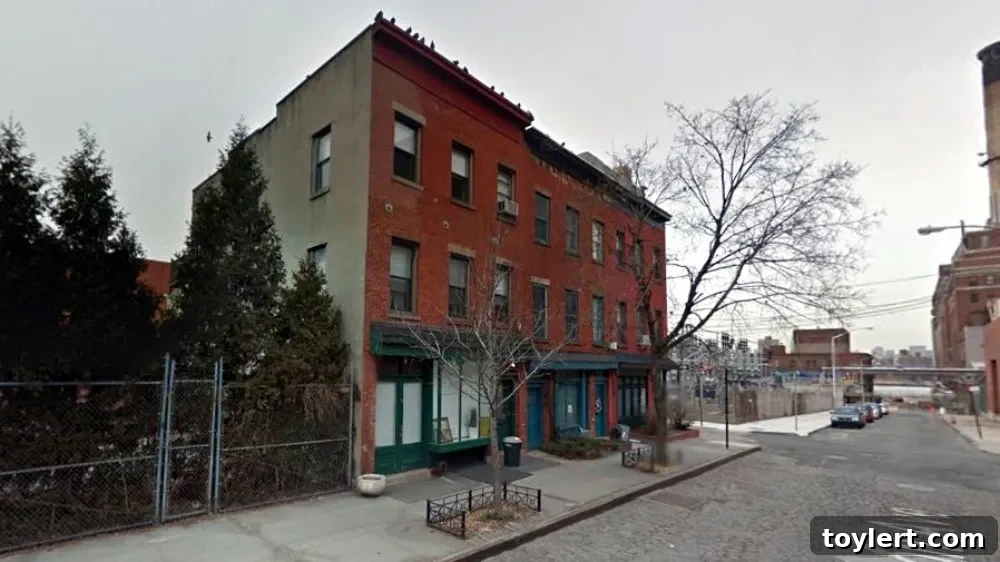
Vinegar Hill Brooklyn: Unearthing the Rich History and Architectural Legacy of 50 Hudson Avenue
Nestled along the East River waterfront in Brooklyn, Vinegar Hill stands as a captivating testament to a bygone era. This remarkably preserved neighborhood offers a rare and authentic glimpse into working-class life in pre-Civil War New York, evoking the very atmosphere that once inspired literary giants like Walt Whitman. More than just a collection of old buildings, Vinegar Hill is a living museum, where every cobblestone and brick facade tells a story of industrious residents, significant historical events, and enduring community spirit. As we delve into the unique character of this historic enclave, we’ll specifically explore the architectural significance and historical context of properties like 50 Hudson Avenue, a prime example of the neighborhood’s preserved heritage.
The Enigmatic Origins: Understanding Vinegar Hill’s Unique Identity
The name “Vinegar Hill” itself sparks curiosity, with several theories attempting to explain its derivation. While some stories point to Irish immigrants from the original Vinegar Hill in County Wexford, Ireland, others suggest a more local origin, perhaps from an incident involving the souring of wine or spirits. Regardless of its exact etymology, the neighborhood’s identity was forged early in Brooklyn’s history. Strategically positioned adjacent to the formidable Brooklyn Navy Yard, established in 1801, Vinegar Hill quickly became a vibrant hub for the skilled laborers, dockworkers, and tradespeople who supported the burgeoning naval industry. This proximity profoundly shaped the community, drawing a diverse population and fostering a unique blend of cultures and working-class ethos that remains palpable today. The narrow streets, closely packed houses, and the constant hum of activity from the nearby shipyard defined the rhythm of life in this industrious corner of Brooklyn for generations.
Architectural Echoes: Unpacking Pre-Civil War Design in Brooklyn
What truly sets Vinegar Hill apart is its extraordinary collection of antebellum architecture. Unlike many other Brooklyn neighborhoods that saw significant redevelopment in later centuries, Vinegar Hill largely retained its original fabric. Walking through its streets is like stepping back in time, surrounded by a remarkable ensemble of Federal, Greek Revival, and Italianate style townhouses. These structures, predominantly built from brick, often feature distinctive details such as dormer windows, decorative cornices, and stoops that directly address the sidewalk. The scale and design of these homes speak volumes about the lives of their original inhabitants – working families who sought sturdy, functional, and respectable dwellings close to their livelihoods. The architectural consistency, largely untouched by the grander Victorian or opulent Beaux-Arts styles that later dominated other parts of the city, provides an invaluable window into the vernacular building practices and aesthetic preferences of mid-19th century Brooklyn. Each building, including notable examples like 50 Hudson Avenue, contributes to a cohesive streetscape that tells a compelling visual story of the past.
Life in the Shadow of the Navy Yard: Walt Whitman’s Brooklyn
The period preceding the Civil War was a formative one for Brooklyn, transforming from a collection of towns into a significant urban center. Vinegar Hill, with its close ties to the Brooklyn Navy Yard, was at the heart of this transformation. This was a time when ships were built and repaired, sails were mended, and the docks buzzed with activity. The rhythm of daily life was dictated by the shipyard’s demands, and the community was tightly knit, sharing common experiences and challenges. It was precisely this vibrant, gritty, and authentic atmosphere that captivated Walt Whitman during his tenure as editor of the Brooklyn Daily Eagle (1846-1848) and later as a resident. Whitman, often walking the borough’s streets, absorbed the sights, sounds, and stories of its working people. His experiences in neighborhoods like Vinegar Hill undoubtedly informed his seminal work, “Leaves of Grass,” where he celebrated the common man, the dignity of labor, and the democratic spirit of America. To walk through Vinegar Hill today is to trace the very footsteps Whitman might have taken, imagining the conversations, the smells of the bakeries and taverns, and the unwavering spirit of a burgeoning American city.
50 Hudson Avenue: A Pillar of Vinegar Hill’s Heritage
Among the many architectural treasures of Vinegar Hill, 50 Hudson Avenue stands as a particularly evocative example of the neighborhood’s enduring character. While specific historical records for individual working-class residences can sometimes be sparse, the building’s facade, construction, and siting speak volumes. Typically, properties like 50 Hudson Avenue would have been constructed in the mid-19th century, likely between the 1830s and 1850s, when the demand for housing for Navy Yard workers and associated tradesmen was at its peak. It would have served as a home for a family, perhaps multiple families, whose livelihoods were directly tied to the maritime industries or local businesses that supported them. Its brick construction, simple yet elegant lines, and functional design are hallmarks of the period’s practical approach to urban housing. These homes were built to last, providing shelter and stability in a rapidly expanding city. They represent the bedrock of Brooklyn’s industrial past, reflecting the aspirations and daily realities of the people who built the borough, one brick at a time. Preserving structures like 50 Hudson Avenue is crucial not only for architectural enthusiasts but also for understanding the socio-economic fabric of early Brooklyn.
Modern Vinegar Hill: Preserving the Past, Embracing the Present
Today, Vinegar Hill maintains its unique allure, successfully blending its storied past with a quiet, contemporary charm. While it has seen some changes, including the adaptive reuse of old warehouses and the arrival of new residents, the core essence of the neighborhood remains remarkably intact. Unlike its more developed neighbors, Vinegar Hill has largely resisted large-scale modernization, largely due to its historic district designation, which protects its architectural integrity. This commitment to preservation ensures that the characteristic brick row houses, cobblestone streets, and mature trees continue to define its visual identity. The community cherishes its tranquil, almost hidden atmosphere, offering a serene escape within the bustling metropolis of New York City. Visitors and residents alike appreciate the sense of history that pervades every corner, from the peaceful residential blocks to the few local businesses that thrive amidst the historic backdrop. It’s a place where you can still feel the echoes of horse-drawn carriages and the whispers of 19th-century conversations, even as modern life gently unfolds.
The Enduring Legacy: The Importance of Preserving Brooklyn’s Historic Fabric
The story of Vinegar Hill, epitomized by its well-preserved streets and buildings like 50 Hudson Avenue, underscores the critical importance of urban historic preservation. In an ever-evolving city like New York, places like Vinegar Hill serve as vital anchors to the past, reminding us of the diverse narratives and foundational labor that built the metropolis. Preserving these architectural treasures is not merely about aesthetics; it’s about safeguarding cultural memory, understanding societal evolution, and providing tangible links to the lives of previous generations. It allows us to appreciate the ingenuity of early builders, the resilience of communities, and the unique contributions of working-class populations to the urban landscape. Vinegar Hill offers invaluable lessons in urban planning, historical continuity, and the inherent value of maintaining unique neighborhood identities. Its commitment to preserving its pre-Civil War character ensures that future generations can continue to walk in Walt Whitman’s footsteps, marvel at the architecture, and connect with the profound history embedded in every brick and block.