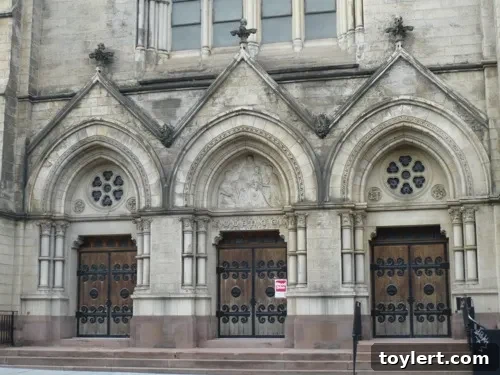
Brooklyn’s Dynamic Pulse: Unpacking the Latest Urban Developments and Community Debates
Brooklyn, a borough renowned for its vibrant culture, historic neighborhoods, and continuous evolution, remains a focal point for significant urban developments, community discussions, and shifting social landscapes. From critical real estate decisions and infrastructure projects to debates over public services and local lifestyle trends, the borough is a microcosm of New York City’s relentless pace of change. This comprehensive overview delves into recent headlines that collectively paint a picture of Brooklyn’s current state, offering insights into its growth, challenges, and the resilient spirit of its communities. Understanding these developments is crucial for anyone looking to grasp the pulse of this iconic borough, whether they are residents, potential investors, or simply admirers of Brooklyn’s unique character.
Navigating Brooklyn’s Evolving Real Estate and Development Landscape
The Shifting Sands of Rent Regulations: Board Approves Higher Increases
A pivotal decision by the Rent Board has sent ripples through Brooklyn’s rental market, approving higher rent increases than in the preceding year. This move, extensively covered by The New York Times, directly impacts thousands of tenants and landlords across the borough. For renters, particularly those in rent-stabilized units, these increases present new financial pressures, exacerbating ongoing concerns about housing affordability in a city already grappling with high living costs. The decision highlights the delicate balance between property owners’ operational expenses and the necessity of maintaining accessible housing options for Brooklyn’s diverse population. Community advocates often argue that such increases disproportionately affect lower and middle-income residents, potentially accelerating displacement and altering the demographic fabric of long-established neighborhoods. This development underscores the continuous struggle to ensure equitable housing in a rapidly gentrifying urban environment, making “Brooklyn housing market trends” and “NYC rent stabilization” key topics for discussion among policymakers and residents alike. Understanding the nuances of these rent adjustments is crucial for both current residents and prospective newcomers navigating Brooklyn’s competitive housing market.
From News Anchors to New Neighbors: NY1’s Pat Kiernan Embraces Williamsburg
In a testament to Brooklyn’s enduring appeal, acclaimed NY1 news anchor Pat Kiernan has expressed his delight with his recent move to Williamsburg, as highlighted by the NY Post. Kiernan’s choice to relocate to one of Brooklyn’s most vibrant and rapidly developing neighborhoods underscores Williamsburg’s transformation from an industrial hub into a premier residential and cultural destination. His public endorsement not only adds a touch of celebrity appeal but also reflects a broader trend of professionals and families seeking the unique blend of urban amenities, artistic flair, and community spirit that Williamsburg offers. This move further solidifies the neighborhood’s status as a highly desirable location within the metropolitan area, influencing perceptions and potentially attracting more residents who value proximity to Manhattan without sacrificing Brooklyn’s distinct charm and quality of life. The story provides a human element to the ongoing narrative of Brooklyn’s gentrification and desirability, reinforcing why “Williamsburg real estate” and “Brooklyn lifestyle” remain popular search terms for those considering a move to NYC.
Controversial Groundbreaking in Mill Basin Signals New Development
The quiet commencement of a controversial project on a Mill Basin site, reported by the NY Daily News, brings to the forefront the perpetual tension between urban development and community preservation in Brooklyn. Mill Basin, known for its suburban feel and waterfront properties, has long been a subject of interest for developers, often leading to local resistance due to concerns about increased traffic, environmental impact, and the potential disruption of neighborhood character. The “quiet” nature of the groundbreaking suggests an awareness of these sensitivities, yet it pushes forward with the borough’s relentless expansion. Such projects are vital for understanding the broader narrative of Brooklyn’s growth, illustrating how new constructions continually reshape its diverse enclaves and spark crucial conversations about sustainable development, zoning regulations, and community input in the planning process. Residents and local advocacy groups often monitor these developments closely, highlighting the importance of transparency and public engagement in shaping the future of their communities. Keywords like “Mill Basin development” and “Brooklyn urban planning” are highly relevant in this context.
Warehouse Conversion Transforms 333 Carroll Street in Gowanus
The long-anticipated warehouse conversion at 333 Carroll Street in Gowanus is edging closer to completion, a development noted by Pardon Me For Asking. This project epitomizes the ongoing transformation of Gowanus, an industrial neighborhood that has increasingly become a frontier for residential and mixed-use developments. The conversion of industrial buildings into modern living spaces is a hallmark of Brooklyn’s urban renewal, offering unique architectural styles and appealing to a demographic seeking loft-style living and proximity to burgeoning cultural scenes. However, these conversions also raise questions about gentrification, the loss of industrial job opportunities, and the environmental considerations of building in areas with historical contamination, especially given Gowanus’s Superfund status. The completion of 333 Carroll Street serves as a significant milestone in Gowanus’s evolution, reflecting the borough’s continuous effort to repurpose its industrial past for a new urban future, while also sparking dialogue about the environmental sustainability and community impact of such ambitious projects. “Gowanus development” and “Brooklyn warehouse conversions” are key terms for this transformation.
Brooklyn Public Library’s Ambitious Development Plans for Brooklyn Heights
The Brooklyn Public Library (BPL) finds itself at the center of a significant community discussion regarding its development plans for the Brooklyn Heights branch. Reports from the Wall Street Journal and NY Observer highlight BPL’s aim to redevelop or even raze the existing structure, despite earlier setbacks concerning the sale of its Pacific Branch. These plans are part of a broader strategy to modernize library facilities and generate funds for system-wide improvements. However, they have sparked considerable debate among Brooklyn Heights residents, who cherish the branch’s historic significance and worry about the impact of new construction on the neighborhood’s character. The controversy underscores the challenges public institutions face in balancing fiscal responsibility with community heritage and the demand for updated services. The outcome of these discussions will not only shape the future of a key Brooklyn Heights landmark but also set precedents for how public assets are managed and redeveloped across the borough, emphasizing the importance of community dialogue and transparent decision-making in urban planning. Keywords here include “Brooklyn Public Library redevelopment” and “Brooklyn Heights community debate.”
Critical Issues in Brooklyn’s Healthcare and Community Services
LICH Hospital Faces New Hurdles: Ambulances Barred, Protests Erupt
Long Island College Hospital (LICH) in Cobble Hill continues to be a battleground for healthcare access in Brooklyn. The NY Daily News reported on the critical decision by LICH to bar ambulances from bringing patients to the facility, a move that severely impacts emergency care for residents in Cobble Hill and surrounding areas. This alarming development, coupled with ongoing cuts to ambulance services by SUNY, has ignited fervent protests, as documented by DNAinfo. The situation at LICH exemplifies the broader crisis facing community hospitals in urban environments, where financial pressures often lead to service reductions or closures, leaving significant gaps in essential healthcare provisions. Residents and activists are rallying to preserve LICH’s full operational capacity, viewing it as a vital lifeline for their community. The ongoing struggle highlights the critical importance of accessible healthcare infrastructure and the power of grassroots movements in advocating for public welfare against institutional challenges and budgetary constraints. This saga reflects a recurring theme in urban areas: the fight to maintain essential public services amidst economic shifts and policy changes. Relevant keywords: “LICH hospital crisis,” “Brooklyn healthcare access,” and “Cobble Hill community protests.”
Brooklyn Pub Surrenders to Human Rights Commission
In a case that underscores the importance of public accommodation and anti-discrimination laws, a Brooklyn pub has reportedly surrendered to the Human Rights Commission, as detailed by The New York Times. While the specific details of the case are often sensitive and involve allegations of discrimination, such outcomes typically reinforce the city’s commitment to upholding human rights based on protected characteristics like race, gender, sexual orientation, or disability. This resolution serves as a stark reminder to all businesses operating in Brooklyn and New York City of their legal and ethical obligations to provide equal service and access to all patrons. It reinforces the city’s commitment to fostering an inclusive environment across its diverse communities. For local businesses, this case emphasizes the necessity of implementing fair practices and ensuring staff training to prevent discrimination, ultimately contributing to a more equitable and welcoming Brooklyn for everyone. The incident underscores the ongoing vigilance required to protect civil liberties and ensure justice in public spaces, making “Brooklyn human rights” and “anti-discrimination laws NYC” important topics.
Infrastructure, Safety, and Economic Development in Brooklyn
Forging the Future: Three Key Elements Eyed for Brooklyn Tech Triangle
The Brooklyn Tech Triangle, an ambitious initiative aimed at transforming Downtown Brooklyn, DUMBO, and the Brooklyn Navy Yard into a thriving innovation hub, is progressing with three key elements under scrutiny, according to Crain’s New York. This strategic focus includes attracting tech talent, fostering entrepreneurial growth, and enhancing infrastructure to support a burgeoning tech ecosystem. The Tech Triangle represents a significant investment in Brooklyn’s economic future, aiming to diversify its economy beyond traditional sectors and create high-paying jobs. Success in this endeavor could solidify Brooklyn’s reputation as a global center for technology and innovation, drawing in startups, established tech firms, and a skilled workforce. However, the development also brings considerations about its impact on housing affordability, existing local businesses, and the preservation of neighborhood character, sparking debates about inclusive growth. The initiative reflects Brooklyn’s ongoing evolution as a crucial player in the broader New York City economy, highlighting its potential to become a leading hub for innovation and economic dynamism. Relevant keywords: “Brooklyn Tech Triangle,” “NYC innovation hub,” and “Brooklyn economic development.”
Public Safety Concerns Rise on Bushwick Nightlife Strip
A disturbing trend has emerged on Bushwick’s popular nightlife strip, with a rash of late-night robberies hitting the area, as reported by DNAinfo. This surge in criminal activity poses significant concerns for residents, business owners, and visitors who frequent the lively entertainment district. Bushwick has experienced tremendous growth and gentrification over the past decade, attracting a vibrant arts scene and a burgeoning array of bars and restaurants. However, with increased foot traffic and late-night activity, ensuring public safety becomes paramount. Local authorities and community groups are often urged to collaborate on strategies to enhance security, which may include increased police presence, improved street lighting, and community watch programs. Addressing these safety issues is crucial for maintaining Bushwick’s appeal as a cultural destination and ensuring the well-being of its diverse community, reinforcing the need for continuous vigilance and proactive measures in rapidly developing urban areas. “Bushwick crime rate,” “Brooklyn nightlife safety,” and “community policing Bushwick” are important topics here.
Subway Track Work Impacts Bushwick: J/Z Line Closures Until September
Commuters and residents in Bushwick are facing significant disruptions due to ongoing subway track work that will shut down streets by the J/Z line until September, according to DNAinfo. Such infrastructure projects, while necessary for the long-term maintenance and improvement of New York City’s vital public transit system, invariably cause short-term inconveniences. For Bushwick, a neighborhood heavily reliant on subway access, these closures impact daily commutes, local businesses, and overall neighborhood mobility. The Metropolitan Transportation Authority (MTA) typically implements alternative transport options, but these rarely fully compensate for the efficiency of direct subway service. This situation highlights the perpetual challenge of urban infrastructure management: balancing the need for modernization and repair with the daily lives of millions of city dwellers. Effective communication from the MTA and adaptability from residents are key to navigating these periods of essential urban development, underscoring the resilience of Brooklyn commuters. “Bushwick subway disruptions,” “MTA service changes,” and “Brooklyn transportation updates” are vital keywords for those affected.
Lifestyle and Architectural Splendor: A Glimpse into Brooklyn Homes
Touring a Designer-Renovated Brooklyn Brownstone: JoAnn Berman’s Vision
Beyond the headlines of development and policy, Brooklyn’s intrinsic charm is often found in its iconic brownstones and the unique lifestyles they encapsulate. Inhabitat offers an exclusive tour of a fabulous Brooklyn brownstone, meticulously renovated by NYC fashion designer and homeowner JoAnn Berman. This feature provides a captivating glimpse into the intersection of historical architecture and contemporary design, showcasing how Brooklyn residents infuse their homes with personal style while preserving the borough’s architectural heritage. Berman’s renovation exemplifies the creative spirit prevalent in Brooklyn, where unique aesthetics meet functional living. Such tours inspire homeowners and design enthusiasts, highlighting innovative approaches to urban living and the continuous appeal of Brooklyn’s distinctive housing stock. It’s a reminder that amidst the grand narratives of urban change, individual homes remain canvases for self-expression and testaments to the enduring allure of Brooklyn living. “Brooklyn brownstone renovation,” “JoAnn Berman design,” and “Brooklyn interior design” capture the essence of this lifestyle piece.
Conclusion: Brooklyn’s Unfolding Narrative
From the ongoing debates surrounding healthcare and public library redevelopments to the dynamic shifts in its real estate market and the strategic growth of its tech sector, Brooklyn continues to be a borough defined by its vibrant energy and constant evolution. Each headline, whether detailing a new construction, a community protest, or a shift in urban policy, contributes to the rich, multifaceted narrative of this iconic New York City borough. These developments underscore the challenges and opportunities inherent in urban life, showcasing Brooklyn as a place where history meets innovation, and community voices actively shape its future. The discussions around rent increases, hospital services, and infrastructure projects reveal the critical decisions that influence the daily lives of residents, while stories of personal relocation and architectural renovation highlight the borough’s enduring appeal. Staying informed about these changes is essential for anyone interested in the pulse of New York City, as Brooklyn undeniably remains at the forefront of urban transformation, steadfast in its character while relentlessly embracing new chapters. Its ability to continuously reinvent itself, while honoring its deep roots, solidifies its position as one of the most compelling urban centers in the world.