Labor Day in 1887 Brooklyn: A Glimpse into Parades, Sports, and Community Spirit
For the bustling residents of Brooklyn in 1887, seeking a vibrant way to celebrate the nascent Labor Day holiday, the Brooklyn Daily Eagle served as the ultimate guide to local festivities. On Sunday, September 4th, the esteemed newspaper published an insightful list of engaging events, functioning much like a 19th-century events calendar for the burgeoning city. This invaluable historical artifact not only predicted that “the Labor Day parade, which takes place tomorrow, will be the largest of its kind which has ever taken place in this city, weather permitting,” but also meticulously highlighted an array of other Brooklyn festivities designed to honor the holiday and its profound significance for the working class.
The Genesis of a Workers’ Holiday: Understanding Labor Day’s Roots
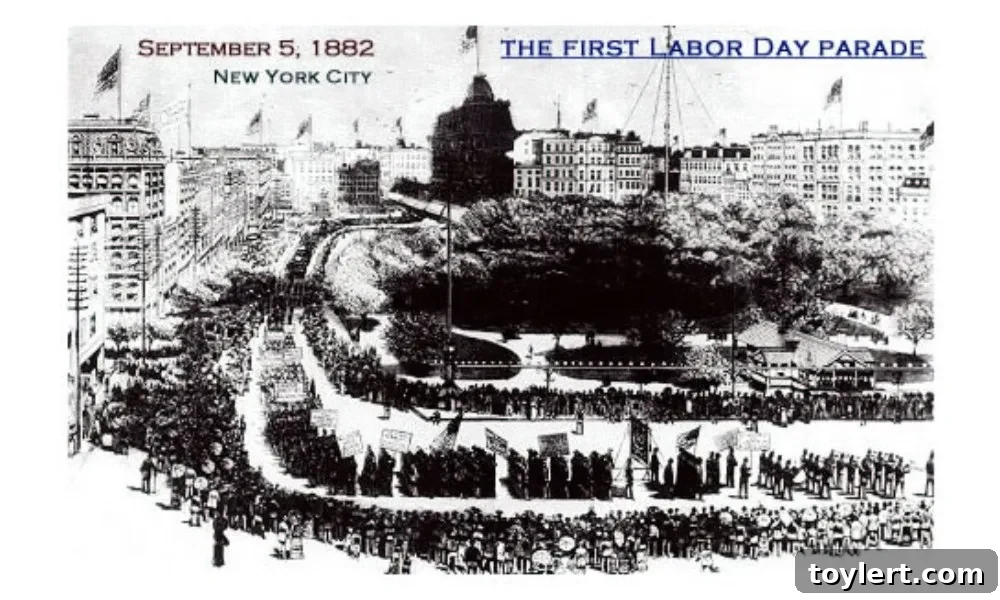
To truly appreciate the excitement surrounding Labor Day in 1887 Brooklyn, it’s essential to understand the holiday’s relatively recent origins. Born from the fervent labor movement of the late 19th century, Labor Day emerged as a tribute to the contributions and resilience of the American worker. The very first Labor Day parade, a momentous display of solidarity and strength, occurred on September 5, 1882, in New York City’s Union Square, an event vividly captured in historical illustrations. By 1887, while not yet a federal holiday, Labor Day had already gained recognition in many states, including New York, making it a pivotal occasion for working-class communities.
During this period, Brooklyn was not just a borough; it was a major city in its own right, experiencing rapid industrial growth and a massive influx of immigrants. Its diverse population comprised a significant portion of the nation’s workforce, making the celebration of Labor Day particularly meaningful. The holiday was more than just a day off; it was an opportunity for unions to demonstrate their collective power, for communities to gather, and for individuals to enjoy well-deserved leisure and camaraderie. The Brooklyn Daily Eagle‘s detailed coverage underscores the importance placed on these inaugural celebrations by both civic leaders and the general populace.
Brooklyn’s 1887 Spectacle: A City United in Celebration
The anticipation for the 1887 Labor Day parade in Brooklyn was palpable. The Brooklyn Daily Eagle‘s pronouncement of it being “the largest of its kind” ever seen in the city spoke volumes about the growing strength of the labor movement and the borough’s enthusiastic embrace of the holiday. Such a parade would have been a magnificent display of collective identity, featuring a diverse array of trade unions marching proudly under their respective banners, accompanied by lively brass bands and perhaps even elaborate floats depicting various trades. Each step taken down Brooklyn’s historic streets would have resonated with the spirit of solidarity and a demand for fair labor practices.
The newspaper’s caveat, “weather permitting,” also offers a charming glimpse into the realities of 19th-century life. Without modern meteorological forecasting, event organizers and attendees alike were beholden to the whims of nature. A clear, sunny day promised a grand success, while rain could dampen spirits and attendance, underscoring the simple yet profound reliance on the elements for public gatherings.
Beyond the March: Engaging Events Across Brooklyn
While the parade was undoubtedly the centerpiece, Labor Day in 1887 Brooklyn offered a rich tapestry of other events, catering to diverse interests and communities. The Brooklyn Daily Eagle highlighted several intriguing options, each reflecting a unique facet of the city’s social and cultural landscape:
-
The Journeyman Butcher’s Protective Union Games: This highlight suggests that even serious unions understood the value of recreation and community bonding. An afternoon of games, perhaps featuring strength contests, races, or other lighthearted competitions, would have provided a much-needed respite from the demanding work of a butcher. The humorous speculation in the original article about participants bringing their own meat cleavers hints at the robust, sometimes rugged, character associated with such trades, adding a touch of period charm to the historical record. These events allowed union members to connect outside of official meetings and demonstrations, fostering a stronger sense of fraternity.
-
The Annual Festival of the Brooklyn Turn Verein: For those unfamiliar with the term, a “Turn Verein” was a German-American athletic and social club, a prominent feature in many American cities with large German immigrant populations during the 19th century. These organizations played a crucial role in promoting physical fitness, gymnastics (known as “Turnen”), and German culture and language. Brooklyn, with its significant German community, naturally hosted a thriving Turn Verein. Their annual festival would have been a vibrant celebration of physical prowess, cultural heritage, and community spirit, featuring athletic demonstrations, folk dances, music, and social gatherings. It offered a profound connection to their ancestral traditions while integrating into American life.
-
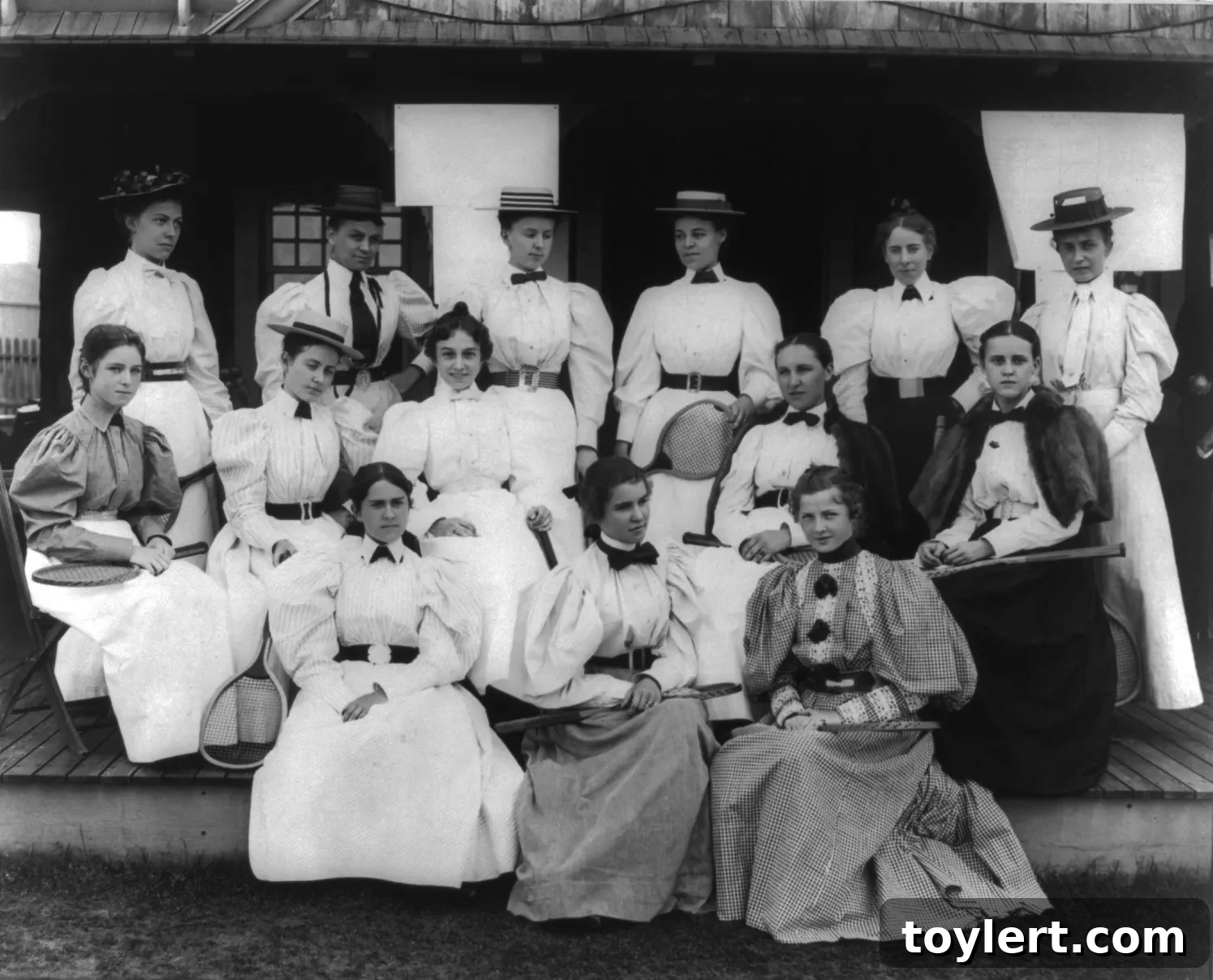
Brooklyn Lawn Tennis Club Tournament: The promise of “useful and ornamental” prizes might have been a compelling draw for those looking to engage in more refined sporting pursuits. The late 19th century saw the rising popularity of lawn tennis, moving from an aristocratic pastime to a more broadly embraced amateur sport. The Brooklyn Lawn Tennis Club’s tournament reflects this growing trend, offering a chance for both competition and social interaction. The image provided, showcasing the national women’s tennis team of 1895, further contextualizes this, illustrating the burgeoning involvement of women in sports during an era of significant social change. These tournaments were not just about winning; they were social events, where participants and spectators alike could mingle and enjoy a day out.
-
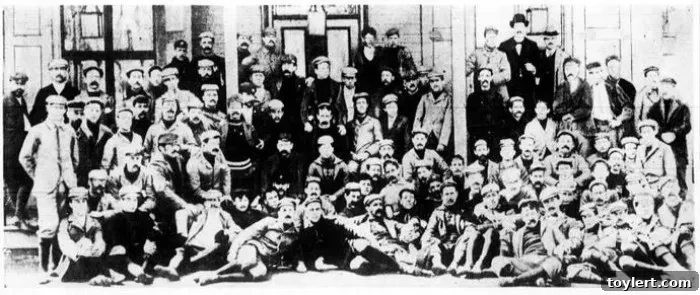
Prospect Harriers and Nassau Wheelmen Athletic and Cycling Tournament: This intriguingly named event brings to light the immense popularity of cycling and amateur athletics during the Gilded Age. The “Wheelmen” were prominent cycling clubs, whose members not only raced but also advocated for better roads and were key figures in the early days of bicycle culture. Bicycles, still relatively new and evolving from high-wheelers to safety bicycles, symbolized freedom, speed, and modernity. The “Harriers” suggests a running or track-and-field component. While “whether it involved the runners racing the cyclists is unclear,” the combination points to a dynamic and diverse athletic spectacle, celebrating physical endurance and skill. The accompanying photograph of the Kings County Wheelmen bicycle club at an outing in 1894 beautifully illustrates the social and recreational aspect of these cycling groups, showcasing their camaraderie and love for exploration on two wheels.
A Window into Gilded Age Brooklyn
These diverse Labor Day events in 1887 Brooklyn offer a fascinating microcosm of Gilded Age America. They reveal a society grappling with the transformative power of industrialization, the rise of organized labor, and the evolving nature of leisure. The presence of ethnic-specific organizations like the Turn Verein highlights the rich tapestry of immigrant communities shaping the city’s identity. Meanwhile, the popularity of sports like tennis and cycling points to a growing middle class with disposable income and a desire for recreational pursuits that mirrored societal advancements and aspirations.
The Brooklyn Daily Eagle, a titan of local journalism, played a critical role in chronicling these moments, acting as a vital link between the city’s various communities and the broader historical narrative. Its detailed reporting allows us today to peer back in time and appreciate the vibrancy and complexity of life in Brooklyn during a pivotal era.
The Lasting Legacy of Labor Day
The Labor Day celebrations in 1887 Brooklyn were more than just isolated events; they were formative moments in the holiday’s development and a testament to the enduring spirit of the American workforce. These early parades, athletic tournaments, and community gatherings laid the groundwork for the modern Labor Day, transforming it from a mere protest into a cherished national holiday that honors the contributions of workers while providing a final flourish to the summer season.
By examining these historical snapshots, we gain a deeper appreciation for the individuals and organizations that shaped Brooklyn’s past and contributed to the larger narrative of American labor history. The echoes of those 1887 celebrations — the calls for fair treatment, the joy of community, and the simple pleasure of a well-earned day off — continue to resonate, reminding us of the profound journey of the labor movement and the rich cultural heritage embedded within our national holidays.