Downtown Brooklyn’s Schermerhorn Street Transformation: A Case Study in Urban Balancing Acts
Downtown Brooklyn is a dynamic nexus of commerce, culture, and community, constantly evolving to meet the needs of its diverse inhabitants. Recently, the thoroughfare of Schermerhorn Street underwent a significant redesign, bringing long-awaited improvements aimed at enhancing safety for all road users. At the heart of this transformation is a new protected bike lane, a critical addition designed to foster safer cycling and encourage sustainable transportation. However, this forward-thinking initiative, while lauded for its safety benefits, has also introduced unforeseen challenges, particularly concerning vehicle traffic flow, prompting local residents and city officials to seek effective solutions.
The core objective of the Schermerhorn Street overhaul was clear: to create a safer environment for cyclists, pedestrians, and drivers navigating this busy urban corridor. For years, the lack of dedicated cycling infrastructure on major Brooklyn streets posed significant risks. The redesigned street, with its robust protected bike lane, marks a pivotal step towards a more bike-friendly Downtown Brooklyn, aligning with broader city-wide goals of reducing traffic accidents and promoting greener commuting options. This vital improvement is expected to significantly boost cyclist confidence and safety, making two-wheeled travel a more appealing option for many.
Embracing Sustainable Mobility: The Impact of Protected Bike Lanes
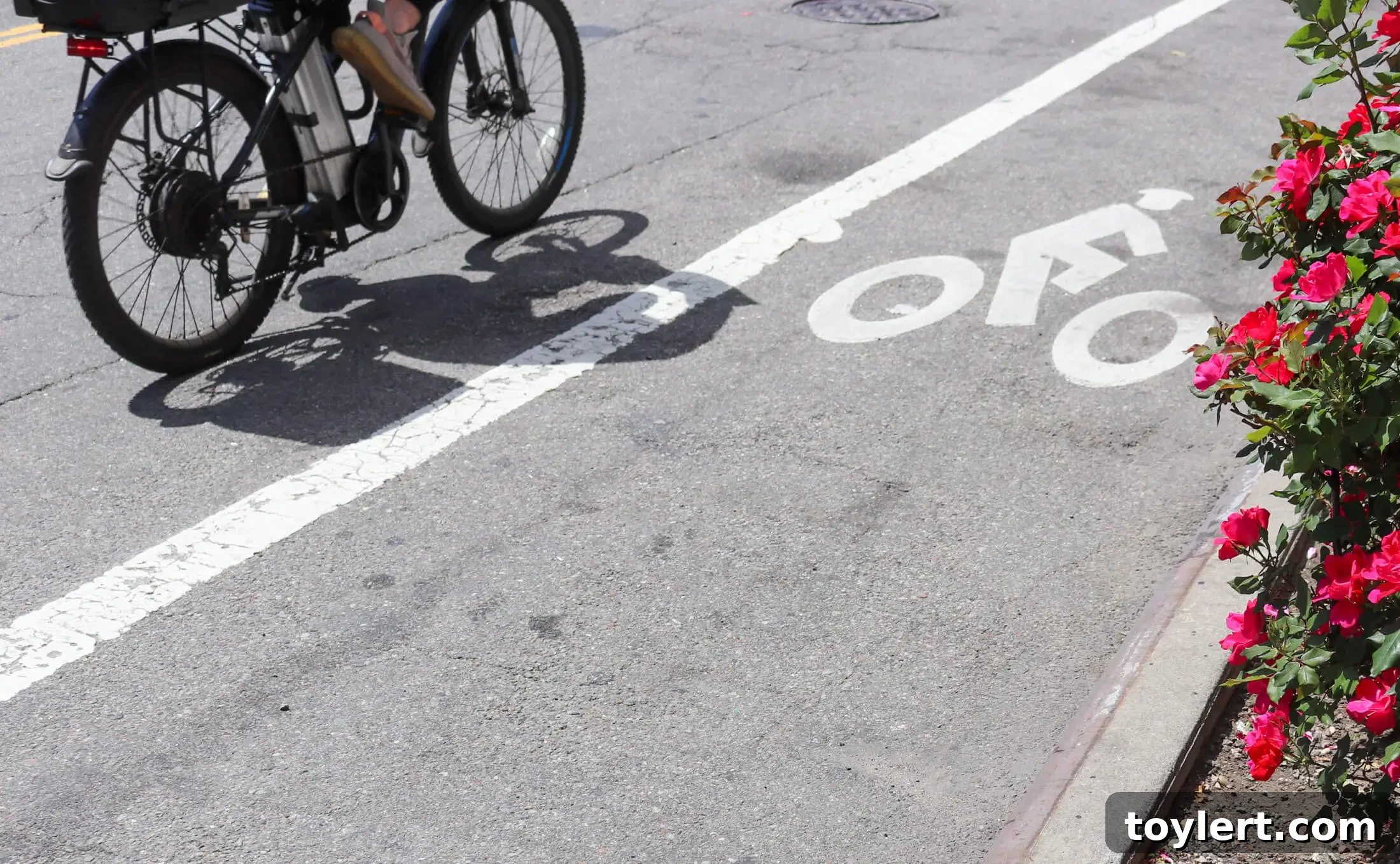
The introduction of a two-way protected bicycle lane on Schermerhorn Street represents a significant victory for urban cyclists and advocates of sustainable transportation. Protected bike lanes, physically separated from vehicle traffic by barriers, parked cars, or curbs, are proven to dramatically reduce cycling accidents and injuries. They provide a safe haven for riders, encouraging more people to choose bicycles for their commutes and daily errands. This, in turn, contributes to less vehicular traffic, reduced carbon emissions, and improved air quality – benefits that extend far beyond the immediate cycling community to enhance the overall livability of Downtown Brooklyn.
Moreover, protected bike lanes often lead to a greater sense of order on the streets. By clearly delineating space for different modes of transport, they can make interactions between drivers, cyclists, and pedestrians more predictable and less stressful. The new lane on Schermerhorn Street, stretching between Smith Street and 3rd Avenue, is a testament to the city’s commitment to prioritizing vulnerable road users and fostering a more equitable urban landscape. This infrastructure not only safeguards lives but also promotes public health by encouraging active lifestyles, making the streets of Downtown Brooklyn more accessible and enjoyable for everyone.
The One-Way Conundrum: Traffic Bottlenecks Emerge
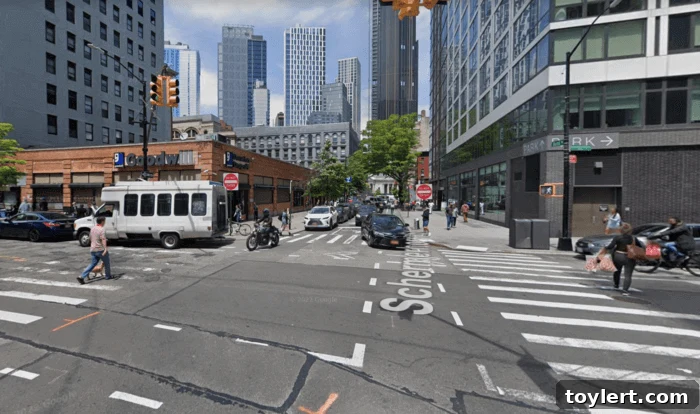
To accommodate the generous dimensions of the new two-way protected bicycle lane, the Department of Transportation (DOT) implemented a crucial change: Schermerhorn Street was converted to one-way eastbound between Smith Street and 3rd Avenue. This modification necessitated the elimination of a vehicle traffic lane, a common trade-off in urban redesigns aimed at reallocating street space. While this decision was essential for realizing the bike lane’s full potential, it has, however, created an unexpected and significant challenge for local drivers and residents: severe traffic congestion and difficulty navigating northbound routes.
The primary issue stems from the existing street network surrounding Schermerhorn. Most of the streets that intersect Schermerhorn Street are already configured as one-way southbound. This configuration means that drivers attempting to travel north from south of Schermerhorn Street – particularly towards major arteries like Fulton Street – now face a convoluted and often frustrating journey. The elimination of a westbound lane on Schermerhorn, coupled with the southbound flow of perpendicular streets, has effectively created a bottleneck, forcing drivers to take extensive detours or endure significant delays. This unforeseen consequence has transformed daily commutes and local errands into exasperating experiences for many.
Community Outcry: Residents and Council Member Demand Solutions
The impact of these traffic pattern changes has not gone unnoticed by the Downtown Brooklyn community. Residents, accustomed to navigating their neighborhood with relative ease, now find themselves ensnared in gridlock, experiencing longer travel times, increased fuel consumption, and heightened frustration. This dissatisfaction quickly escalated, prompting Council Member Lincoln Restler to address the issue directly with the Department of Transportation. In an October 6 letter to DOT Brooklyn Borough Commissioner Keith Bray, Council Member Restler articulated the widespread concern, stating, “As a result of the one-way conversion on Schermerhorn, our offices have received numerous complaints regarding the conversion’s impact on traffic patterns on surrounding streets.”
The core of these complaints, as highlighted by Restler, is the critical absence of viable northbound connections south of Schermerhorn Street, specifically within the stretch between Smith Street and Flatbush Avenue. This lack of clear and efficient northbound routes disproportionately affects residents living in the immediate vicinity, making simple tasks like driving to work, picking up children, or accessing essential services unnecessarily arduous. Brooklyn Community Board 2 has also echoed these concerns, underscoring the necessity for a prompt and effective resolution that considers the daily realities of local residents and businesses. The community’s unified voice underscores the urgency of finding a balance between enhancing cyclist safety and maintaining efficient urban flow for all modes of transport.
Seeking a Path Forward: Exploring Potential Solutions with the DOT
Recognizing the significant impact on local traffic patterns and resident quality of life, the city’s Department of Transportation has acknowledged the issue and is actively considering solutions. Urban planning and traffic engineering are complex disciplines, particularly in dense metropolitan areas like Downtown Brooklyn, where every street modification can have ripple effects throughout the network. The challenge lies in devising an intervention that alleviates the northbound traffic congestion without compromising the safety benefits gained by the new protected bike lane or creating new problems elsewhere.
One promising proposal, highlighted by Council Member Restler and Brooklyn Community Board 2, involves reconfiguring Bond Street. Currently, Bond Street operates as one-way northbound up until Schermerhorn Street, at which point it abruptly switches to one-way southbound. The suggestion is to extend Bond Street’s northbound direction past Schermerhorn Street. This modification would provide a crucial and much-needed northbound egress from the neighborhood, offering residents a direct and easy way to access destinations north of Schermerhorn without embarking on lengthy detours. Such a change would require careful traffic studies and potentially adjustments to signal timing, but it presents a concrete step towards mitigating the current gridlock.
The Broader Implications: Balancing Urban Mobility and Liveability
The situation on Schermerhorn Street is a microcosm of the larger challenges faced by rapidly developing urban centers. As cities strive to become more sustainable, equitable, and livable, they often re-evaluate how public space, particularly street space, is allocated. The push for more protected bike lanes, wider sidewalks, and enhanced public transit often comes with the necessity of reconfiguring existing vehicular routes, which can sometimes lead to localized disruptions. The key is to implement these changes with a holistic understanding of urban dynamics and a commitment to continuous adaptation and community engagement.
Downtown Brooklyn, with its burgeoning residential population and vibrant commercial activity, demands a transportation network that is robust, adaptable, and serves all its constituents. The redesign of Schermerhorn Street, while a positive step for cyclist safety, underscores the critical importance of anticipating the full spectrum of impacts when implementing significant infrastructural changes. It highlights the delicate balance between promoting active transportation, ensuring pedestrian safety, and maintaining efficient access for vehicular traffic, including local residents, delivery services, and emergency vehicles. Effective urban planning requires not just visionary design but also proactive problem-solving and a responsive dialogue with the communities affected.
Looking Ahead: Towards a More Integrated Downtown Brooklyn
As the Department of Transportation continues its evaluation, the focus remains on crafting a solution that addresses the current traffic challenges while upholding the safety and environmental benefits of the Schermerhorn Street redesign. Any proposed changes will undoubtedly undergo rigorous assessment to ensure they integrate seamlessly into the broader Downtown Brooklyn traffic scheme and effectively alleviate the northbound access issues. This collaborative effort between city agencies, elected officials, and community groups is essential for achieving a truly balanced and sustainable urban environment.
The ongoing dialogue surrounding Schermerhorn Street is a testament to the dynamic nature of urban development. It demonstrates that even the most well-intentioned improvements can have complex consequences, and that continuous adaptation and community-centered solutions are vital. Ultimately, the goal is to create a Downtown Brooklyn where all residents and visitors can move safely, efficiently, and enjoyably, whether they choose to walk, bike, or drive. The eventual resolution to the Schermerhorn Street traffic conundrum will serve as a valuable lesson in the continuous pursuit of urban excellence and integrated mobility.