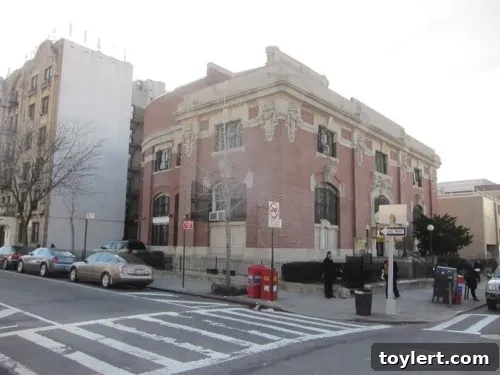
The Future of Pacific Street Library: Brooklyn Community Rallies Against Proposed Relocation
The fate of the cherished Pacific Street Library Branch has ignited a fervent community debate across Brooklyn Heights and Boerum Hill. Following the city’s announcement of plans to relocate the Pacific Street Library Branch to the nascent Two Trees development near BAM and subsequently sell its current, historic building, residents have voiced significant concerns. This proposed transformation represents more than just a change of address; it symbolizes a pivotal moment for urban development, the preservation of public spaces, and the indispensable role of local libraries in New York City’s evolving landscape.
While the actual move is not imminent—given that the Two Trees construction has yet to break ground—local elected officials recognize the urgency of proactive community engagement. They believe now is the opportune moment to galvanize residents, fostering a strategic dialogue to address anxieties and shape the library’s future. This proactive stance underscores the democratic process at work, where local voices strive to influence decisions impacting their neighborhoods deeply.
Understanding the City’s Vision: Modernization and Development
The city’s proposition to relocate the Pacific Street Library is often framed within a broader narrative of urban modernization and strategic asset management. Proponents argue that selling older, potentially underutilized or costly-to-maintain library buildings can generate essential revenue for the Brooklyn Public Library system. This capital could then be reinvested into creating state-of-the-art facilities, expanding digital resources, and enhancing programming across the borough. A new library within the Two Trees development, envisioned as a vibrant cultural and residential hub adjacent to the Brooklyn Academy of Music (BAM), could theoretically offer a more modern, accessible, and technologically advanced space, catering to the evolving needs of contemporary library patrons.
The Two Trees development itself is a large-scale project designed to integrate diverse urban functions, including housing, retail, and public spaces. Placing a modern library within such a dynamic new complex could potentially increase its visibility and draw a wider demographic of users. This approach reflects a trend in urban planning where public amenities are integrated into large-scale private developments, aiming for a symbiotic relationship that benefits both the developers and the community. However, this model also inherently raises questions about the public good versus private interest, sparking robust discussions among residents and stakeholders.
The Pacific Street Library: A Historical and Social Cornerstone
For generations, the Pacific Street Library has been far more than a building holding books; it has been a profound social and intellectual anchor for the Brooklyn Heights and Boerum Hill communities. Its historic facade and familiar interiors evoke a sense of permanence and continuity, serving as a silent witness to countless moments of learning, discovery, and community interaction. Public libraries universally stand as bastions of free access to knowledge, digital literacy, and cultural enrichment, making them indispensable institutions in any equitable society. They offer a vital safety net for those without home internet access, a quiet sanctuary for students, a vibrant programming space for children, and a meeting point for diverse community groups.
The specific charm and established presence of the Pacific Street branch have contributed significantly to the unique character and identity of its surrounding neighborhoods. Its long-standing role as a neighborhood hub means that any proposed change is met with deep emotional and practical considerations. Residents have built routines, memories, and connections within its walls, making its potential displacement feel like a loss of a communal heritage. This profound attachment is a testament to the library’s successful integration into the daily lives of thousands, underscoring its value beyond mere architectural aesthetics.
Community Concerns: A Multifaceted Debate
The wave of community concern articulated since the initial announcement is rooted in a multifaceted array of issues that extend beyond mere sentimentality for an old building. While the historical significance is undoubtedly a factor, residents are primarily concerned with the practical implications and potential negative impacts of such a relocation:
- Accessibility Challenges: The current location is conveniently situated within walking distance for a significant portion of the community, including elderly residents, families with young children, and individuals with mobility constraints. Relocating, even a short distance, could introduce new logistical hurdles, potentially deterring some from accessing essential services.
- Continuity and Quality of Services: There is genuine apprehension that the transition period might lead to disruptions in services or that a new facility, despite being modern, might not fully replicate the comprehensive range and quality of programs currently offered. Doubts persist about whether a new, potentially smaller or differently configured space can truly serve the diverse needs of the existing patron base.
- Gentrification and Public Asset Disposition: Many residents perceive the sale of a public asset like the library as part of a broader trend of gentrification, where public spaces are privatized or repurposed to fuel commercial development. This raises critical questions about equity, who ultimately benefits from urban growth, and whether such decisions adequately prioritize long-term community welfare over short-term financial gains.
- Transparency and Genuine Public Input: A common grievance centers on the perceived lack of robust community engagement and transparency during the initial decision-making phase. Residents often feel that their input is sought after decisions have already been made, leading to a sense of disenfranchisement and fueling skepticism about the city’s commitment to truly collaborative planning.
- Financial Scrutiny: While the revenue generation for the library system is a stated goal, there is often a desire for greater transparency regarding the financial specifics: how much will the sale generate, how exactly will those funds be allocated, and what guarantees exist that the proceeds will directly benefit the branch or the wider community it serves?
These concerns collectively highlight a critical tension inherent in rapidly developing urban environments: the delicate balance between the drive for modernization and efficiency versus the community’s profound need for stability, established public infrastructure, and a meaningful voice in shaping their shared future.
Local Leadership Steps Forward: Facilitating Community Empowerment
In response to the growing unease and recognizing the need for structured dialogue, local political representatives have proactively stepped in to support and empower the community. Councilman Levin, Assemblywoman Millman, and Senator Montgomery have taken the initiative to co-host a community strategy and planning meeting. Their involvement is critical, as these officials serve as direct advocates for their constituents, bridging the gap between local sentiment and city-level policymaking. By organizing such forums, they provide a legitimate platform for residents to articulate their positions, consolidate their concerns, and collaboratively forge a unified strategy for effective advocacy.
These types of community meetings are indispensable components of a healthy democratic process. They offer residents not just a chance to air grievances but also to:
- Information Exchange: Disseminate accurate information, clarify ambiguities, and ensure all participants are working from a common factual base regarding the proposed plan.
- Collective Goal Setting: Translate individual anxieties into concrete, actionable demands or well-reasoned alternative proposals that can be formally presented to city officials and the Brooklyn Public Library administration.
- Consensus Building: Facilitate discussions that help diverse groups within the community find common ground, fostering a stronger, more cohesive front for advocacy efforts.
- Strategic Planning: Develop practical action plans, which might include organizing petitions, public demonstrations, engaging with media, or lobbying relevant governmental bodies and stakeholders.
- Demonstrate Unity and Strength: By showing a robust, organized, and informed community, residents can exert greater influence and signal to decision-makers the depth of public investment in the issue.
The proactive engagement from these elected officials underscores their commitment to ensuring that the community’s invaluable perspective is not merely heard but effectively integrated into the ongoing decision-making process concerning the library’s vital future.
The Upcoming Community Strategy and Planning Meeting: A Call to Action
Tonight presents a crucial opportunity for residents to directly contribute to and influence the trajectory of the Pacific Street Library. The community strategy and planning meeting is scheduled for 6:30 pm at the YWCA, located at 30 3rd Avenue. This gathering is specifically designed to be an internal community-focused session, providing a safe and collaborative space for residents and their political representatives to strategize, discuss next steps, and refine their collective advocacy approach.
Significantly, representatives from the Brooklyn Public Library are not slated to be in attendance at this specific meeting. This structural choice indicates that the primary objective is to allow the community to organize internally, develop a coherent message, and solidify their proposals without the immediate pressure of direct negotiation. This approach enables residents to speak candidly, build strong arguments, and establish a clear agenda before engaging directly with the institutions responsible for the relocation proposal. Such preparatory meetings are vital for identifying core leadership, establishing working committees, and setting clear, achievable objectives for future engagement with city and library officials.
Navigating the Future: Balancing Development with Public Good
The situation surrounding the Pacific Street Library serves as a microcosm for broader urban challenges faced by communities worldwide: how to reconcile the relentless pace of urban development with the profound need to preserve essential public services and the unique character of established neighborhoods. As dynamic urban centers like Brooklyn continue their rapid growth and transformation, decisions concerning public assets—be they libraries, parks, or community centers—become increasingly complex and charged with public interest.
The ongoing dialogue about the Pacific Street Library critically emphasizes the necessity for genuinely transparent governmental processes, robust and meaningful community engagement from the outset, and the pursuit of creative, inclusive solutions. These solutions must skillfully address the city’s strategic needs for growth and modernization while simultaneously safeguarding the invaluable social, cultural, and educational fabric that libraries provide to their neighborhoods. The ultimate outcome of this community’s concerted advocacy will not only determine the fate of one vital library branch but could also establish significant precedents for how similar urban development challenges are approached and resolved throughout New York City and potentially beyond.
Residents are strongly encouraged to attend tonight’s pivotal meeting, contribute their insights, and join this collective endeavor. Their active participation is crucial to ensuring that the Pacific Street Library continues to thrive as a beacon of knowledge, a hub for community connection, and a testament to civic engagement for many generations to come, whether it remains in its historic location or transitions to a new home that genuinely serves the public interest.
Photo by Nicholas Strini for PropertyShark