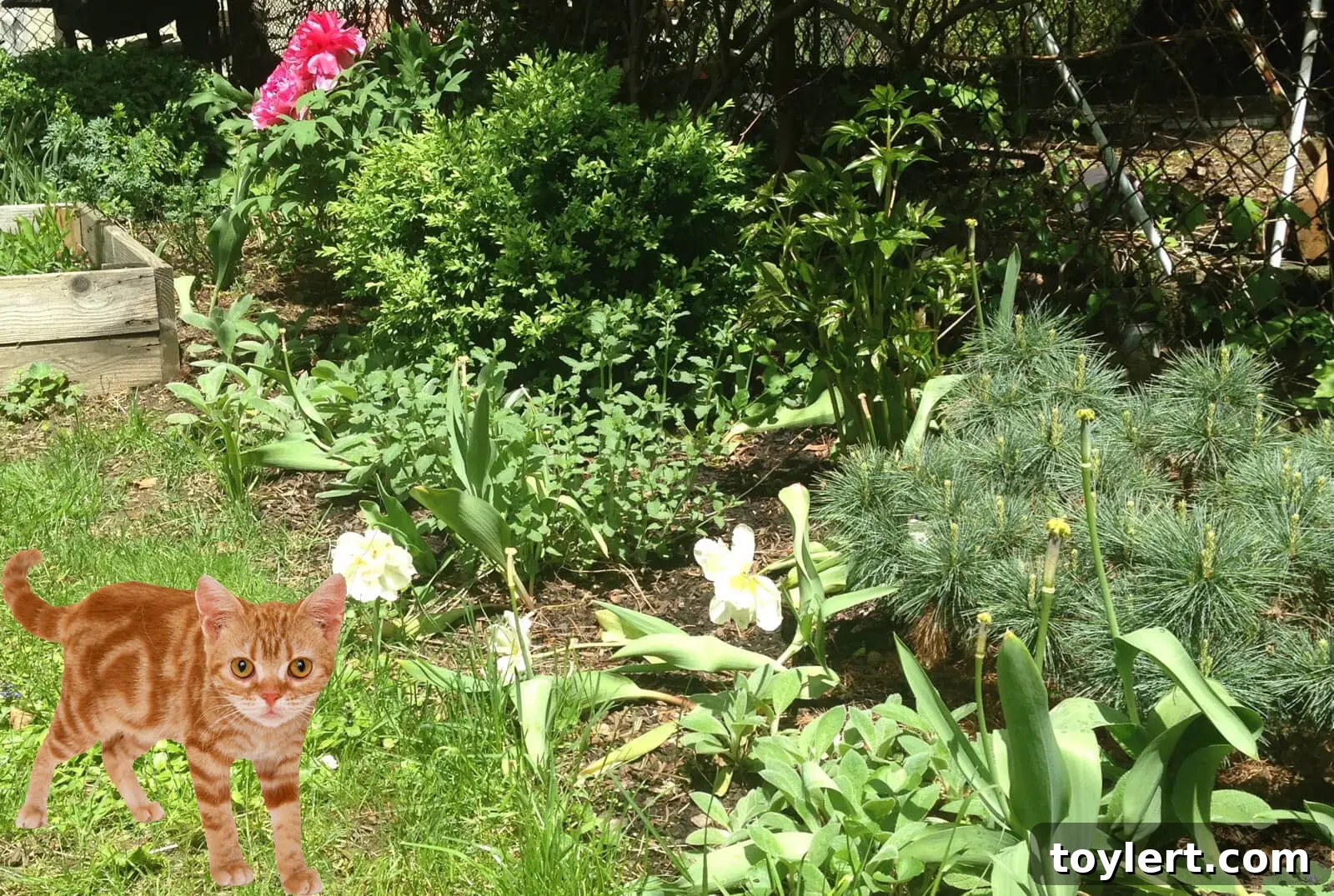
Humane Solutions: Keeping Neighborhood Cats Out of Your Backyard Safely
A pristine backyard should be a sanctuary for relaxation, play, and outdoor enjoyment. For one concerned Brownstoner reader, however, their backyard has become a source of frustration, transforming from a safe haven for their toddler into an unwelcome litter box. The culprit? A persistent neighborhood cat, making unwelcome deposits and creating unsanitary conditions. Understandably, the resident is keen to find a humane, effective solution that ensures their child’s safety and allows them to reclaim their outdoor space without resorting to harmful measures. They also have a strong suspicion about the cat’s owner, which could simplify or complicate the situation. If you’ve navigated similar challenges, your insights are invaluable. Please share your advice and experiences in the comments section below.
Dealing with feline trespassers can be a delicate balance, especially when you prioritize the well-being of all creatures, big and small. While cats are beloved pets, their instinctual behaviors, such as digging and marking territory, can pose significant hygiene risks and damage to gardens. When a backyard is a primary play area for a young child, these concerns are amplified, making a swift and considerate resolution paramount. This comprehensive guide will explore various humane strategies, from neighborly communication to effective DIY deterrents, ensuring your outdoor space remains safe and clean for everyone.
Understanding the Feline Intruder: Why Do Cats Choose Your Yard?
Before implementing any deterrents, it helps to understand why a cat might be drawn to your particular backyard. Cats are creatures of habit and are often attracted to spaces that offer easy access, soft soil for digging (which mimics a natural litter box), potential food sources, or simply a safe, quiet spot for sunbathing or napping. Identifying these attractants is the first step in effectively discouraging unwanted visits. Common reasons cats might frequent your yard include:
- Soft Soil or Mulch: Garden beds with loose soil or fresh mulch are irresistible for cats looking for a convenient spot to relieve themselves and bury their waste.
- Food Scraps: Leftover pet food, unsecured trash bins, compost piles, or even fallen seeds from bird feeders can be a tempting buffet for hungry cats.
- Shelter and Seclusion: Dense bushes, tall grasses, sheds, or other sheltered areas can offer a safe refuge from weather, predators, or other animals.
- Established Routine: Once a cat establishes a routine of visiting a particular spot, it can be challenging to break this habit, as they mark their territory with scent.
- Lack of Deterrents: If your yard offers no resistance or perceived threats, it becomes an easy and attractive target for repeat visits.
- Proximity to Home: For owned cats, your yard might simply be part of their regular roaming territory close to their own residence.
Identifying the Owner and Initiating a Neighborly Conversation
The fact that our reader suspects they know the cat’s owner presents both an opportunity and a potential hurdle. A direct, polite conversation with the owner is often the most straightforward first step. However, it requires tact and diplomacy to avoid straining neighborly relations and to ensure a constructive outcome.
Tips for Approaching the Cat Owner Respectfully:
- Choose the Right Time and Place: Approach them when both of you are calm and have ample time to talk, preferably not during a busy moment or in front of others. A casual chat over the fence or a brief knock on the door can be ideal.
- Be Calm and Factual: Avoid accusatory language. Focus on the problem (the cat mess in your yard) and its impact (your toddler’s safety and your inability to use your outdoor space), rather than blaming the cat or owner directly. Use “I” statements, such as, “I’ve noticed…” or “I’m concerned about…”
- Express Your Concerns Humanely: Frame your concerns empathetically. For example, “I’ve noticed cat waste in my backyard where my toddler plays, and I’m concerned about hygiene. I believe it might be your cat, and I was hoping we could find a solution together to keep both our properties pleasant.”
- Suggest Solutions Collaboratively: Instead of demanding, ask for their help in finding a resolution. “Would you consider keeping your cat indoors, or perhaps providing an outdoor litter box at your home to redirect their habits?” You might also suggest ideas like bell collars or ID tags if the cat is frequently exploring.
- Offer Assistance (if appropriate): If the owner seems unaware or overwhelmed, you might offer to share information on deterrents, discuss local resources for pet care, or even suggest humane ways to keep their cat stimulated indoors.
- Document Incidents: While you hope for a friendly resolution, quietly documenting dates and times of incidents, and even taking photos (without being intrusive or confrontational), can be helpful if the problem persists and further action is needed. This provides objective evidence if you need to escalate the issue.
Remember, some cat owners may not be aware of their pet’s outdoor habits, or they might believe it’s natural for cats to roam freely. Patience, empathy, and clear communication are key to fostering a positive outcome and maintaining good neighborly relations.
Humane and Effective Deterrent Strategies for Your Backyard
If a conversation with the owner isn’t possible, or if it doesn’t yield immediate results, you’ll need to implement your own deterrents to make your backyard less appealing to feline visitors. The goal is to discourage the cat without causing them any harm. Here’s a comprehensive look at humane options, combining various methods for maximum effectiveness:
1. Physical Barriers and Landscaping Modifications
Making certain areas inaccessible or uncomfortable for digging can be highly effective, focusing on prevention rather than reaction.
- Fencing and Extensions: While a standard fence might not deter agile climbers, consider adding outward-sloping extensions, “coyote rollers,” or cat-proof netting to the top of an existing fence. These create an unstable surface that makes climbing difficult.
- Chicken Wire or Netting Under Soil: Lay chicken wire, plastic netting, or even hardware cloth just beneath the surface of the soil in garden beds. Cats dislike digging where they encounter resistance. Ensure the wire is flat and secured to prevent it from snagging paws.
- Ground Cover with Unpleasant Textures: Cover exposed soil in garden beds or problem areas with rough, uncomfortable materials. Options include pebbles, sharp-edged mulch (such as pine cones, lava rock, or eggshells), or thorny plant cuttings (e.g., rose bush trimmings). Cats prefer soft, easily dug earth, so these textures act as a strong deterrent.
- Planting Dense Vegetation: Create dense borders with shrubs, ground cover plants, or closely spaced annuals. This leaves little room for cats to maneuver, dig, or comfortably settle.
- Raised Garden Beds: While not a full solution, raised garden beds can make it slightly harder for cats to access fresh soil, especially if edged with prickly materials.
2. Scent-Based Deterrents
Cats have an incredibly keen sense of smell, and certain aromas are highly unpleasant to them. These methods are generally safe, easy to apply, and can be reapplied as needed, especially after rain.
- Citrus Peels: Cats famously dislike the strong scent of citrus. Scatter fresh orange, lemon, lime, or grapefruit peels around problem areas. Replace them every few days as the scent fades. Citrus essential oils diluted with water can also be sprayed.
- Coffee Grounds: Used coffee grounds, with their strong scent and coarse texture, can deter cats from digging. They also have the added benefit of enriching the soil with nitrogen.
- Herbs and Plants: Plant strong-smelling herbs and plants that cats tend to avoid. Examples include rue, pennyroyal, lavender, rosemary, Coleus canina (often marketed as the “Scaredy Cat” plant), and even garlic. While not universally effective for all cats, they can create an unwelcoming aroma barrier.
- Vinegar: A diluted white vinegar spray (e.g., 1 part vinegar to 1 part water) can be used on hard surfaces, fences, or around the perimeter of your yard. Be cautious when applying to plants, as it can affect soil pH and potentially harm delicate foliage.
- Commercial Cat Repellents: Many garden centers sell granular or spray repellents made from natural ingredients designed to deter cats. Look for products containing ingredients like essential oils (peppermint, citronella), cinnamon, or black pepper. Always read labels carefully to ensure they are safe for pets, children, and plants before application.
- Spices: A light sprinkling of cayenne pepper, black pepper, or mustard powder can also deter cats due to their strong irritant properties, though these might need frequent reapplication.
3. Sound and Motion-Activated Devices
Startling a cat with a sudden sound or spray of water can be a highly effective way to teach them to associate your yard with an unpleasant, yet harmless, experience.
- Motion-Activated Sprinklers: These devices detect movement and emit a harmless, sudden spray of water. They are highly effective, humane, and often work for other critters like deer and raccoons too. Place them strategically in problem zones.
- Ultrasonic Devices: These electronic devices emit high-frequency sounds that are uncomfortable for cats (and other animals) but generally inaudible to humans. Effectiveness can vary depending on the cat and the environment, and proper placement is crucial for them to be effective. Ensure the area is clear of obstructions.
4. Eliminating Attractants
Removing anything that makes your yard inviting is a fundamental step and often the easiest to implement. Without attractants, cats have less reason to visit.
- Secure Trash Cans: Ensure all garbage bins are tightly sealed with lids that cannot be easily dislodged. Consider using bungee cords or heavy bricks to secure them.
- Remove Outdoor Food Sources: Don’t leave pet food or water bowls outdoors, especially overnight. If you feed birds, use feeders that minimize fallen seeds and clean up any spills regularly.
- Clean Up Pet Waste Immediately: If a cat has already soiled an area, clean it thoroughly and promptly to remove the scent, which can attract them (or other cats) back to the same spot. Use an enzymatic cleaner specifically designed to break down pet odors.
- Block Access to Shelter: If cats are using areas under decks, sheds, or bushes for shelter, try to block off these access points with lattice or fencing.
Cleaning Up Cat Waste Safely: A Critical Step for Toddler Safety
Once you’ve implemented deterrents, addressing existing messes is crucial, especially with a toddler who plays in the backyard. Cat feces can carry parasites like Toxoplasma gondii, which poses health risks, particularly to pregnant women and young children. Proper cleanup is paramount:
- Wear Gloves: Always wear disposable gloves when handling cat waste. This is non-negotiable for hygiene and safety.
- Scoop and Dispose: Use a small shovel, scoop, or an inverted plastic bag to collect the feces. Double-bag it and dispose of it immediately in a sealed outdoor trash can. Do not compost cat waste.
- Disinfect the Area: For hard surfaces like patios or concrete, use a disinfectant spray. For soil or grass, remove the top layer of contaminated soil if possible. Then, consider saturating the spot with a diluted bleach solution (1 part bleach to 9 parts water) or an enzymatic cleaner designed to neutralize pet odors and pathogens. Let it sit for a while before rinsing with water. Be mindful of surrounding plants that might be sensitive to bleach.
- Wash Hands Thoroughly: Even after wearing gloves, wash your hands thoroughly with soap and warm water for at least 20 seconds.
When to Consider Professional or Community Assistance
If direct communication with the owner fails to resolve the issue, or if the cat appears to be a stray without an owner, other avenues might need to be explored. This should always be considered a last resort and pursued with an emphasis on humane approaches.
- Animal Control or Local Shelter: Contact your local animal control or humane society. They can offer advice, resources, and in some cases, provide traps for stray cats (often part of Trap-Neuter-Return or TNR programs, which involve spaying/neutering and returning the cat to its colony). Be clear that you are seeking a humane resolution and not harm to the animal.
- Community Mediation: Some neighborhoods or cities offer mediation services for disputes between neighbors. This can provide a neutral third party to help facilitate a respectful conversation if direct talks prove difficult.
- Local Ordinances: Check your municipality’s local ordinances regarding free-roaming cats, leash laws for cats, or nuisance animals. Understanding your local laws can inform your next steps, though community engagement is often preferable to legal action.
Reclaiming Your Backyard: A Summary of Best Practices
Creating an inhospitable environment for feline visitors requires consistency and a multi-pronged approach. Start by making your backyard less attractive by removing food sources and securing trash. Then, if the owner is known, attempt respectful communication. Simultaneously, employ a combination of physical barriers, scent deterrents, and motion-activated devices to teach the cat that your yard is no longer a desirable spot. The ultimate goal is to encourage the cat to find a more suitable, private place for its outdoor activities, far away from your toddler’s play area, ensuring peace of mind for your family.
Your backyard should be a place of joy, not stress. We hope these strategies provide a clear path forward for our reader and anyone facing similar feline dilemmas. By taking a proactive, humane, and consistent approach, you can successfully reclaim your outdoor space. Please, share your wisdom and any tried-and-true methods that have worked for you in the comments below!
Need a professional opinion? Try Brownstoner Services, where you can talk to a concierge (it’s free) or browse our community of pros. >>