Greening the Urban Edge: Brooklyn Navy Yard’s Landmark Green Roof Installation Transforms Stormwater Management and Ecosystem Health
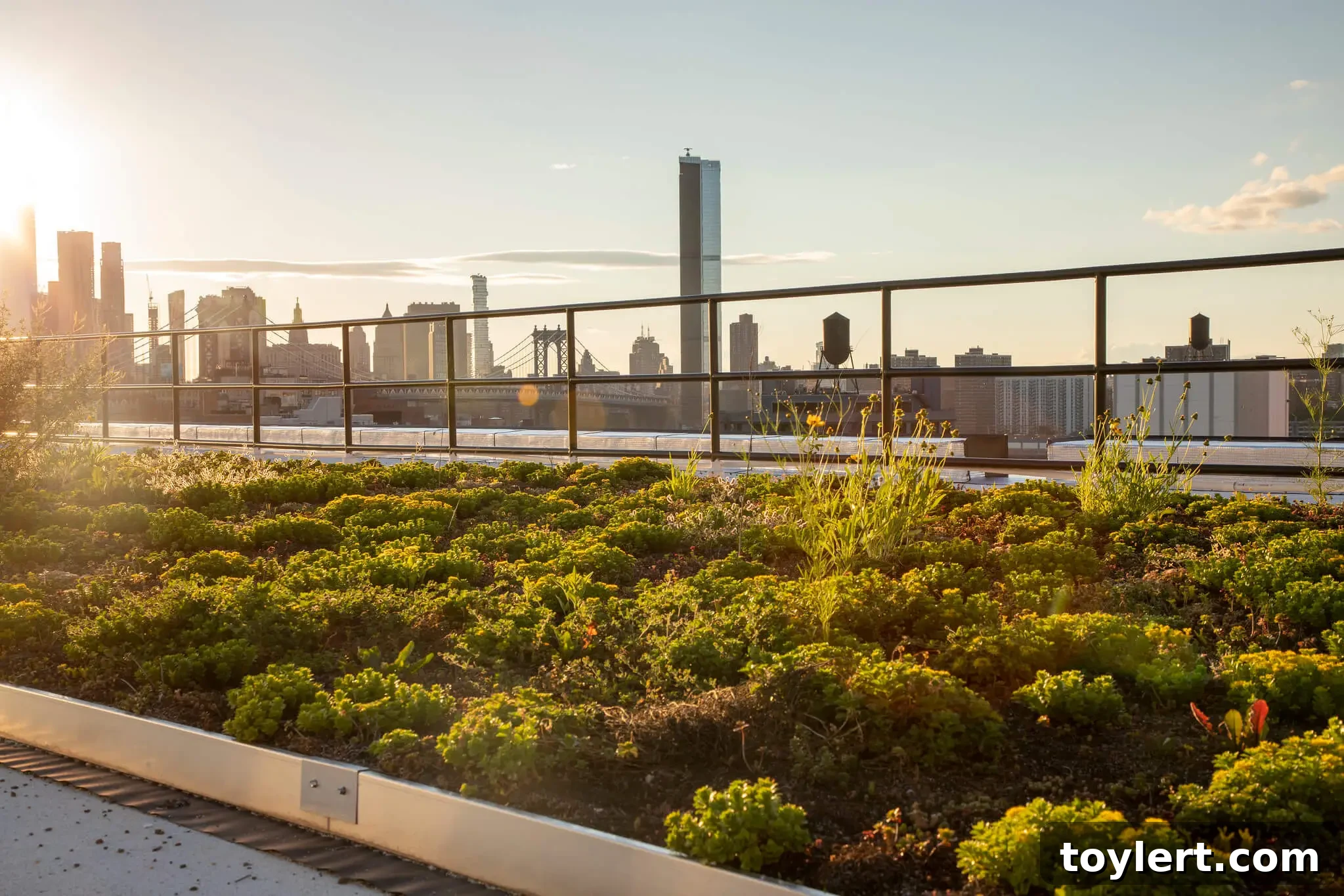
The historic Brooklyn Navy Yard, a bustling waterfront industrial complex at the heart of Brooklyn, has unveiled a significant stride towards environmental sustainability with the installation of three innovative, environmentally-friendly rooftops. This transformative project not only enhances the aesthetic appeal of the Yard but also plays a crucial role in mitigating the impacts of climate change, particularly addressing the persistent challenge of urban stormwater management in New York City.
A Verdant Transformation: The Scope of the Green Roof Initiative
These newly furnished rooftops encompass an impressive 23,000 square feet of meticulously designed green infrastructure. What were once impermeable, traditional rooftops are now vibrant, living ecosystems teeming with specifically chosen plant life. The selection includes resilient ornamental grasses, hardy perennial wildflowers, and robust sedum varieties. These plants are not merely decorative; they are integral components of a sophisticated system engineered to absorb and retain significant volumes of rainfall, effectively reducing the burden on the city’s aging infrastructure.
The choice of plant species like sedum is strategic. Sedum, often referred to as stonecrop, is renowned for its succulent properties, allowing it to thrive in the shallow substrate and harsh conditions typical of rooftop environments. Its ability to store water within its leaves makes it exceptionally drought-tolerant, requiring minimal irrigation once established. Paired with ornamental grasses and perennial wildflowers, these plants create a diverse ecosystem that is both low-maintenance and highly effective in stormwater retention. Furthermore, the root systems of these plants help stabilize the growing medium, preventing erosion and improving the overall longevity of the green roof system.
Tackling New York City’s Stormwater Challenge Head-On
One of the primary drivers behind this ambitious project is the critical need to manage stormwater runoff in densely populated urban areas like Brooklyn. In a typical year, the Brooklyn Navy Yard alone experiences approximately 2.5 million gallons of rain. Previously, this immense volume of water would largely hit impermeable surfaces, such as conventional rooftops, and rapidly flow into the city’s combined sewer system. This influx of stormwater frequently overwhelms the system, leading to combined sewer overflows (CSOs), where untreated or partially treated wastewater is discharged directly into local waterways like the East River and New York Harbor.
The newly installed green roofs offer a powerful solution to this pervasive problem. By capturing rainfall at its source, these living roofs drastically reduce the amount of water entering the sewer system. The soil media and vegetation act like a sponge, absorbing and slowing down the release of precipitation. This process not only prevents immediate flooding but also allows for natural filtration, removing pollutants before any excess water is gradually released. This innovative approach to stormwater management is a cornerstone of New York City’s broader green infrastructure strategy, aiming to create a more resilient and environmentally sound urban landscape.
Beyond Flood Prevention: Multifaceted Benefits of Green Roofs
The advantages of green roofs extend far beyond just stormwater management, offering a cascade of environmental and economic benefits:
Enhancing Urban Biodiversity and Ecosystem Services
The ornamental grasses and perennial wildflowers create vital new habitats in an otherwise concrete-dominated environment. These verdant spaces attract pollinators such as bees and butterflies, which are crucial for the health of both urban and rural ecosystems. By providing food sources and shelter, the green roofs contribute to increasing urban biodiversity, forming ecological corridors that support a variety of insect and bird species. This biological enrichment is essential for maintaining ecological balance and fostering a healthier urban environment, often providing a rare connection to nature for city dwellers.
Mitigating the Urban Heat Island Effect
Traditional dark-colored rooftops absorb solar radiation, leading to significantly higher surface temperatures and contributing to the “urban heat island effect,” where metropolitan areas are noticeably warmer than surrounding rural regions. Green roofs, with their living plant cover, actively combat this phenomenon. The plants provide shade, and through evapotranspiration (the process of water evaporating from the plants and soil), they release moisture into the air, creating a natural cooling effect. This cooling reduces the ambient air temperature of the surrounding area and, crucially, lowers the internal temperatures of the buildings below, leading to reduced reliance on air conditioning and substantial energy savings.
Improving Air Quality and Public Health
Vegetation plays a critical role in purifying the air we breathe. The plants on the Brooklyn Navy Yard’s green roofs will absorb airborne pollutants, such as particulate matter, sulfur dioxide, and nitrogen oxides, which are common in urban settings. They also convert carbon dioxide into oxygen through photosynthesis, contributing to cleaner, fresher air. This improvement in local air quality has direct positive impacts on public health, reducing respiratory issues and enhancing the overall well-being of the community surrounding the Navy Yard.
Aesthetic Enhancement and Wellbeing
From an aesthetic perspective, the transformation of dull, utilitarian rooftops into lush, green landscapes is visually striking. These vibrant spaces improve the visual appeal of the industrial complex, offering a more pleasant and harmonious environment for the thousands of people who work and visit the Navy Yard. Studies have shown that access to green spaces can reduce stress, improve mood, and foster a greater sense of well-being, turning once neglected spaces into sources of inspiration and tranquility.
A Partnership for a Sustainable Future: The Role of the DEP
The realization of this significant project is a testament to the power of collaboration between government agencies and community leaders. The city’s Department of Environmental Protection (DEP) Green Infrastructure Grant program was instrumental in encouraging and funding this initiative. DEP Commissioner Vincent Sapienza highlighted this synergy, stating, “The city’s Department of Environmental Protection Green Infrastructure Grant program encourages property owners to do their part to manage stormwater and help keep it out of our sewer system.”
Commissioner Sapienza further underscored the project’s success as a model for future endeavors: “This project is a wonderful example of a partnership between government and a strong community leader to build the green infrastructure, which has enhanced the sustainability of the Navy Yard and is already helping to improve the health of the East River and New York Harbor.” This statement emphasizes the dual benefit: immediate enhancement of the Navy Yard’s sustainability profile and tangible improvements to the vital waterways that define New York City.
The DEP’s Green Infrastructure Grant program is a critical component of New York City’s comprehensive plan to achieve a healthier, more sustainable urban environment. By providing financial incentives and technical support, the program empowers property owners, both private and public, to invest in green infrastructure solutions. These projects, ranging from green roofs and permeable pavements to rain gardens and bioswales, collectively contribute to a decentralized stormwater management strategy that is more effective and ecologically sound than relying solely on traditional grey infrastructure.
The Brooklyn Navy Yard: A Beacon of Innovation and Sustainability
Once a prolific shipbuilding facility, the Brooklyn Navy Yard has reinvented itself as a thriving industrial park and innovation hub, home to over 500 businesses and more than 17,000 employees. This green roof project aligns perfectly with the Yard’s modern mission of fostering sustainable economic growth and environmental stewardship. By embracing cutting-edge green infrastructure, the Navy Yard not only reduces its own environmental footprint but also sets a powerful precedent for other industrial and commercial complexes across the city and beyond.
The Navy Yard’s commitment to sustainability is evident in various aspects of its operations, from supporting clean energy businesses to implementing energy-efficient building practices. The green roof installation is another jewel in its crown, showcasing how historical industrial sites can be revitalized into models of ecological innovation. It demonstrates that economic development and environmental protection are not mutually exclusive but can, in fact, be mutually reinforcing, leading to more resilient communities and healthier ecosystems.
Looking Ahead: The Future of Green Infrastructure in New York City
The success of the Brooklyn Navy Yard’s green roof project provides a compelling case study for the wider implementation of green infrastructure across New York City. As climate change continues to bring more intense and unpredictable weather patterns, innovative stormwater management solutions will become increasingly vital. This project highlights the potential for similar interventions in other commercial districts, residential neighborhoods, and public spaces throughout the five boroughs.
The long-term vision for a greener New York City relies on continued collaboration, innovative thinking, and sustained investment in sustainable infrastructure. By transforming impermeable surfaces into living landscapes, the city can build a more resilient future, protect its invaluable waterways, and enhance the quality of life for all its residents. The Brooklyn Navy Yard stands as a shining example of how dedicated effort and visionary leadership can transform urban environments, paving the way for a healthier, more sustainable metropolis for generations to come.