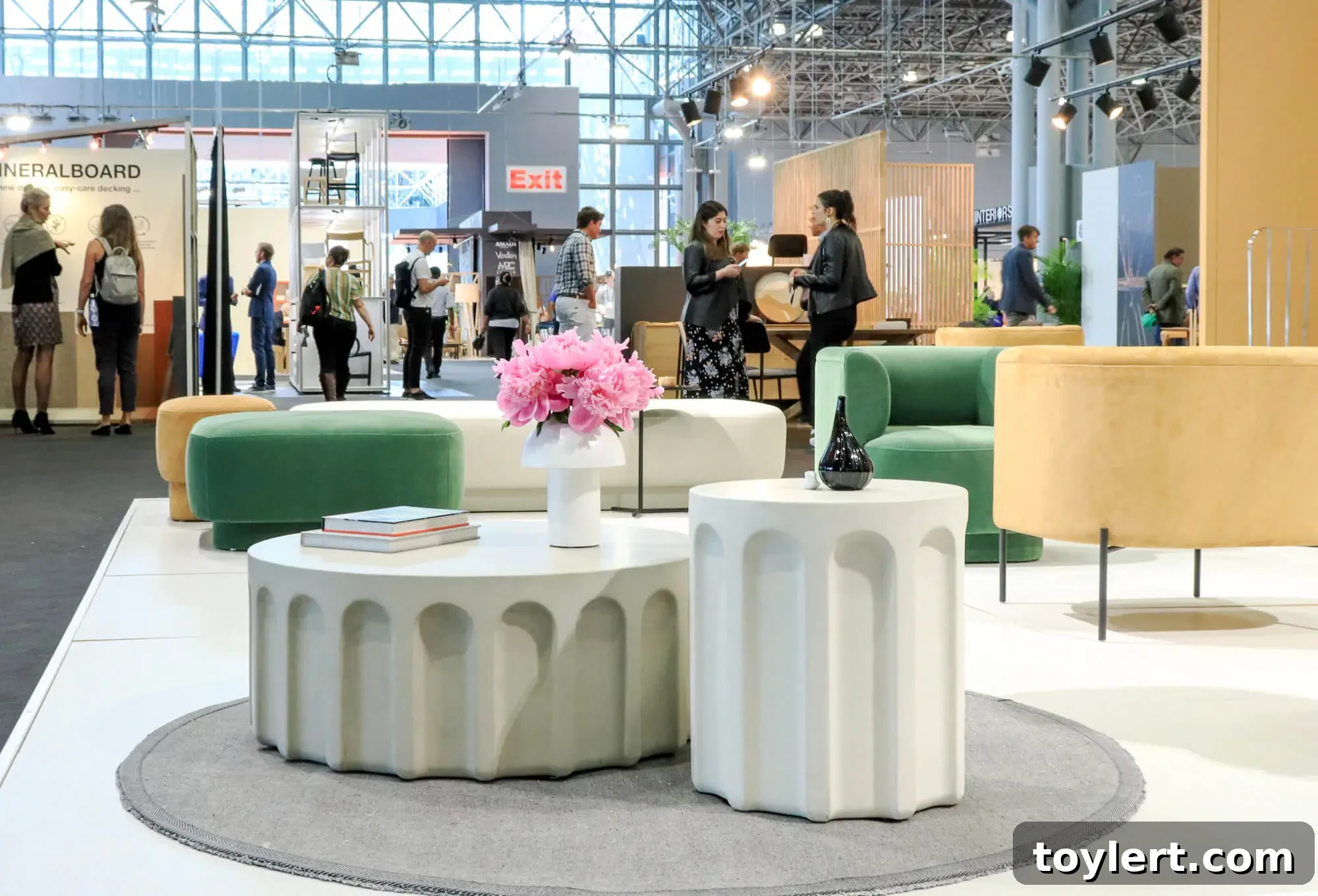
The Unmistakable Dominance of Orange: A Deep Dive into ICFF’s Defining Color Trend
Every year, the International Contemporary Furniture Fair (ICFF) serves as a vital barometer for future trends in interior design and home furnishings. Designers, architects, manufacturers, and enthusiasts flock to witness the cutting edge of innovation and aesthetics. While countless novelties vie for attention, a recent edition of this prestigious fair presented an undeniable, pervasive theme: the vibrant, versatile, and utterly captivating presence of orange. From subtle undertones to bold statements, this warm hue emerged as the undisputed star, painting a vivid picture of contemporary design’s evolving landscape.
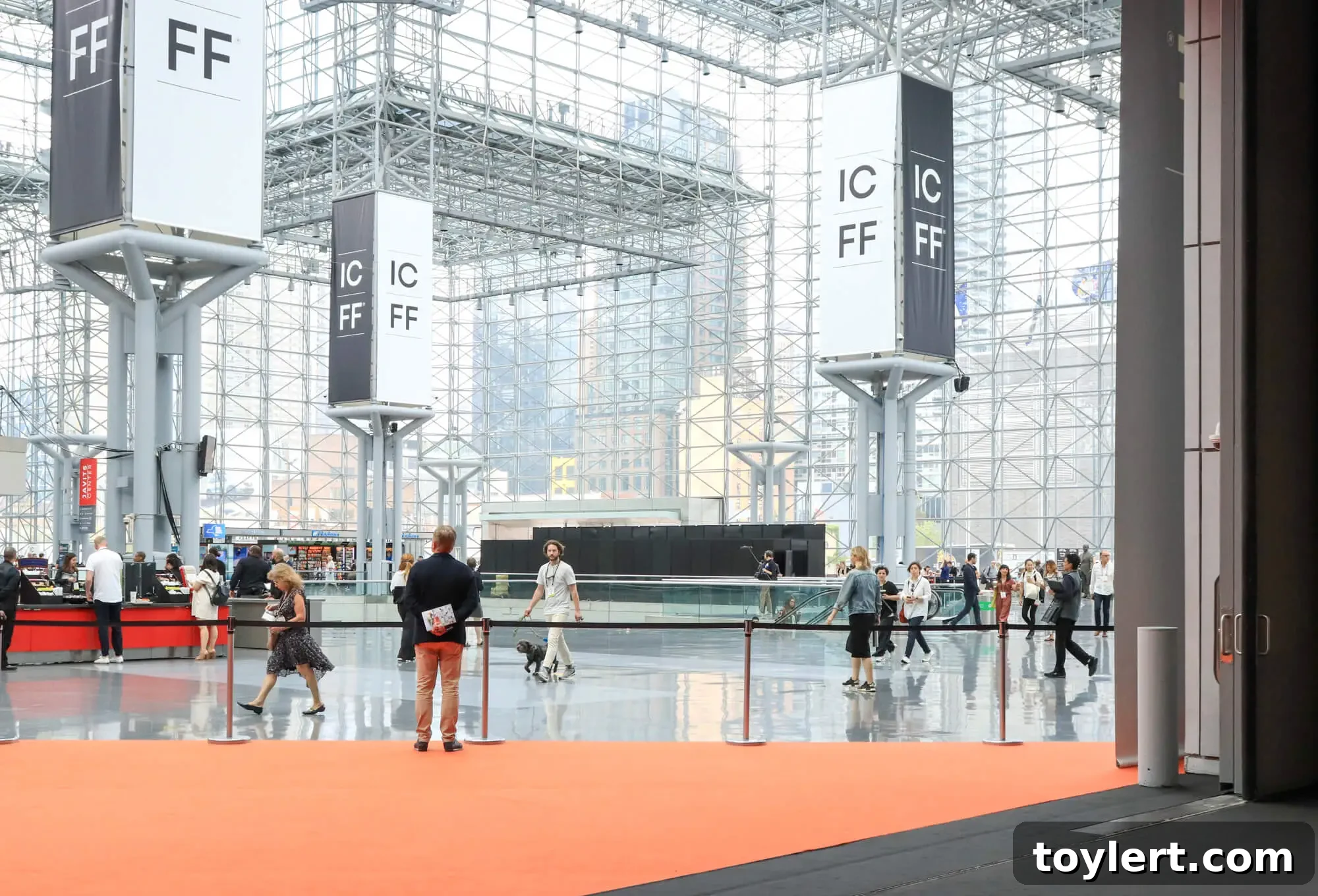
It wasn’t merely an occasional splash of color; orange, in its myriad variations, was integrated into nearly every facet of exhibited design. It created an immediate, striking visual identity for the entire event, from the grand entrance carpet that welcomed visitors to the meticulously curated booths within. This widespread adoption signals more than just a passing fancy; it suggests a profound shift in design sensibility, ushering in an era where warmth, energy, and a touch of optimistic vibrancy take center stage.
A Kaleidoscope of Citrus and Earth: Exploring Orange’s Diverse Palette
The beauty of orange’s dominance at ICFF lay not in a singular, monolithic shade, but in its incredible spectrum. Designers masterfully showcased the full range, demonstrating orange’s ability to evoke wildly different moods and serve various aesthetic purposes. We saw everything from the cheerful zest of a bright tangerine to the grounding depth of a rich terracotta, and the rustic elegance of burnt orange to the playful lightness of apricot. Saffron and rust tones added an exotic, artisanal touch, while bolder, almost neon oranges injected a jolt of contemporary energy.
Each variation told its own story. The vibrant, almost juicy oranges spoke of creativity, youthful exuberance, and a desire for lively, dynamic spaces. These were often seen in more avant-garde pieces or playful accents. In contrast, the earthy, muted tones like terracotta and rust projected a sense of comfort, stability, and a deep connection to nature. These shades resonated with a growing inclination towards natural materials and a desire for calming, restorative environments. This diverse palette allowed orange to transcend specific styles, proving its adaptability across minimalist, maximalist, industrial, and bohemian aesthetics alike.
Orange Everywhere: Applications Across Contemporary Design
The pervasiveness of orange at ICFF was truly remarkable, appearing in diverse product categories and applications. Its presence was so thorough that it touched almost every element required to furnish and adorn a modern living space.
Furniture as Statements
In furniture design, orange was employed with both subtlety and conviction. Plush velvet sofas in a deep burnt orange instantly became focal points, exuding luxury and comfort. Sleek, minimalist chairs featured lacquered orange finishes, adding a contemporary pop to otherwise understated forms. Coffee tables, side tables, and even elaborate shelving units showcased orange through painted surfaces, colored glass, or innovative material composites. We observed how designers utilized orange to redefine classic silhouettes, breathing new life and personality into everyday pieces. From modular seating arrangements to sculptural accent chairs, orange transformed furniture from mere utility to expressive art.
Textural Richness in Soft Furnishings
Perhaps one of the most impactful ways orange manifested was in textiles and soft furnishings. Beyond the memorable entrance carpet, which itself set the tone for the fair, orange adorned an array of rugs, from intricate patterns to bold, monochromatic designs that anchored entire room settings. Upholstery on armchairs and ottomans ranged from soft, inviting chenille in apricot hues to durable, tactile fabrics in vibrant pumpkin. Throws and cushions in various orange tones, sometimes layered with complementary colors, offered easy ways to inject warmth and personality into any space. Drapery in sheer orange fabrics created a warm, ethereal glow when hit by light, demonstrating the color’s ability to influence the ambiance of a room.
Illuminating Spaces with Orange
Lighting fixtures offered another fascinating canvas for orange. Pendant lights with frosted orange glass diffusers cast a gentle, ambient glow, while metal lampshades in matte orange finishes provided directed, stylish illumination. Sculptural floor lamps integrated orange elements, turning functional objects into striking artistic statements. The color was also seen in sconces and table lamps, proving its versatility in both task lighting and atmospheric enhancement, often paired with warm LED temperatures to amplify its inviting nature.
Decorative Accents and Art
Small decorative items and art pieces served as perfect vehicles for orange to shine. Vases crafted from ceramic or blown glass showcased brilliant orange glazes, adding a focal point to shelves and tables. Abstract sculptures and wall art, rich in orange tones, provided dynamic visual interest. Hand-thrown pottery, intricate ceramic tiles, and even framed prints incorporated the hue, allowing individuals to introduce the trend in a manageable, impactful way. These accents demonstrated how a touch of orange can tie a room together or provide a lively contrast.
Architectural and Spatial Elements
Beyond individual pieces, orange was strategically integrated into architectural and spatial elements. Creative booth dividers at ICFF leveraged the color to define spaces and guide visitor flow, proving its effectiveness in spatial design. Wall coverings, from subtle patterns to bold geometric designs featuring orange, transformed plain surfaces into vibrant backdrops. Even subtle uses, like accent panels or sections of flooring, demonstrated how orange can be thoughtfully woven into the very structure of an interior, creating an immersive and cohesive aesthetic.
Expanding to Everyday Objects
The trend extended even to more functional, everyday objects. Kitchenware, including small appliances like toasters and kettles, adopted orange finishes, bringing cheer to culinary spaces. Dining sets featured orange accents, making meal times more vibrant. Office accessories, storage solutions, and even outdoor furniture pieces, from patio chairs to planters, embraced the hue, signifying its reach across various aspects of modern living.
The Resurgence of Orange: Why Now?
The widespread embrace of orange at ICFF is not coincidental; it reflects deeper cultural and psychological shifts. For years, minimalist aesthetics dominated, characterized by cool grays, whites, and muted tones. While sleek and sophisticated, this aesthetic can sometimes feel impersonal or sterile. Orange, conversely, offers an immediate injection of warmth, personality, and human connection.
Psychologically, orange is often associated with energy, enthusiasm, creativity, and optimism. In a world grappling with uncertainties, a desire for spaces that uplift, comfort, and inspire is paramount. Orange provides this sense of cheerfulness and vigor. Its earthy variations, like terracotta and rust, evoke a grounding sense of nature, connecting us to the warmth of sunsets, autumn leaves, and natural landscapes. This ties into a broader trend towards biophilic design and a yearning for natural elements within urban environments.
Furthermore, orange carries a nostalgic appeal, frequently appearing in iconic mid-century modern designs. Its resurgence hints at a longing for the bold, optimistic futurism of that era, reinterpreted for contemporary tastes. It’s a color that encourages interaction and conversation, making it ideal for social spaces within the home or public environments. This collective leaning towards orange suggests a societal desire to move beyond muted tones, embracing expressive color palettes that reflect a renewed sense of hope and individuality.
Mastering the Hue: Incorporating Orange into Your Space
For designers and homeowners inspired by ICFF’s orange revolution, integrating this vibrant hue can transform any space. The key is understanding how to leverage its impact, whether as a subtle accent or a dominant statement.
For those cautious about diving in headfirst, orange makes an excellent accent color. A few strategically placed cushions, a cozy throw, a piece of art, or a decorative vase can infuse warmth and energy without overwhelming the existing decor. These small touches work wonderfully against neutral backdrops of grays, whites, or creams, creating striking visual contrast.
For bolder statements, consider a feature wall painted in a rich terracotta or a striking burnt orange sofa. When using orange as a dominant color, careful consideration of its surroundings is crucial. It pairs beautifully with complementary blues, creating a dynamic yet balanced scheme. Analogous colors like reds and yellows can create a harmonious, fiery palette. For a more grounded feel, combine orange with earthy greens, deep browns, or even touches of gold or brass for a luxurious effect.
Texture also plays a significant role in how orange is perceived. A matte finish orange wall might feel sophisticated and understated, while a glossy orange accent piece could be sleek and modern. Plush velvet or woven textiles in orange can evoke comfort and opulence, making the color feel inviting rather than jarring. Experimenting with different textures alongside the varying shades of orange allows for a multifaceted and rich design experience.
ICFF: The Oracle of Interior Design Trends
The International Contemporary Furniture Fair consistently reinforces its status as a pivotal event for design forecasting. Trends showcased here, such as the undeniable prominence of orange, often act as precursors to wider adoption in mainstream retail and residential design. What starts as a bold statement in an exhibition hall soon trickles down into consumer preferences, influencing everything from paint choices to fabric selections and furniture purchases. The collective vision presented by leading designers and manufacturers at ICFF shapes the aesthetic conversation for the seasons to come, demonstrating the cyclical yet ever-evolving nature of design.
The deliberate and pervasive use of orange across so many diverse applications at the fair serves as a clear signal to the industry: this is not just a trend; it is a significant directional shift. It highlights the power of color to evoke emotion, define style, and respond to the broader cultural climate. The insights gained from observing such a clear trend at ICFF empower designers and consumers to make informed choices, fostering spaces that are both current and personally resonant.
The Enduring Glow of Orange in Contemporary Design
The overwhelming presence of orange at a recent International Contemporary Furniture Fair was more than a fleeting moment of fashion; it was a powerful declaration. It signaled a collective yearning for warmth, optimism, and a return to expressive, personality-driven interiors. From the vibrant zest of tangerine to the grounding comfort of terracotta, orange proved its unparalleled versatility, seamlessly integrating into furniture, textiles, lighting, and architectural elements. This dominant hue, celebrated across the fair, is poised to leave a lasting impression on contemporary design, inspiring creative palettes and inviting spaces for years to come. As designers continue to explore its rich potential, orange will undoubtedly remain a significant and cherished color in the lexicon of modern aesthetics.