MTA’s G Line Northern Segment Reopens: A Step Forward in Subway Modernization
By Ben Brachfeld, amNY
Commuters across North Brooklyn and Queens breathed a collective sigh of relief as the northern segment of the G train line officially reopened for service on Monday, August 12. This significant milestone marks the successful completion of a crucial phase in the Metropolitan Transportation Authority’s (MTA) extensive re-signaling project, a modernization effort designed to enhance the reliability and efficiency of one of New York City’s vital subway routes. The reopening allows G train service to resume between Court Square and Bedford-Nostrand, ending over a month of challenging travel for thousands of daily riders who had to rely on alternative transportation and shuttle buses.
Relief for Riders: G Train Service Restored
The return of regular G train service on August 12 was met with anticipation by residents and businesses alike. For more than a month, neighborhoods like Long Island City, Greenpoint, Williamsburg, and Bedford-Stuyvesant experienced significant disruptions as the MTA undertook essential upgrades. The absence of direct subway service between these key areas forced commuters into lengthy detours, often involving multiple transfers and crowded shuttle buses that added considerable time and stress to their daily journeys. The restoration of full service along this northern stretch means a return to predictable and faster commutes for countless individuals who depend on the G line to connect them across boroughs.
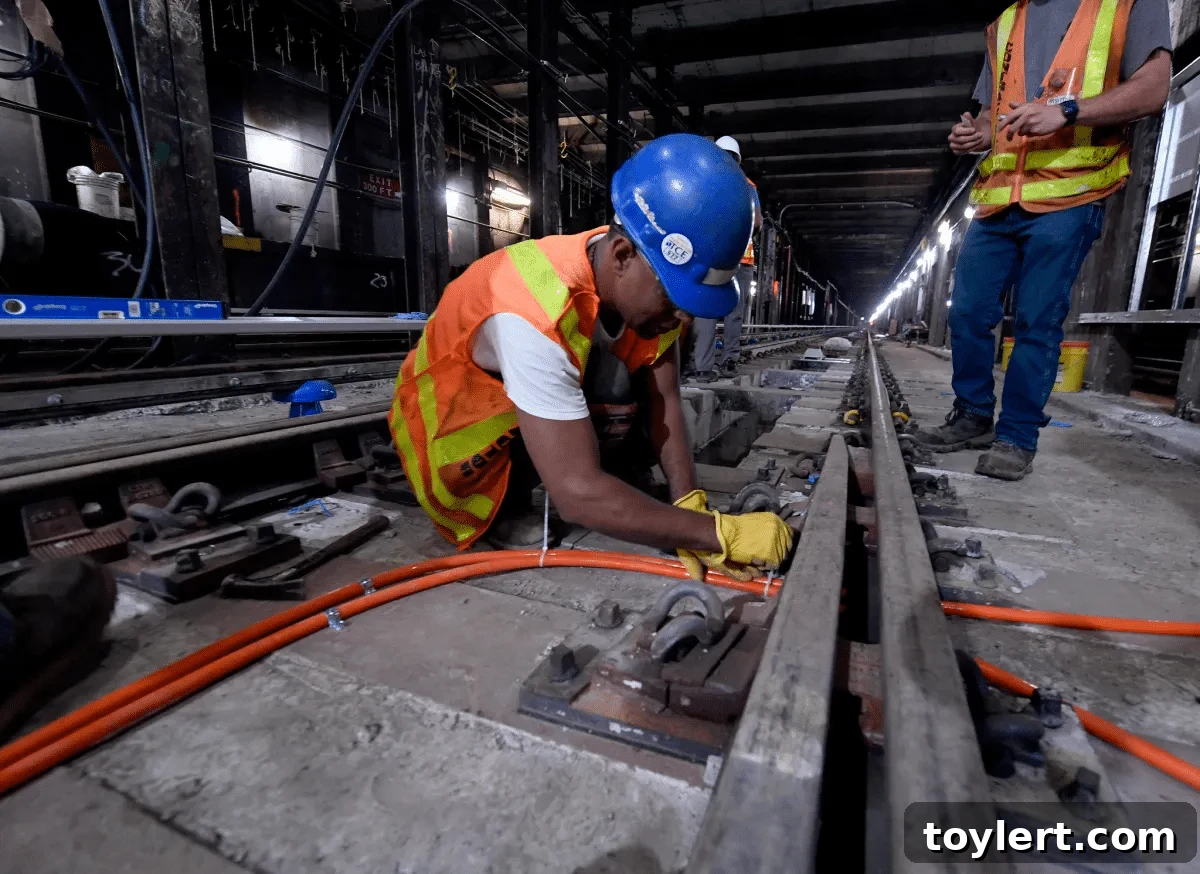
This phase of the re-signaling project specifically targeted the infrastructure between Court Square in Long Island City, Queens, and Bedford-Nostrand in Brooklyn. The work, which involved installing cutting-edge communication-based train control (CBTC) signals, is critical for bringing the G line into the 21st century. While the immediate relief for commuters is palpable, this is merely one segment of a much larger initiative. The MTA’s comprehensive re-signaling work will now systematically move southward along the G line, promising future improvements but also necessitating further temporary service adjustments as the project progresses towards its anticipated completion in September.
Understanding the MTA’s G Line Re-signaling Project
The G line re-signaling project is a cornerstone of the MTA’s broader capital program, aimed at modernizing New York City’s aging subway infrastructure. The existing signal system on many lines, including parts of the G, dates back several decades, relying on technology from the early 20th century. These antiquated signals are a frequent cause of delays, service disruptions, and limit the MTA’s ability to run trains more frequently and efficiently. The transition to Communication-Based Train Control (CBTC) is a game-changer.
CBTC technology employs a digital, two-way communication system between trains and trackside equipment, allowing for more precise tracking of train locations and speeds. This precision enables trains to run closer together safely, significantly increasing line capacity and reducing the intervals between trains. Furthermore, CBTC provides real-time diagnostics, allowing the MTA to identify and address potential issues before they cause major disruptions. The implementation of CBTC on the G line is expected to lead to a noticeable improvement in on-time performance, fewer signal-related incidents, and ultimately, a more reliable and enjoyable commuting experience for passengers.
Why Modernization is Crucial for NYC Transit
New York City’s subway system is the backbone of its economy and social fabric, moving millions of people daily. However, years of underinvestment and reliance on outdated technology have taken a toll, leading to widespread frustration among riders. Projects like the G line re-signaling are not just about incremental improvements; they are about fundamentally transforming the system to meet the demands of a growing metropolis. Modernizing signals reduces the human element errors, improves safety, and allows for more dynamic service adjustments in response to unforeseen events. It’s an essential investment in the city’s future, ensuring that its public transit remains a viable and attractive option for residents and visitors alike.
The Impact on Commuters: A Month of Adaptation
The temporary shutdown of the northern G line segment presented a significant challenge for tens of thousands of daily commuters. For over four weeks, residents in some of Brooklyn’s most vibrant and rapidly developing neighborhoods, as well as parts of Queens, had to navigate a complex web of alternative transportation options. Shuttle buses, often running along congested surface streets, became the primary mode of transit for many, leading to extended travel times and increased crowding. Connections to other subway lines, such as the L, M, and 7 trains, became critical but also strained existing resources on those lines.
The impact extended beyond just longer commutes. Local businesses in affected areas reported a drop in foot traffic, particularly those located near G train stations. Residents often had to adjust work schedules, childcare arrangements, and social plans to accommodate the disruptions. The MTA made efforts to mitigate the inconvenience by providing extensive signage, public information campaigns, and deploying additional staff to assist passengers. Despite these measures, the period underscored the profound reliance New Yorkers have on their subway system and the significant ripple effects when a critical line faces even temporary closure.
Looking Ahead: The Southern Shift and Future Phases
With the northern segment successfully reopened, the MTA’s re-signaling work now transitions to the southern portion of the G line. Commuters should prepare for further service advisories and potential diversions as the modernization efforts continue. The exact timeline for this next phase and its specific impact on service will be communicated by the MTA, and riders are strongly advised to check official MTA channels, such as their website, social media, and station announcements, for the most up-to-date information.
The overall project for the G line is slated for completion in September, a testament to the MTA’s commitment to delivering these vital upgrades within ambitious timeframes. Once fully operational with CBTC, the G line is expected to serve as a model for other modernization projects across the subway system. The success of this implementation will not only benefit G train riders but also provide valuable lessons and methodologies for future signal upgrades on other lines, ultimately contributing to a more efficient and reliable subway network for all New Yorkers.
Community Engagement and Rider Feedback
Throughout the duration of such extensive projects, community engagement plays a pivotal role. The MTA actively seeks feedback from riders and local community boards to understand the impact of service changes and to address concerns. This iterative process allows for adjustments in shuttle bus routes, schedules, and communication strategies. While construction and upgrades inherently cause inconvenience, transparent communication and responsiveness from transit authorities are key to maintaining public trust and ensuring that the needs of the commuting public are adequately considered.
Tips for Navigating Future Service Changes
As the G train re-signaling project progresses southward and other subway lines undergo similar modernization efforts, New York City commuters will undoubtedly face more service changes. Here are some essential tips to help navigate these periods effectively:
- Stay Informed: Regularly check the MTA website, MyMTA app, and station announcements for the latest service changes and advisories.
- Plan Ahead: Before leaving home, use transit apps (like Google Maps, Apple Maps, or the MyMTA app) to plan your route and check for any unexpected delays.
- Allow Extra Time: Always factor in additional travel time, especially during peak hours or if you are unfamiliar with alternative routes.
- Explore Alternatives: Familiarize yourself with nearby bus routes, other subway lines, and even Citi Bike or walking options that might serve as viable alternatives during disruptions.
- Be Patient: Infrastructure upgrades are crucial for a better future, and while inconvenient, they are a necessary part of maintaining a world-class transit system.
A Vision for a Modern New York City Subway
The reopening of the northern G line segment is more than just the resumption of subway service; it’s a visible symbol of the MTA’s ongoing commitment to building a more resilient, efficient, and modern transit system for New York City. The implementation of CBTC on the G line represents a significant investment in the daily lives of millions, promising a future of fewer delays, increased capacity, and a more reliable commute. While the road to full modernization is long and will require continued patience and adaptation from riders, each completed phase brings the city closer to a subway system that truly reflects its status as a global metropolis. The G train’s journey south for further re-signaling work continues this vital transformation, laying the groundwork for a transit future that is faster, safer, and more connected for generations to come.