Navigating the Unprecedented: COVID-19’s Profound Impact on Economy and Society
The year 2020 ushered in an era of unprecedented challenges, forever altering the fabric of daily life across the globe. As societies grappled with the rapid spread of COVID-19, measures like sheltering in place became the norm, transforming homes into offices and classrooms. For many in New York City, this period marked the seventh week of mandatory stay-at-home orders, coinciding with the twenty-eighth day of a dramatic shift to home schooling for millions of students. This sudden pivot brought forth a cascade of adjustments, from the mundane routines of grocery shopping to the fundamental structure of work and education, forcing communities to adapt to a reality that felt both surreal and acutely pressing.
The Staggering Wave of Unemployment: A Nation in Economic Turmoil
Beyond the immediate health crisis, the pandemic triggered an economic earthquake, casting a long shadow over the livelihoods of millions. The speed and scale of job losses were unlike anything seen in modern history. Within a remarkably short period, approximately 30 million individuals across the United States had filed for unemployment benefits. To put this figure into perspective, this represents roughly 10 percent of the total U.S. population and a staggering 20 percent of the nation’s labor force. These numbers alone paint a bleak picture of economic distress, but the true scope of the crisis may be even more dire.
According to a study by the Economic Policy Institute, as quoted in The New York Times, the actual number of people out of work could be closer to 60 million—effectively double the officially reported figures. This discrepancy highlights the limitations of official data, as many who lost jobs might not have been eligible for or able to navigate the unemployment filing process, including gig workers, part-time employees, and those in marginalized communities. The sheer volume of job losses indicates a systemic shock, far surpassing the downturns of previous recessions and suggesting a fundamental disruption to the labor market that could have lasting consequences.
Brooklyn’s Unique Economic Vulnerabilities
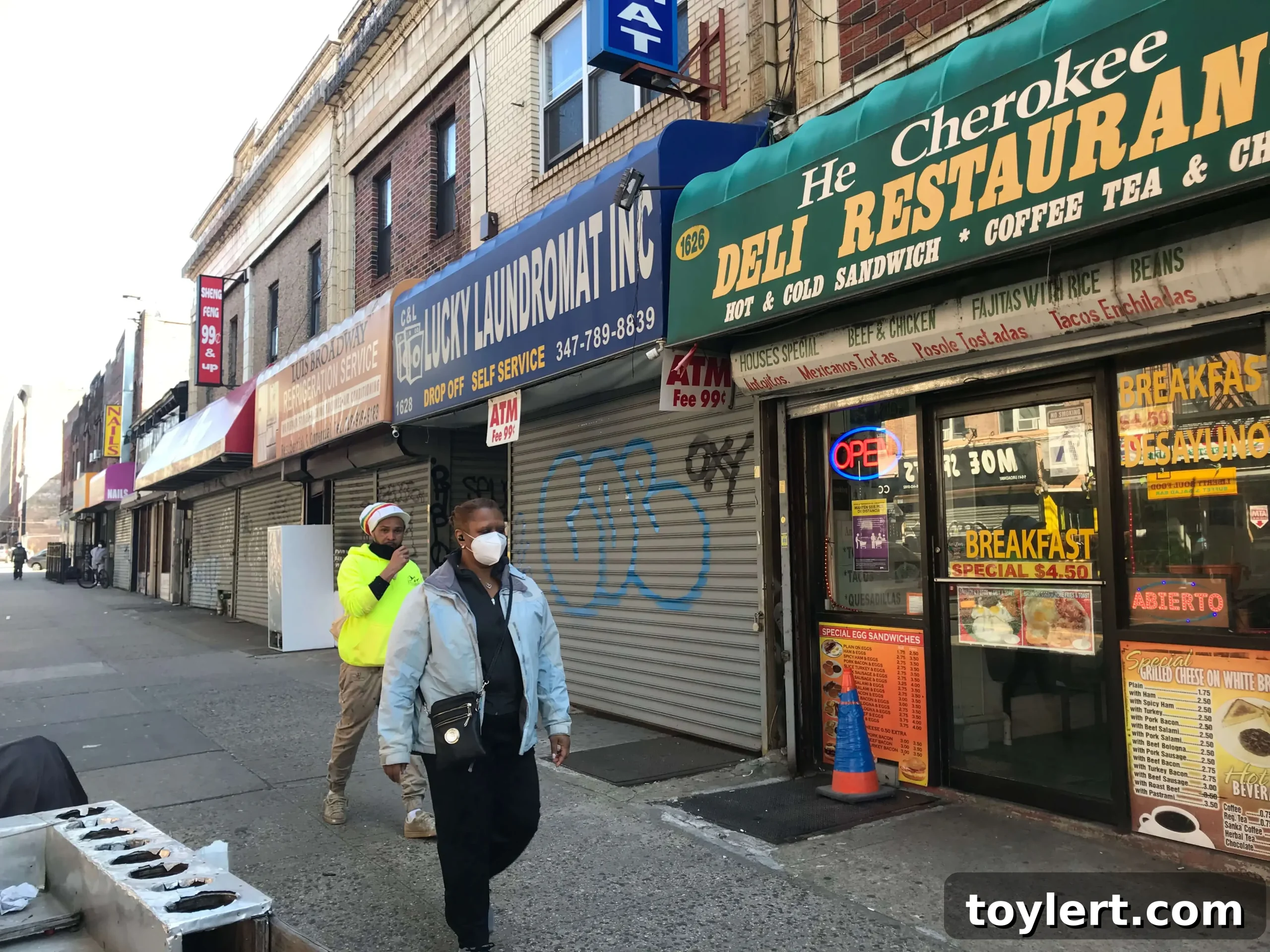
While the national unemployment figures are alarming, the impact is often amplified in specific regions and local economies. Brooklyn, a vibrant borough of New York City, stands as a prime example of a community particularly susceptible to the pandemic’s economic fallout. A significant portion of Brooklyn’s local economy thrives on sectors that were among the hardest hit by lockdowns and social distancing measures. Independent restaurants, beloved local retail stores, thriving arts venues, and personal service businesses form the backbone of Brooklyn’s unique charm and economic vitality. These establishments, often operating on thin margins, faced immediate and severe challenges, from forced closures to drastically reduced customer traffic.
The closure of non-essential businesses and the dramatic reduction in tourism and foot traffic meant that countless small business owners and their employees suddenly found themselves without income. This ripple effect threatened not only individual livelihoods but also the very character of Brooklyn’s diverse neighborhoods, raising concerns about a potential wave of permanent closures and the erosion of the borough’s unique cultural and commercial landscape. The concentration of these vulnerable sectors suggests that the percentage of unemployed individuals in Brooklyn could be even higher than the national or broader New York City averages, underscoring the urgent need for targeted relief and recovery efforts.
The Looming Housing Crisis: Renters and Landlords on Edge
The economic squeeze inevitably translated into a profound crisis for the housing market, placing immense pressure on both renters and landlords. As the first rent payment cycles of the pandemic arrived, the severity of the situation became starkly clear. When rents were due on April 1st, a staggering approximately one-third of renters across the nation reportedly failed to make their payments. This unprecedented default rate signaled a widespread inability to meet essential financial obligations due to the sudden loss of income.
The impact was not limited to residential properties. Commercial real estate also experienced a severe downturn. Two major New York City commercial landlords reported collecting only about 73 percent of office rents and a dismal 46 percent of store rents for the month. As reported by The Wall Street Journal, these figures underscore the immense pressure on businesses, many of which were either completely shut down or operating at severely reduced capacity, making rent payments an insurmountable burden.
Government Intervention and Long-Term Outlook
In response to the escalating crisis, policymakers began to consider drastic measures. Members of the U.S. Congress, including Rep. Ilhan Omar, introduced a significant bill proposing to cancel all rent and mortgage payments for the duration of the crisis. Such a measure, if passed, would represent an extraordinary intervention into the private property market, reflecting the unprecedented nature of the economic disruption. While this bill and other relief efforts aimed to mitigate the immediate suffering, experts widely speculated that missed payments would likely increase further with the May 1st rent cycle, as financial reserves dwindled for many households and businesses.
The long-term implications for the housing market are a subject of intense debate and concern. Experts speculate that, over time, the sustained pressure on incomes and widespread economic uncertainty could lead to a significant fall in rents, particularly in major urban centers like New York City, as suggested by NBC News. This potential downturn in rental prices, while offering some relief to struggling tenants, would also pose significant challenges for property owners and the broader real estate industry. More alarmingly, there is a strong consensus that the economic fallout could lead to a substantial increase in homelessness, as individuals and families are unable to maintain housing amidst widespread job losses and insufficient support systems. The future of urban living, particularly the density and affordability of major metropolitan areas, faces a critical reevaluation in the wake of these economic shifts.
Adapting to a New Reality: Beyond the Immediate Crisis
The economic and social ramifications of the pandemic extend far beyond the immediate unemployment figures and rent defaults. The widespread adoption of remote work, while initially a necessity, has prompted a re-evaluation of traditional office spaces and urban commuting patterns. The future of brick-and-mortar retail and dining, already challenged by e-commerce, now faces an existential threat. Educational institutions are grappling with how to sustainably integrate technology into learning, blurring the lines between physical and virtual classrooms.
Community resilience has been tested, with many neighborhoods witnessing both heartwarming acts of solidarity and the emergence of new social inequalities. Access to healthcare, digital literacy, and stable housing have become even more pronounced determinants of well-being. Governments and international organizations are faced with the monumental task of designing recovery plans that are inclusive, sustainable, and address the deep-seated vulnerabilities exposed by the crisis. This includes re-evaluating social safety nets, investing in public health infrastructure, and fostering economic diversification to build more resilient communities capable of weathering future shocks.
Conclusion: Navigating Uncertainty Towards Recovery
As the world continues to navigate the complexities of the COVID-19 pandemic, the challenges are immense, and the path to full recovery remains uncertain. The twin crises of health and economy have created a landscape of unprecedented unemployment and a looming housing emergency, with local economies like Brooklyn’s feeling the pain acutely. The figures, whether official or estimated, paint a picture of widespread distress, compelling policymakers to consider radical interventions to protect citizens and stabilize markets. While the immediate focus remains on mitigation and relief, the long-term implications for work, housing, and social structure demand careful consideration and proactive planning. The period of sheltering in place and adapting to new norms has not only reshaped our daily lives but has also forced a collective reckoning with the vulnerabilities within our economic and social systems, urging us to build a more resilient and equitable future.