Crown Heights Parking Nightmare: Cars Trapped as Garage at 500 Sterling Place Shuts Down
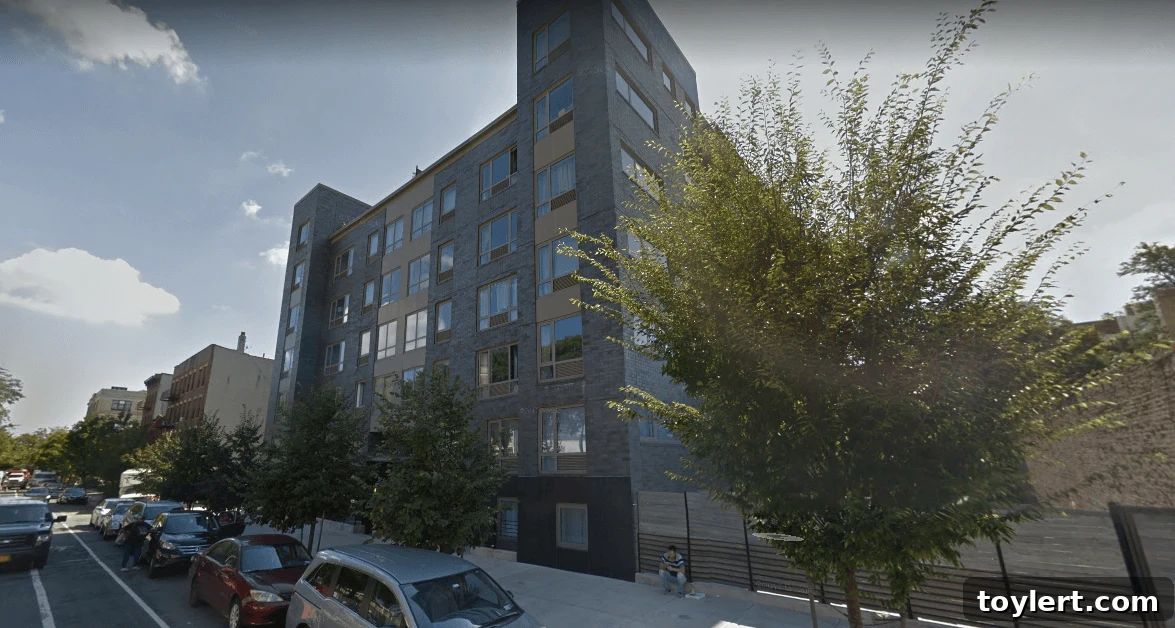
A disturbing and urgent situation has gripped a segment of the Crown Heights community, following the abrupt closure of a public parking garage. The facility, which appears to be an integral part of a prominent seven-story, 77-unit rental building located at 500 Sterling Place, has been sealed off with a marshal’s notice, leaving numerous vehicle owners in a state of shock and utter frustration. The unfolding drama, initially brought to light through a concerned post on the local message board, Brooklynian, highlights the precarious nature of urban infrastructure and the severe impact sudden disruptions can have on daily life.
The initial alert, posted by a user identified as “yikesart” on Tuesday, painted a grim picture: a seemingly routine parking garage, where many residents and perhaps even some non-residents safely stored their vehicles, had suddenly become inaccessible. The core of the problem, as articulated by the desperate poster, was not just the closure itself, but the immediate and severe consequence: they, along with many others, are completely unable to retrieve their cars. This isn’t merely an inconvenience; it’s a full-blown crisis for those whose livelihoods, daily commutes, and personal freedom depend on their vehicles.
The Unfolding Drama at 500 Sterling Place: A Community on Edge
The situation at 500 Sterling Place is more than just an isolated incident; it’s a reflection of the complex dynamics of urban living, where essential services like parking can suddenly be withdrawn without warning. The building itself is a significant presence in Crown Heights, and its attached parking facility serves a crucial need in a borough notorious for its challenging parking landscape. For residents who have paid good money for the convenience and security of an indoor garage, this sudden closure feels like a betrayal.
The marshal’s notice, a stark indicator of legal action, suggests a serious underlying issue, likely a dispute over unpaid rent, a lease termination, or a major violation that has led to an eviction or seizure. While the exact reasons remain unconfirmed in the immediate aftermath, the sight of such a notice instantly signals a grave problem that transcends simple operational difficulties. It implies a legal entanglement that has escalated to the point of public action, directly affecting innocent third parties – the car owners.
Imagine the scene: returning to your garage after a long day or a weekend trip, only to find official papers plastered across the entrance, gates shut, and your car firmly locked inside. The immediate feelings are likely to be a mix of confusion, disbelief, and then escalating panic. How long will it be closed? When will access be granted? What about my belongings inside the car? These are questions that hundreds of Brooklynites are now grappling with, turning a routine part of their day into an unforeseen nightmare.
A Nightmare for Car Owners: Trapped Vehicles and Spiraling Frustration
For those affected, the inability to access their vehicles is far more than an inconvenience; it’s a significant disruption to their lives. Cars are not just modes of transport; they often hold personal belongings, essential work tools, child safety seats, and serve as vital lifelines for commuting to work, attending appointments, or simply carrying out daily errands. Losing access to a vehicle means scrambling for alternative transportation, which in New York City can mean added expenses for ride-shares, taxis, or the time-consuming process of navigating public transit with added luggage or family members.
Moreover, there’s the underlying anxiety about the safety and condition of their trapped property. Are the cars secure? What if they remain inaccessible for weeks or months? The financial burden is also immediate: monthly parking fees may have already been paid for the current period, essentially for a service that is no longer being rendered. On top of this, affected individuals now face the additional cost of securing temporary parking elsewhere, often at exorbitant rates in a city where parking is a luxury.
The emotional toll cannot be overstated. Frustration, anger, and a sense of helplessness are natural responses when personal property is seized through no fault of one’s own. Car owners are caught in the crossfire of a dispute they likely knew nothing about, leaving them in a legal and logistical limbo. This situation underscores a critical vulnerability for anyone who relies on third-party services for storing valuable assets.
Deciphering the “Why”: Potential Causes Behind the Sudden Closure
While details surrounding the specific marshal’s notice and the underlying dispute are scarce, such sudden closures typically stem from a few common, yet complex, issues. Understanding these potential causes can shed light on the challenges faced by both property owners and service providers in a high-stakes real estate market like New York City.
- Financial Disputes: This is perhaps the most common reason for a marshal’s notice. The garage operator might have fallen significantly behind on rent payments to the building owner, leading to an eviction process. Alternatively, there could be other financial liabilities or defaults that have triggered legal action.
- Lease Termination and Failure to Vacate: The garage’s lease might have expired, and despite notifications, the operator failed to vacate the premises. This could prompt the landlord to pursue legal means to regain control of their property.
- Building Code Violations or Safety Issues: Less common for an immediate marshal’s notice, but severe structural issues or repeated safety violations that pose an imminent danger could lead authorities to shut down a facility. However, this is usually handled by city agencies like the Department of Buildings, often with prior warnings.
- Change of Ownership or Development Plans: A new owner might have acquired the building with plans to repurpose the garage space, and the existing garage operator’s lease might be incompatible or terminated. Legal disputes can arise if the operator resists.
- Bankruptcy or Business Failure: The garage operating company itself might have faced financial insolvency, leading to its assets being seized or operations halted by creditors.
Regardless of the precise cause, the core issue remains that a business entity responsible for a public service has encountered a legal or financial roadblock, and the fallout has directly impacted its unsuspecting clientele. The lack of prior communication or warning for car owners is particularly egregious, transforming a business dispute into a public ordeal.
The Legal Labyrinth: Rights and Responsibilities for Trapped Car Owners
When a parking garage shuts down and cars are inaccessible, the legal framework becomes incredibly important for affected individuals. In situations like this, the relationship between the car owner and the garage operator is typically governed by a legal concept known as “bailment.” This means the garage operator (the bailee) has temporary possession of your car (the bailor’s property) and is responsible for its safekeeping and eventual return.
The marshal’s notice, while a legal instrument to enforce a judgment (often an eviction), typically targets the entity being evicted – in this case, the garage operator. It does not automatically grant the marshal the right to seize or hold personal property belonging to third parties, like the cars. However, the practical reality is that access to the premises, and thus to the vehicles, is restricted. This creates a complex legal challenge where the car owners are not direct parties to the original dispute but are severely impacted by its outcome.
Steps Affected Car Owners Should Consider:
- Document Everything: Gather all relevant paperwork: parking agreements, receipts, proof of ownership (registration, title), and any communication with the garage. Take photos or videos of the marshal’s notice and the garage entrance.
- Contact the Marshal’s Office: The marshal’s notice should have contact information. Reach out to understand the process for retrieving personal property not belonging to the evicted party. They may have a procedure in place or be able to provide guidance.
- Seek Legal Counsel: This is highly advisable. A lawyer specializing in property law or consumer rights can help explain your rights, negotiate with the marshal or the building owner, and potentially initiate legal action to compel the release of your vehicle. A class-action lawsuit might be an option if many individuals are affected.
- File a Police Report: While not a criminal matter, filing a police report documents the incident and establishes a formal record of your inability to access your property.
- Notify Your Insurance Company: Inform your car insurance provider about the situation. They might be able to offer advice, cover costs for alternative transportation, or assist in the recovery process depending on your policy.
- Contact the Building Management/Owner: While they are often the party initiating the marshal’s action, they may eventually be the ones in control of the premises and could facilitate vehicle retrieval.
The primary goal for car owners will be to gain lawful access to their vehicles without incurring additional, unreasonable costs. This often requires navigating legal channels and potentially advocating for collective action with other affected parties.
Community Echoes: The Brooklynian Forum and Beyond
The Brooklynian message board, a digital town square for local residents, quickly became a hub for discussion and shared concern following “yikesart’s” initial post. Such platforms play a vital role in disseminating information, fostering community solidarity, and sometimes even organizing collective action in times of local crisis. The immediate outpouring of sympathy, advice, and shared outrage underscores how deeply intertwined residents are with local services, and how quickly an individual’s problem can become a community-wide concern.
Discussions likely revolved around finding alternative parking solutions, sharing insights on legal avenues, and perhaps even pooling resources for legal representation. For a neighborhood like Crown Heights, where street parking is notoriously difficult and garages offer a premium solution, the closure of even one significant facility can ripple through the community, increasing competition for scarce parking spaces and raising overall costs.
Beyond the immediate distress, the incident raises broader questions about consumer protection for services like parking garages. Should there be stricter regulations requiring advance notice of closure? What mechanisms are in place to protect the property of third parties when a business faces eviction? These are questions that local council members and consumer advocacy groups might start to explore in response to such a high-impact event.
Navigating the Aftermath: Practical Advice for Affected Drivers
Beyond legal considerations, affected drivers face immediate practical hurdles. The absence of a car can severely impact daily routines, professional obligations, and personal freedom. Here’s a breakdown of practical steps:
- Alternative Transportation: Immediately arrange for temporary transportation. This might involve increased reliance on NYC’s extensive public transport system (subways, buses), ride-sharing services, or temporary car rentals. Budgeting for these unexpected costs is crucial.
- Temporary Parking: If a vehicle is recovered, or if you need to store another vehicle, securing new parking is paramount. This may mean exploring other public garages (which can be expensive), or diligently searching for street parking, which often comes with its own set of rules and limitations (alternate side parking, permit zones, etc.).
- Inventory Personal Belongings: Create a detailed list of all items left inside your vehicle. This will be important for any claims or if the vehicle is eventually recovered. If possible, gather receipts or photos of valuable items.
- Stay Informed: Keep a close watch on local news, community forums, and any updates from legal representatives or authorities. The situation may evolve rapidly, and timely information can be critical.
- Emotional Support: Dealing with such a stressful situation can be emotionally draining. Connect with fellow affected car owners, friends, or family for support. Shared experiences can often lead to collective strength and more effective solutions.
Preventative Measures: Choosing a Secure Parking Spot in NYC
While this particular incident at 500 Sterling Place might seem like an unavoidable stroke of bad luck, there are certain precautions car owners can take to minimize their risk when choosing a parking garage:
- Read the Contract Thoroughly: Before signing any parking agreement, understand the terms and conditions. Look for clauses regarding liability, termination, and procedures in case of unexpected closure. Pay attention to refund policies.
- Research the Garage Operator: Look up reviews, check for any past complaints or legal issues related to the garage or its operating company. Longevity and a good reputation are positive indicators.
- Understand Ownership vs. Operation: Differentiate between the building owner and the garage operator if they are separate entities. A dispute between these two parties is often the cause of such closures. If the garage is directly operated by the building management, there might be fewer intermediary risks.
- Ask About Contingency Plans: Inquire if the garage has any contingency plans in place for emergencies or unforeseen closures, and how they would ensure access to vehicles. While not always volunteered, asking might reveal important information.
- Avoid Pre-Paying for Long Periods: If possible, opt for shorter payment cycles (monthly rather than annual) to limit your financial exposure in case of an abrupt closure.
- Do Not Store Valuables: As a general rule, avoid leaving highly valuable items, important documents, or sentimental objects in your parked car, especially overnight.
A Glimmer of Hope? Pathways to Resolution
Despite the initial despair, there are typically pathways to resolution in such situations, though they may take time and effort. The primary objective will be to secure the release of vehicles. This could happen through:
- Negotiated Access: The building owner, through their legal representatives, might negotiate a temporary window with the marshal to allow car owners to retrieve their vehicles under supervision.
- Court Order: If negotiations fail, affected car owners, either individually or collectively, can seek a court order compelling the release of their property. This often requires demonstrating ownership and the urgency of the need.
- New Management: In some cases, a new operator might take over the garage, or the building management might decide to operate it directly, leading to the resumption of services and access.
- Auction (Last Resort): In extreme and prolonged cases where vehicles are considered abandoned property, they could eventually be subject to auction to cover storage costs, but this is usually a last resort after extensive efforts to contact owners.
The speed and method of resolution will depend heavily on the specifics of the legal dispute between the landlord and the garage operator, and the proactivity of the affected car owners.
Conclusion: An Unsettling Precedent in Crown Heights
The sudden closure of the parking garage at 500 Sterling Place in Crown Heights serves as a stark reminder of the vulnerabilities inherent in urban services. What began as a terse post on Brooklynian has quickly unfolded into a significant local crisis, leaving residents without their vehicles and facing unforeseen logistical and financial burdens.
This incident highlights the need for greater transparency and consumer protection within the parking industry, particularly in densely populated areas like New York City. For the dozens of individuals caught in this predicament, the immediate future is fraught with uncertainty. Their hope lies in prompt legal intervention, clear communication from authorities, and potentially, the collective power of a community united in seeking justice and access to their property. As the story continues to unfold, the residents of Crown Heights, and indeed all New Yorkers who rely on such services, will be watching closely for a resolution to this unsettling parking nightmare.