Mastering the Open House: Smart Strategies for Finding Your Dream Home
Visiting open houses is often one of the most exciting, yet potentially overwhelming, parts of the home-buying journey. It’s a critical step that allows prospective buyers to experience a property firsthand, moving beyond static images or floor plans. However, to truly leverage these opportunities, buyers need a strategic approach that goes beyond superficial observations. This comprehensive guide will equip you with the knowledge to navigate open houses effectively, ensuring you uncover hidden gems and avoid costly mistakes, transforming what could be a series of mundane viewings into insightful evaluations.
Every open house offers a unique glimpse into a potential future, but not every property will spark joy or meet expectations. It’s common to encounter properties that, upon closer inspection, might leave you with a feeling best described as, “Nothing too exciting to see over here.” This initial gut reaction, though seemingly negative, is a valuable indicator. It prompts a deeper inquiry into why a property fails to impress and encourages a more critical eye, reminding us that patience and thoroughness are paramount in the pursuit of the perfect home.
Beyond the Staging: What to Really Look For
Real estate agents and sellers excel at presenting properties in their best light. Professional staging can transform an ordinary space into an aspirational vision. While appreciating the aesthetics, it’s crucial to look beyond the decor and delve into the fundamental aspects of the home itself. This means focusing on the bones of the house and its functional integrity, ensuring that beauty isn’t just skin deep.
- Structural Integrity: Pay close attention to the floors, walls, and ceilings. Are there visible cracks, water stains, or signs of settling? Uneven floors or bowing walls could indicate significant structural issues that would be expensive to rectify. This is a primary concern that often goes unnoticed by hurried visitors.
- Mechanical Systems: Although you can’t test everything, locate the furnace/boiler, water heater, and electrical panel. Note their age and visible condition. Ask about recent services or upgrades. An older HVAC system, for instance, might be nearing the end of its life, signaling a substantial future expense that could quickly diminish the property’s perceived value.
- Plumbing and Water Pressure: Briefly turn on a few faucets in bathrooms and the kitchen. Check the water pressure and look for any discolored water. Flush toilets. Are there any visible leaks under sinks or around pipes? Low pressure or rusty water can indicate serious plumbing problems.
- Electrical System: While not an expert inspection, glance at the electrical panel. Is it outdated (e.g., fuse box instead of modern circuit breakers)? Are there enough outlets in each room to meet contemporary needs? Older electrical systems might require costly upgrades for safety and functionality.
- Windows and Doors: Check their condition. Do they open and close smoothly? Are there drafts? Are they single, double, or triple-paned? New, energy-efficient windows can significantly reduce utility costs and improve comfort, making them a key feature to assess.
- Roof and Exterior: While difficult to inspect thoroughly from the ground, look for missing shingles, moss growth, or sagging. Note the exterior siding or brickwork for cracks, deterioration, or signs of poor maintenance. A failing roof or compromised exterior can lead to significant water damage and repair bills.
- Overall Maintenance: Observe the general level of care. Is the landscaping tidy? Are there any obvious deferred maintenance items like peeling paint, clogged gutters, or damaged pathways? These smaller details often reflect how well the entire property has been cared for over time, hinting at potential future responsibilities.
The Neighborhood Factor: More Than Just the House
A house doesn’t exist in a vacuum; its value and your quality of life are inextricably linked to its surroundings. Thoroughly assessing the neighborhood is just as important as evaluating the property itself. Spend time exploring the area beyond the open house hours, perhaps at different times of the day, to get a genuine feel for the environment.
- Local Amenities and Services: How close are essential services like grocery stores, pharmacies, and hospitals? What about desirable amenities such as parks, gyms, restaurants, and entertainment options? Easy access to these can greatly enhance daily living and convenience, directly impacting your lifestyle.
- Transportation Links: Evaluate proximity to public transport (bus, train, subway) if that’s a factor for your commute. What are the major road networks like, and how accessible are they? Consider traffic patterns during peak hours; a seemingly short distance can become a lengthy commute with heavy traffic.
- Schools and Education: If you have or plan to have children, research the quality of local schools, both public and private. School district ratings can significantly impact property values and resale potential, even if you don’t personally have school-aged children.
- Noise Levels and Environment: Visit the neighborhood at different times of day and on various days of the week. Is there significant road noise, airplane noise, or industrial sounds? How close are you to parks, green spaces, or potential sources of pollution? Noise and environmental factors significantly affect daily comfort and peace.
- Future Development: Research any planned developments in the vicinity. New commercial zones, housing complexes, or infrastructure projects could impact property values, traffic, and noise levels positively or negatively. Staying informed about future changes can prevent unwelcome surprises down the line.
- Community Feel: Observe the general atmosphere. Are homes well-maintained? Do neighbors interact? A strong sense of community, with friendly interactions and local events, can be a significant draw and contribute to a feeling of belonging.
Financial Due Diligence and Market Context
Understanding the financial implications extends beyond the listed price. Factors such as ongoing costs, market positioning, and potential hidden expenses are critical for a sound investment. A clear picture of the total cost of ownership is essential before making an offer.
- Property Taxes: Research the current property tax rates for the area and the specific property. These can vary widely and represent a significant ongoing expense that must be factored into your monthly budget. Tax assessments can also change, so it’s wise to understand the local tax climate.
- Homeowners Association (HOA) Fees: If the property is part of a homeowners association, understand the monthly or annual fees, what they cover, and review the HOA’s financial health and rules. High HOA fees or poorly managed associations can be a substantial burden.
- Utilities: Ask about average utility costs for electricity, gas, and water. An older, less energy-efficient home might have surprisingly high bills, impacting your overall living expenses more than anticipated. Requesting a year’s worth of utility bills from the seller can provide valuable insight.
- Comparative Market Analysis (CMA): Your real estate agent should provide a CMA, showing recent sales of comparable properties in the area. This helps determine if the asking price is fair and competitive. Consider how long similar properties have been on the market and any price reductions.
- Potential Renovation Costs: If the property needs updates or repairs, get a rough estimate of potential costs from contractors or experienced friends. Even minor cosmetic changes can add up quickly. This is where a property that initially seems “nothing too exciting” might turn into a significant financial sinkhole if you don’t factor in renovation needs, turning an initial bargain into an expensive project.
Asking the Right Questions and Engaging with the Agent
The listing agent is your primary source of immediate information during an open house. Don’t hesitate to engage them with thoughtful, probing questions. Their answers can provide critical insights that aren’t immediately visible, helping you piece together the full story of the property.
- “How long has the property been on the market?” A long duration might suggest issues with the price, condition, or other factors, giving you leverage in negotiations.
- “What is the reason for the sale?” While sellers aren’t always fully transparent, this can sometimes provide insight into the property’s history or urgency of sale.
- “Have there been any recent upgrades or major renovations?” This helps understand the age and condition of key systems and features, and whether they align with modern standards.
- “Are there any known issues with the property?” Agents are often legally obligated to disclose certain defects, and their honesty here is a good sign.
- “What is included in the sale?” Clarify what fixtures, appliances, or other items (e.g., window treatments, shed) are part of the deal to avoid future misunderstandings.
- “How many offers have been received?” This can indicate the level of competition and help inform your own offer strategy, especially in a hot market.
- “What are the average utility costs?” An important question for budgeting, as discussed earlier.
- “Are there any specific neighborhood concerns or upcoming developments I should be aware of?” This shows you are thinking long-term and considering the broader impact of your purchase.
The “Nothing Too Exciting” Scenario: Learning from Every Visit
It’s inevitable that you’ll encounter properties that simply don’t resonate. The comment, “Nothing too exciting to see over here,” perfectly encapsulates this feeling. Instead of viewing these visits as wasted time, consider them valuable learning experiences. Each less-than-ideal property helps you refine your preferences, solidify your non-negotiables, and better articulate what you truly seek in a home. Perhaps the layout felt cramped, the natural light was insufficient, or the neighborhood didn’t quite fit your lifestyle. These observations are crucial for guiding your subsequent searches and ensuring you don’t settle for less than what you deserve.
Patience is a virtue in real estate. The right home may not appear on your first, fifth, or even tenth open house visit. Staying persistent, maintaining a critical yet open mind, and continually learning from each viewing will ultimately lead you to a property that genuinely excites you and aligns with your long-term goals. Embrace the process, learn from every viewing, and trust that your ideal home is out there.
Bringing It All Together: From Open House to Home Sweet Home
Successfully navigating open houses is an art that combines careful observation, strategic questioning, and a deep understanding of your own needs and the broader market. It’s about looking beyond the freshly baked cookies and carefully curated decor to envision your life within those walls, understanding the true condition of the property, and evaluating its long-term potential. This holistic approach ensures that your significant investment is made with confidence and clarity.
By adopting a proactive and informed approach, you transform passive viewing into active evaluation. You move from merely seeing a house to truly understanding a potential home. Remember that every detail counts, from the structural integrity to the nuances of the neighborhood, and from the disclosed financial obligations to the subtle signs of deferred maintenance. Your diligent efforts during open houses are an investment in making an informed decision, safeguarding your financial well-being, and ultimately finding a place where you can truly thrive.
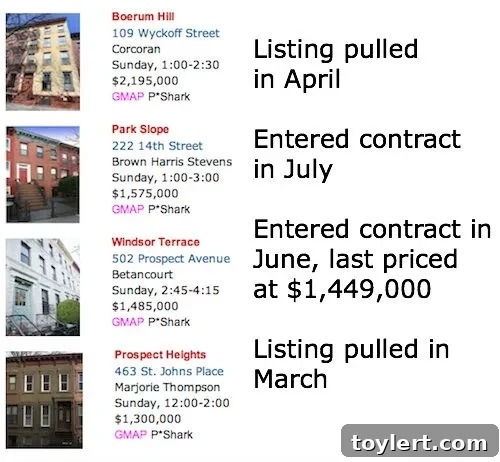
For those interested in exploring specific regional properties and localized insights, many real estate blogs offer excellent resources. For example, historical records from a popular blog might list specific properties from a bygone era, providing a fascinating glimpse into past market trends. The content from sources like Open House Picks 03/30/2012, as seen on Brownstoner, showcases how regional blogs capture the essence of local real estate over time. While specific dated picks are historical, the comprehensive analysis and forward-looking strategies discussed here are timeless tools for any serious homebuyer.