Transforming Urban Landscapes: New Trees Enhance Brooklyn Bridge Park’s Pier 3
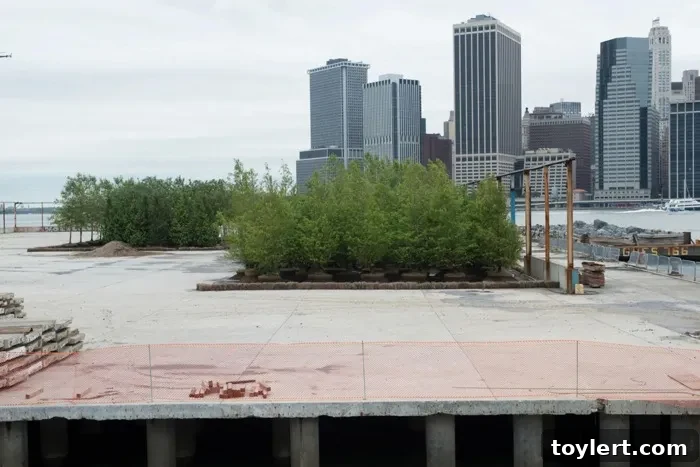
Brooklyn Bridge Park, a marvel of urban planning and ecological revitalization, is continually evolving to offer enhanced experiences for its millions of visitors. The latest exciting development centers on Pier 3, where a significant tree planting initiative is underway. New trees, carefully selected and nurtured, are poised to transform the uplands of this popular pier, promising new layers of shade, beauty, and ecological benefits. These arboreal additions represent another step in the park’s commitment to creating a vibrant, sustainable, and accessible waterfront green space for the heart of New York City.
A Vision for Green Urban Oases: Brooklyn Bridge Park’s Legacy
Brooklyn Bridge Park stands as a testament to what is possible when visionary design meets environmental stewardship. Stretching 1.3 miles along the East River waterfront, this award-winning park has converted what was once an industrial wasteland into a stunning public asset. Its intricate design seamlessly blends recreational areas, diverse landscapes, and robust ecological systems, all against the iconic backdrop of the Manhattan skyline and the Brooklyn Bridge. The park’s creation involved years of planning, community input, and innovative engineering, resulting in a dynamic space that serves as both a critical habitat for urban wildlife and a cherished retreat for city dwellers.
The philosophy behind Brooklyn Bridge Park extends beyond mere aesthetics; it embraces sustainability, resilience, and ecological functionality. Each element, from its stormwater management systems to its diverse plant palette, is chosen to contribute to the park’s overall health and the well-being of its users. The park exemplifies how green infrastructure can play a vital role in modern cities, mitigating the urban heat island effect, improving air and water quality, and fostering a deeper connection between people and nature. This ongoing tree planting project on Pier 3 is a direct continuation of that founding vision, reinforcing the park’s role as a leader in urban ecological design.
Pier 3: A Haven of Tranquility and Recreation
Among Brooklyn Bridge Park’s distinct piers, Pier 3 holds a unique charm. Designed as a spacious, flexible lawn, it offers visitors ample room for relaxation, picnicking, and informal recreation. Unlike some of its more active counterparts, Pier 3 emphasizes open space and contemplative enjoyment, providing a gentle contrast to the bustling city. The pier’s design includes various amenities, from expansive grassy areas perfect for lounging to carefully integrated seating arrangements that invite quiet reflection. Its strategic location offers unparalleled views of the harbor and lower Manhattan, making it a popular spot for both residents and tourists seeking a moment of peace amidst the urban dynamic.
The integration of Pier 3 into the broader park tapestry is seamless. It connects via pedestrian pathways that weave through diverse landscapes, leading visitors from the vibrant activity of Pier 1 to the quieter stretches further south. The uplands on Pier 3, where these new trees are being planted, are crucial to its character. These slightly elevated areas contribute to the varied topography of the park, creating pockets of intimacy and enhancing the overall visitor experience. The addition of new trees will further define these spaces, providing both visual interest and practical benefits that align perfectly with Pier 3’s serene atmosphere.
The Transformative Power of Trees: More Than Just Shade
Trees are fundamental to urban ecosystems, offering a multitude of benefits that extend far beyond their aesthetic appeal. In dense urban environments like New York City, their presence is invaluable. Environmentally, trees are nature’s air purifiers, absorbing carbon dioxide and other pollutants while releasing oxygen, thereby improving urban air quality. They play a critical role in climate regulation, providing essential shade that significantly reduces the urban heat island effect, making public spaces more comfortable during hot summer months. Furthermore, tree canopies intercept rainwater, reducing stormwater runoff and easing the burden on municipal drainage systems, which is crucial for coastal cities.
Beyond these ecological functions, trees contribute immensely to human well-being and community vitality. Studies consistently show that access to green spaces and urban tree cover can reduce stress, improve mental health, and encourage physical activity. They create inviting environments for social interaction, community gatherings, and individual contemplation. In a park like Brooklyn Bridge Park, trees enhance the aesthetic beauty, adding texture, color, and life to the landscape. They support local biodiversity by providing habitat and food sources for birds, insects, and other wildlife, enriching the park’s ecological fabric. The new trees on Pier 3 are not merely decorative elements; they are vital components of a thriving urban ecosystem and a healthier community.
A Strategic Planting Project: Flowering Trees and Evergreens
The choice of trees for Pier 3 is a thoughtful one, strategically balancing immediate benefits with long-term resilience and seasonal interest. The project focuses on planting both flowering trees and evergreens, a combination designed to maximize visual appeal, ecological function, and year-round beauty. Flowering trees will introduce vibrant bursts of color and delicate fragrances, particularly during the spring and early summer months, creating enchanting pathways and focal points within the park. Their seasonal transformations will add dynamic beauty, signaling the changing seasons and enhancing the overall visitor experience with their transient, yet spectacular, displays.
Evergreens, on the other hand, provide a crucial year-round green presence, maintaining the park’s lush appearance even through the colder months. Their dense foliage offers excellent screening and buffering capabilities, contributing to the park’s sound-attenuating features and creating a sense of enclosure and privacy in certain areas. The selection process for these trees involves rigorous consideration of their adaptability to urban conditions, resistance to pests and diseases, and their ability to thrive in a waterfront environment. This ensures that the newly planted trees will not only survive but flourish, contributing to the park’s canopy for decades to come. The blend of deciduous and evergreen species ensures a diverse and resilient landscape that offers beauty and ecological services throughout the year.
Enhancing Seating Areas and Terraces
One of the primary benefits these new trees will bring is the enhancement of the existing seating areas and terraces on Pier 3. The design of Brooklyn Bridge Park always prioritizes visitor comfort and accessibility, and strategic placement of trees plays a significant role in achieving this. By shading one of the key seating areas on a terrace, these trees will create more inviting and comfortable spaces for visitors to relax, read, or simply take in the breathtaking views. The shade provided will be particularly welcome during warmer days, allowing park-goers to spend longer periods outdoors without discomfort. These shaded nooks will transform otherwise exposed areas into cool, verdant retreats, fostering a sense of calm and promoting longer, more leisurely visits to the park. Such thoughtful design details underscore the park’s dedication to creating an unparalleled public space.
The Ingenuity of Sound-Blocking Hills
A distinctive and innovative feature of Brooklyn Bridge Park, particularly noticeable on piers like Pier 3, is the incorporation of “sound-blocking hills.” These sculpted landscape elements are not merely aesthetic; they serve a crucial functional purpose in mitigating urban noise. Strategically positioned to buffer the sounds from the nearby Brooklyn-Queens Expressway (BQE) and other urban clamor, these hills are engineered to absorb and deflect sound waves, creating quieter, more serene environments within the park. The use of varied topography, dense plantings, and specific earthworks demonstrates a sophisticated approach to urban soundscaping. The new trees, especially the evergreens with their dense foliage, will complement these hills perfectly. By adding another layer of natural sound absorption and visual screening, they will enhance the effectiveness of these sound barriers, further immersing visitors in the natural tranquility of the park and creating a more profound sense of escape from the city’s ceaseless hum.
The Journey from Nursery to Park: A New Beginning
The trees destined for Pier 3 are currently in their temporary home, patiently awaiting their final placement. This waiting period is critical, allowing the trees to acclimate and be prepared for the delicate process of transplanting. Horticultural experts oversee this crucial stage, ensuring each tree is robust and ready for its new environment. The sight of these trees, neatly arranged and vibrant with life, symbolizes the care and foresight invested in Brooklyn Bridge Park’s ongoing development. The upcoming planting day, eagerly anticipated by the park’s maintenance teams, marks not just a logistical task but a symbolic act of growth and renewal. Each tree represents a promise for a greener future, a living testament to the park’s commitment to enhancing its ecological richness and providing enduring beauty for generations of New Yorkers and visitors alike. This meticulous process ensures that these new additions will thrive, becoming integral components of the park’s beloved landscape.
Sustaining the Future: Brooklyn Bridge Park’s Commitment to Green Infrastructure
The planting of new trees on Pier 3 is part of Brooklyn Bridge Park’s broader, ongoing commitment to maintaining and expanding its green infrastructure. The park’s management employs sustainable practices in all aspects of its operations, from water conservation to integrated pest management. The long-term success of these newly planted trees will depend on consistent care, including proper irrigation, mulching, and monitoring for health and vitality. The park serves as a living laboratory for urban ecology, continuously evaluating and adapting its practices to ensure the resilience and sustainability of its landscapes. By investing in robust planting initiatives and meticulous maintenance, Brooklyn Bridge Park reinforces its role as a model for urban park development, showcasing how even highly developed urban waterfronts can be transformed into vibrant, ecologically rich public spaces that serve both nature and community.
Conclusion: A Greener Tomorrow for New York City
The addition of new flowering trees and evergreens to Pier 3 in Brooklyn Bridge Park is more than just a beautification project; it is an investment in the park’s ecological health, visitor experience, and the long-term sustainability of New York City’s urban landscape. These trees will not only provide much-needed shade and visual appeal but also contribute significantly to air quality, biodiversity, and noise reduction, enhancing the tranquil atmosphere of the sound-blocking hills and inviting seating areas. As these trees take root and flourish, they will further cement Brooklyn Bridge Park’s reputation as a world-class green oasis, offering a serene escape and a vibrant natural environment for everyone to enjoy. We invite you to visit Pier 3 and witness the unfolding beauty and transformation, experiencing firsthand the profound impact of thoughtful urban greening.
Photo by Julienne Schaer