Navigating Brooklyn’s Dynamic Rental Market: Insights from the February 2012 MNS Report
The Brooklyn rental market is a vibrant and ever-evolving landscape, constantly presenting both challenges and opportunities for prospective tenants. Understanding its nuances requires a close look at detailed market analyses, such as those provided by reputable real estate firms. In February 2012, the monthly check-in from MNS offered a crucial snapshot, revealing a fascinating duality: specific neighborhoods and unit types experiencing price drops, while the broader market for larger apartments saw significant year-over-year increases. This report serves as an excellent case study in how localized factors and seasonal trends can influence rental prices, providing valuable lessons for anyone looking to secure an apartment in this highly sought-after borough.
The MNS February 2012 report highlighted the cyclical nature of the rental market, suggesting that the observed decreases might be attributed to the period being the “slowest time of year” for rentals. During such periods, reduced demand can lead to less competition among renters and, consequently, more favorable conditions for negotiating rent. For renters keenly observing the market, these seasonal dips can present a strategic window to find better deals or secure an apartment with more attractive terms.
Key Findings from the MNS February 2012 Brooklyn Rental Market Report
The MNS report painted a detailed picture of the Brooklyn rental scene, showcasing a diverse set of trends across different neighborhoods and apartment sizes. While some segments of the market softened, others continued their upward trajectory, underscoring Brooklyn’s complex real estate ecosystem.
Neighborhoods Offering Rental Decreases
For renters focused on specific areas, the report identified several Brooklyn neighborhoods that experienced slight, yet notable, decreases in average monthly rents compared to the previous month. These pockets of opportunity were particularly welcome in a market often characterized by rising prices.
- Clinton Hill: This popular neighborhood saw an average decrease of $48 across all unit types since January. For renters, even a modest reduction like this can translate into significant annual savings, making Clinton Hill an attractive option during this period.
- Boerum Hill: Known for its charming brownstones and vibrant main streets, Boerum Hill also presented more affordable options for larger units. One-bedroom apartments and two-bedroom apartments in this area experienced average decreases of $182 each. Such a substantial drop for these unit types indicated a potential buyer’s market for those seeking more space.
- Park Slope: A perennial favorite for families and individuals alike, Park Slope also saw reductions in its one-bedroom and two-bedroom apartment rents, with average decreases of $87 respectively. While less dramatic than Boerum Hill, this still represented a softening in a typically competitive market.
- Dumbo: In the upscale Dumbo neighborhood, studio apartment rents went down by an average of $13, and one-bedroom apartments saw a more significant drop of $81. These reductions, especially for one-bedrooms, could make Dumbo more accessible to a broader range of renters seeking its unique blend of industrial charm and waterfront amenities.
These localized decreases suggest that while Brooklyn’s overall desirability remained high, specific market adjustments were at play. Factors such as new inventory, slightly lower demand in certain sub-markets, or the aforementioned seasonal slowdown likely contributed to these more tenant-friendly conditions.
Spotlight on Studio “Steals” Across Brooklyn
Beyond the specific unit type decreases, the MNS report highlighted attractive opportunities for studio apartments in several diverse Brooklyn neighborhoods, labeling them as genuine “steals.” This segment of the market proved particularly beneficial for single occupants or those on tighter budgets seeking an entry point into Brooklyn living.
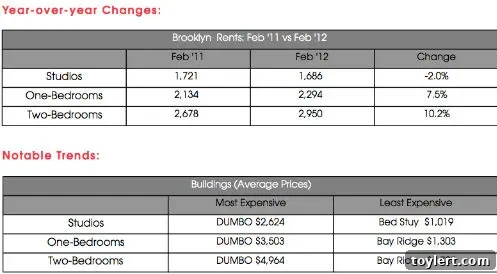
- Bay Ridge and Bed-Stuy: Renters in search of studio apartments could find options for just under $1,100 per month in these neighborhoods. Bay Ridge, with its diverse community and scenic waterfront, and Bed-Stuy, known for its historic architecture and burgeoning cultural scene, offered exceptional value at this price point. Such affordability made these areas highly appealing for those prioritizing budget without sacrificing access to Brooklyn’s amenities.
- Bushwick and Cobble Hill: Studio prices also reportedly dropped in Bushwick, a rapidly gentrifying area popular with artists and young professionals, and in the more established, picturesque Cobble Hill. These decreases further broadened the range of choices for studio apartment seekers, from the trend-setting to the more traditional.
The availability of these studio “steals” underscores a recurring theme in the Brooklyn rental market: even when prices are generally on the rise, specific niches and property types can still offer relative affordability. This requires renters to be diligent in their research and open to exploring different parts of the borough.
The Rising Cost of Larger Units Year-Over-Year
Despite the localized decreases and studio opportunities, the MNS report also delivered a clear message: for one-bedroom and two-bedroom apartments, rents had gone up substantially across Brooklyn compared to the same period the previous year. This upward trend reflected the increasing desirability and competition for more spacious living arrangements in the borough.
- Average One-Bedroom Rent: As per the report’s findings, the average Brooklyn one-bedroom apartment would set a renter back $2,294 per month. This figure represented a significant year-over-year increase, signaling robust demand for single-bedroom units.
- Average Two-Bedroom Rent: For those requiring even more space, a two-bedroom apartment in Brooklyn averaged $2,950 per month. This near-$3,000 threshold highlighted the premium placed on multi-bedroom units, likely driven by families, roommates, or individuals seeking home office space.
The contrast between the monthly dips in certain neighborhoods and the substantial annual increases for larger units reveals a dynamic market. While seasonal factors might offer temporary relief in specific micro-markets, the long-term trend for more expansive living spaces pointed towards continued appreciation, driven by Brooklyn’s enduring appeal as a residential hub.
Factors Shaping the Brooklyn Rental Market
The Brooklyn rental market is influenced by a complex interplay of economic, social, and demographic factors. Understanding these underlying forces helps contextualize reports like MNS’s and provides a clearer picture for current and future renters.
- Supply and Demand Dynamics: The most fundamental principle, supply and demand, dictates rental prices. Brooklyn’s increasing population, driven by job growth in New York City and the borough’s own burgeoning industries, consistently fuels demand. If new housing supply doesn’t keep pace, prices inevitably rise.
- Neighborhood Popularity and Gentrification: As neighborhoods gain popularity due to improved amenities, transit options, or cultural appeal, demand intensifies, leading to higher rents. This process, often termed gentrification, can rapidly transform an area’s rental landscape.
- Seasonal Trends: As observed in the MNS report, seasonality plays a significant role. The slowest times of the year (typically late fall and winter) often see fewer renters, giving tenants more leverage. Peak seasons (spring and summer) are usually more competitive with higher prices.
- Broader Economic Climate: Factors like interest rates (which affect homeownership affordability, pushing more people into the rental market), inflation, and general economic stability can have a ripple effect on rental prices. A strong economy often means more people can afford higher rents.
- New Development and Infrastructure: The construction of new residential buildings introduces more inventory, which can sometimes temper price increases in the immediate vicinity. Similarly, improvements in public transit or local infrastructure can boost an area’s desirability and, consequently, its rental values.
Navigating the Brooklyn Rental Market as a Prospective Tenant
For anyone embarking on the journey to find an apartment in Brooklyn, the insights from reports like the MNS February 2012 update offer valuable guidance. Being well-informed and strategic can make a significant difference in securing a desirable apartment at a reasonable price.
- Do Your Research Thoroughly: Always consult the latest rental market reports from reputable firms. Look beyond borough-wide averages and delve into specific neighborhood and unit type trends that align with your needs. Websites and local real estate publications are invaluable resources.
- Understand Seasonal Advantages: If your timeline allows, consider timing your apartment hunt during the slower rental seasons (e.g., late fall to early spring). As the MNS report indicated, this period can present opportunities for lower rents and less competition.
- Be Prepared and Act Quickly: The Brooklyn market can move fast. Have all necessary documents ready, including proof of income, credit reports, and references. Be prepared to make a decision and submit an application promptly if you find a suitable place.
- Be Flexible with Neighborhoods: While you might have a dream neighborhood, staying open to alternatives can uncover hidden gems or more affordable options. Explore areas with good transit links or those on the cusp of development.
- Don’t Shy Away from Negotiation: Especially during slower market periods or for apartments that have been on the market for a while, there might be room to negotiate on rent, lease terms, or amenities.
- Consider Working with a Reputable Broker: While it may involve a fee, a good broker can provide invaluable local expertise, access to off-market listings, and negotiation assistance, saving you time and potentially money in the long run.
Beyond February 2012: Long-Term Trends and Future Outlook
While the MNS February 2012 report provides a snapshot of a particular moment, it also reflects enduring dynamics within the Brooklyn rental market. The borough’s continuous evolution, fueled by its vibrant culture, economic opportunities, and diverse communities, suggests that demand for housing will likely remain strong. Long-term trends indicate a general appreciation in rental values, even with periodic fluctuations and seasonal adjustments.
Looking ahead, factors such as new commercial developments, continued infrastructure improvements, and shifts in remote work policies could further shape rental prices and desirability across Brooklyn’s many unique neighborhoods. Renters are encouraged to stay vigilant, consult current market data, and adapt their strategies to the ever-changing landscape. The key to successful apartment hunting in Brooklyn lies in informed decision-making and a proactive approach, leveraging available data to find the best possible value in this dynamic urban environment.
For the complete details and a comprehensive overview of the market conditions described, refer to the original source:
February 2012 Brooklyn Rental Report [MNS]