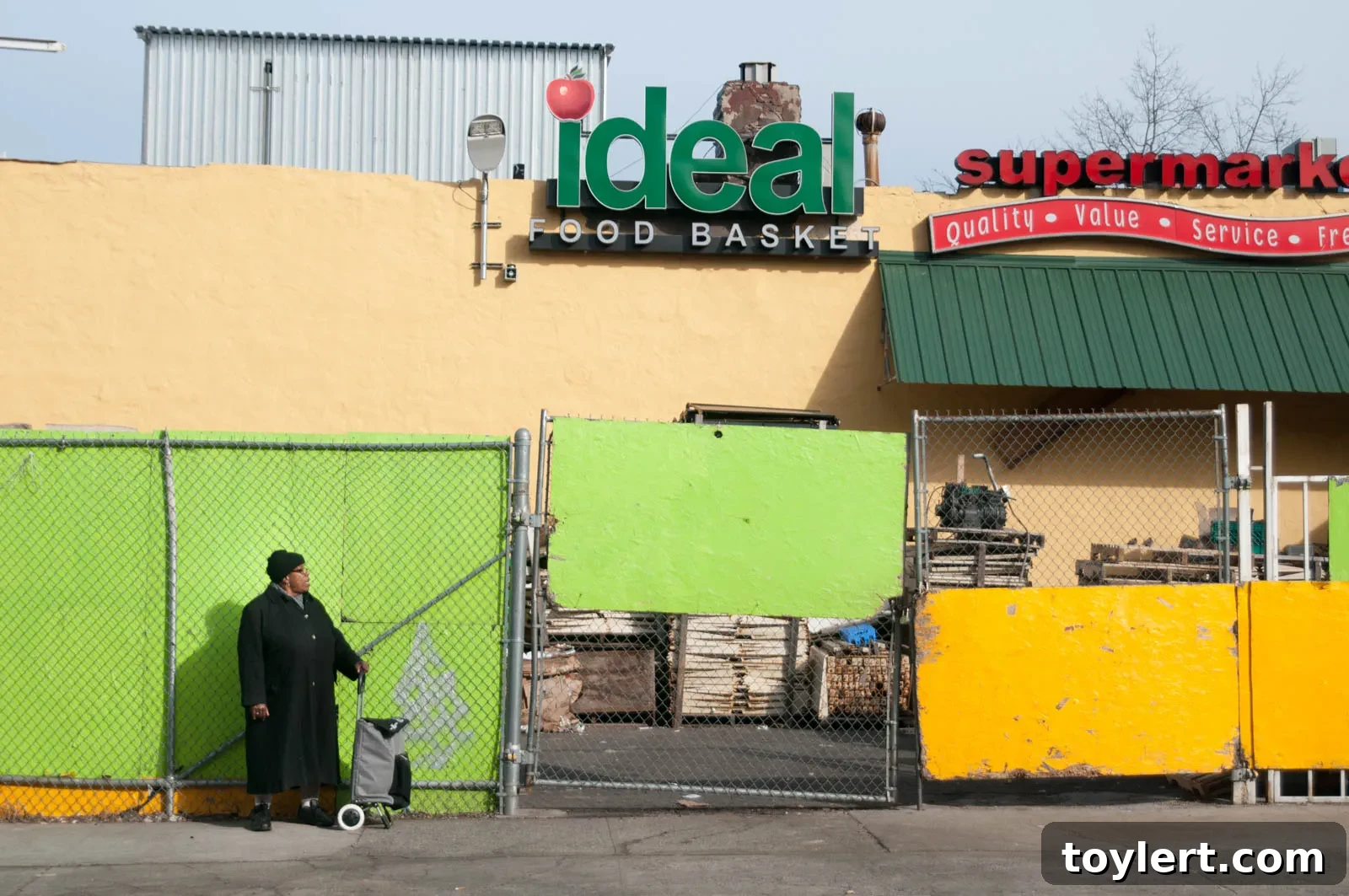
Navigating Brooklyn’s Dynamic Landscape: Real Estate, Development, and Community Insights
Brooklyn continues to captivate residents and investors alike, embodying a unique blend of historical charm and relentless innovation. From its picturesque brownstones to its ever-evolving skyline, the borough is a microcosm of urban dynamism, constantly balancing growth with the preservation of its diverse communities. Recent headlines underscore this intricate dance, revealing significant shifts in real estate, urban planning, and the everyday lives of New Yorkers. This comprehensive overview delves into the pivotal trends shaping Brooklyn’s future, examining everything from crucial tenant protections and ambitious development projects to advancements in urban infrastructure and the thriving luxury market, all while highlighting the vibrant spirit that defines this iconic borough.
The narratives emerging from various Brooklyn neighborhoods paint a vivid picture of a city in motion. As new policies are enacted to safeguard vulnerable populations, and ambitious construction projects redefine local skylines, residents and stakeholders grapple with the implications of rapid change. This article explores these multifaceted developments, offering a deeper understanding of the forces at play in one of the world’s most exciting urban centers. We’ll look at how legislative efforts aim to create a fairer housing market, how large-scale rezonings fuel both opportunity and concern, and how innovative solutions are making city life more convenient. Brooklyn’s story is one of continuous transformation, marked by both progress and persistent challenges.
Brooklyn’s Evolving Housing Landscape: Protecting Tenants and Fueling Development
The housing market in Brooklyn is a complex ecosystem, constantly influenced by legislative changes, major development initiatives, and the ongoing struggle for equitable living conditions. Recent events highlight both strides in tenant protection and the relentless pace of new construction and investment that continues to reshape the borough.
Strengthening Tenant Protections and Landlord Accountability
In a significant move towards greater housing equity, New York City has banned landlords from discriminating against victims of domestic violence. This crucial legislation provides a vital shield for individuals who have already endured immense hardship, ensuring that their housing security is not further jeopardized by their circumstances. The law recognizes the unique vulnerabilities faced by domestic violence survivors, often preventing them from securing or maintaining safe housing due to past incidents. By prohibiting discrimination based on such histories, the city aims to remove a significant barrier to recovery and stability, underscoring a broader commitment to social justice within its housing policies. This protective measure is a testament to the ongoing efforts to create a more humane and just housing environment for all residents, particularly those in precarious situations.
However, the struggle for fair housing extends beyond legal protections, often involving direct confrontations with unscrupulous landlords. A notable incident involving a Prospect Lefferts Gardens landlord who reportedly ran from state investigators casts a stark light on the persistent issue of landlord misconduct. Such cases highlight the challenges faced by tenants in securing their rights and the critical role of regulatory bodies like the New York State Homes and Community Renewal (DHCR) in enforcing housing laws. These incidents often involve allegations of tenant harassment, illegal rent increases, or neglect of property maintenance, all of which significantly diminish the quality of life for residents. The pursuit of accountability for landlords who flout regulations remains a priority for tenant advocates and city officials alike, as they strive to protect vulnerable communities from exploitation and maintain the integrity of Brooklyn’s diverse neighborhoods. The ongoing battle for tenant rights is a foundational element of maintaining equitable communities amidst rapid urban development.
The Pulse of Development: Rezoning, New Construction, and Speculation
Brooklyn’s real estate market continues to be a magnet for investment and development, leading to both revitalization and apprehension within its communities. One of the most impactful discussions revolves around the proposed rezoning in East New York. While proponents argue that rezoning can bring much-needed affordable housing, commercial growth, and infrastructure improvements to underserved areas, critics often voice concerns about the potential for rampant speculation and gentrification. The fear is that such changes could trigger a rapid increase in property values, pricing out long-term residents and local businesses, thereby eroding the very fabric of the community. The debate surrounding rezoning reflects a citywide struggle to balance the need for growth and new housing with the imperative to protect existing communities from displacement and preserve neighborhood character. These discussions are critical for ensuring that development serves all segments of the population, not just new arrivals or wealthy investors.
Concurrent with these policy debates, new construction projects are continuously breaking ground across the borough. For instance, Slate has filed plans for a 117-unit building in East Williamsburg, a testament to the ongoing demand for residential spaces in sought-after areas. This project, like many others, symbolizes the relentless expansion of Brooklyn’s housing supply, aiming to accommodate its growing population. These developments often bring modern amenities and diverse housing options, but they also contribute to the changing architectural landscape and demographic shifts in established neighborhoods. Furthermore, the real estate industry itself is undergoing consolidation, as seen with Halstead’s acquisition of Temple Morrow. Such mergers reflect growing confidence in Brooklyn’s real estate market and indicate a strategic move by larger firms to expand their footprint in key urban centers. This consolidation often leads to enhanced resources and wider market reach, further shaping the competitive landscape of brokerage and property management within the borough.
Addressing Challenges in Public Housing and Labor Practices
Public housing remains a cornerstone of affordable living for many New Yorkers, yet it frequently faces systemic challenges. A concerning report revealed that contractors shorted workers $1 million on NYCHA projects in Crown Heights and Brownsville. This egregious act not only defrauds laborers of their rightful wages but also highlights broader issues of oversight and accountability within public works projects. Such incidents undermine trust in public institutions and can lead to a decline in work quality, ultimately impacting the residents who rely on these facilities. The integrity of public housing projects is paramount, not only for providing essential shelter but also for ensuring fair labor practices and the responsible allocation of taxpayer money. The Brooklyn District Attorney’s investigation into these matters underscores the serious commitment to combating corruption and protecting the rights of workers, especially those involved in projects designed to benefit the wider community. Addressing these deep-seated issues is crucial for restoring confidence in the New York City Housing Authority (NYCHA) and ensuring that its vital mission is carried out ethically and effectively.
Enhancing Urban Living: Infrastructure, Lifestyle, and Innovation in Brooklyn
Beyond the housing market, Brooklyn’s dynamic character is shaped by continuous efforts to improve urban infrastructure, adapt lifestyles, and embrace technological innovations. These developments directly impact the quality of life, mobility, and connectivity for millions of residents.
Sustainable Mobility: The Rise of Protected Bike Lanes
As New York City increasingly embraces sustainable transportation, the expansion of its cycling infrastructure stands out as a key initiative. This year, NYC is set to install a record number of protected bike lanes, a move that significantly enhances urban mobility and safety for cyclists. Protected bike lanes, physically separated from vehicular traffic, offer a safer and more appealing alternative for commuters and recreational riders. This commitment to expanding the cycling network reflects a broader vision for a greener, more accessible city, reducing reliance on cars and alleviating traffic congestion. The benefits are manifold: they promote healthier lifestyles, decrease carbon emissions, and make city streets safer for all users. These infrastructure upgrades are crucial for integrating cycling into the city’s transportation fabric, encouraging more residents to choose bikes for their daily commutes and leisure activities. The expansion of these lanes also aligns with global trends towards creating more pedestrian and cyclist-friendly urban environments, making Brooklyn an even more attractive place to live and explore.
Brooklyn’s Diverse Real Estate: From Luxury to Creative Renovations
Brooklyn’s real estate market is renowned for its diversity, offering everything from opulent luxury homes to charming, creatively renovated spaces that reflect the borough’s artistic spirit. At the apex of the market, properties like the first of a new row of luxury homes in Boerum Hill, a giant “Carriage House” with terraces, hitting the market at $11 million, showcase the borough’s appeal to high-net-worth individuals. These homes often blend historical architectural elements with state-of-the-art modern amenities, offering unparalleled comfort and sophistication. Such high-value properties reflect the intense demand for unique, spacious, and well-located residences in Brooklyn, further cementing its status as a prime luxury market. The design and scale of these homes speak to a discerning clientele looking for exclusivity and architectural distinctiveness.
Beyond the ultra-luxury segment, a vibrant trend of thoughtful renovation is transforming older Brooklyn properties into modern havens. An excellent example is a light and bright Williamsburg row house that was rebuilt from the ground up. This project illustrates how homeowners and architects are reinterpreting classic Brooklyn structures for contemporary living, often prioritizing natural light, open spaces, and efficient design. Similarly, a creative couple transforming a Crown Heights “wreck” into a colorful family home highlights the potential for personalized, imaginative renovations. These projects celebrate individuality and sustainability, breathing new life into aging properties while preserving the unique character of Brooklyn’s neighborhoods. They also signify a growing desire among residents to craft homes that truly reflect their personalities and lifestyles, often turning dilapidated structures into vibrant, functional, and aesthetically pleasing spaces that contribute to the ongoing revitalization of their communities.
Bridging the Digital Divide: Technology for the Urban Commuter
In a city as sprawling and digitally dependent as New York, even mundane challenges can inspire innovative technological solutions. A new app called Subspotting addresses a perennial commuter frustration: finding cell phone service on the subway. This ingenious tool provides a map showing exactly where commuters can catch a signal while traveling underground. For millions who rely on the subway daily, having reliable connectivity can be crucial for work, emergencies, or simply staying entertained. The creators of Subspotting employed a fascinating data collection method, demonstrating the power of grassroots innovation in solving urban problems. This app is more than just a convenience; it’s a small but significant step towards making public transit a more connected and productive experience. It also reflects a broader trend in smart city development, where technology is leveraged to improve everyday urban life, making commuting less isolated and more efficient. As the city continues to integrate technology into its infrastructure, such user-focused applications will play an increasingly important role in enhancing the urban experience.
Brooklyn’s Enduring Spirit: A Future Forged in Change
Brooklyn stands at a crossroads, where its rich history converges with a future shaped by relentless development, progressive policies, and community-driven initiatives. The mosaic of news and trends discussed—from the vital protection of tenants and the robust debates over rezoning to the expansion of sustainable infrastructure and the vibrant real estate market—all contribute to the borough’s ever-evolving narrative. Brooklyn’s resilience is evident in its ability to embrace change while fiercely defending its unique identity and diverse communities.
As Brooklyn moves forward, the dialogue between growth and preservation will continue to be central. The commitment to creating equitable housing, fostering responsible development, improving urban infrastructure, and harnessing technology for the betterment of daily life underscores a collective ambition to build a city that is inclusive, sustainable, and dynamic. These efforts collectively ensure that Brooklyn remains a beacon of urban innovation and a testament to the enduring spirit of its residents, always adapting, always growing, and always retaining its inimitable charm. The ongoing story of Brooklyn is one of constant evolution, promising a future as rich and varied as its past.