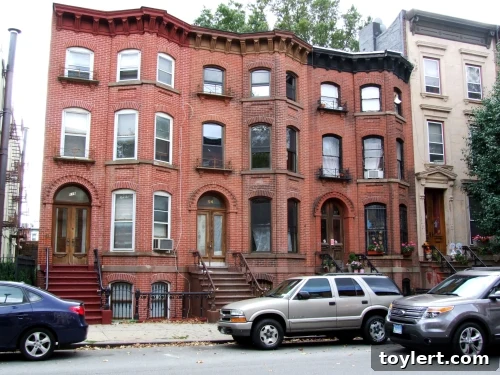
Exploring Brooklyn’s Timeless Row Houses: A Journey Through Architectural Heritage and Urban Charm
Brooklyn, a borough synonymous with vibrant culture and distinct neighborhoods, owes much of its iconic charm to its remarkable collection of historic row houses. These elegant structures are more than just buildings; they are enduring symbols of a rich past, testaments to masterful craftsmanship, and sought-after residences that encapsulate the essence of urban living. Walking through Brooklyn’s tree-lined streets, one cannot help but be captivated by the architectural symphony of these homes, each telling a story of a bygone era yet vibrantly alive in the present. This article delves into the fascinating world of Brooklyn row houses, their historical significance, diverse architectural styles, and their profound impact on the borough’s identity, spotlighting examples like the stately residences found on Decatur Street.
The Enduring Allure of Brooklyn Row Houses
The appeal of Brooklyn’s row houses extends far beyond their aesthetic beauty. For many, they represent a tangible connection to history, offering a sense of stability and authenticity in a constantly evolving city. Unlike modern constructions, these homes often feature intricate details, robust materials, and a timeless design that continues to command admiration. Their consistent street frontage creates a harmonious urban fabric, fostering a sense of community and architectural cohesion that is increasingly rare. From the grand brownstones of Park Slope and Brooklyn Heights to the more understated yet equally charming brick rows of Bushwick and Bedford-Stuyvesant, each neighborhood showcases its own unique interpretation of this beloved housing type.
The term “row house” itself conjures images of elegant stoops, bay windows, and meticulously crafted cornices, all contributing to a picturesque streetscape. These residences, typically sharing side walls with adjacent homes, maximize urban space while providing individual dwelling units. This design not only made efficient use of land but also fostered a particular kind of neighborhood development, creating tight-knit communities where front stoops became informal gathering places and streets buzzed with life.
A Glimpse into History: The Genesis of Brooklyn’s Architectural Landscape
The widespread development of row houses in Brooklyn began in the mid-19th century, driven by a booming population and the need for efficient urban housing. As New York City expanded, Brooklyn emerged as a desirable residential area, attracting professionals and families seeking a quieter, more spacious alternative to Manhattan. Developers and architects responded by constructing rows of elegant homes, often speculatively, to meet the surging demand. These homes were designed to convey status and comfort, reflecting the aspirations of the city’s burgeoning middle and upper classes.
The materials used significantly contributed to their distinct character. Brownstone, a reddish-brown sandstone, became a hallmark of luxury and sophistication, particularly in neighborhoods like Brooklyn Heights, Park Slope, and parts of Bedford-Stuyvesant. Its rich color and carvable nature allowed for elaborate ornamentation, including decorative lintels, cornices, and detailed facades. Other materials like brick and limestone were also prevalent, each lending a different texture and hue to the borough’s diverse architectural tapestry.
Architectural Marvels: Styles and Distinctive Details
Brooklyn’s row houses showcase a fascinating array of architectural styles, each popular during specific periods and reflecting the prevailing design sensibilities of its time. Understanding these styles provides deeper insight into the historical progression of the borough’s built environment:
- Italianate (1840s-1870s): Characterized by low-pitched roofs, wide overhanging eaves with decorative brackets, tall narrow windows, and ornate stoops. Many brownstones feature this style, often with arched window frames and heavy cornices.
- Neo-Grec (1860s-1880s): A more restrained and angular style compared to Italianate. It features incised ornamentation, flat window lintels with geometric patterns, and a more robust, weighty appearance. The detail is carved directly into the stone, rather than applied.
- Romanesque Revival (1880s-1890s): Influenced by the work of H.H. Richardson, this style is known for its rough-faced stone, round arches, heavy masonry, and deep window recesses. It exudes a sense of solidity and grandeur.
- Queen Anne (1880s-1900s): While more common in detached suburban homes, some row houses incorporate Queen Anne elements such as turrets, bay windows, varied textures (brick mixed with terracotta or shingles), and intricate spindle work on porches.
- Renaissance Revival (1890s-1910s): Often featuring lighter-colored stone or brick, this style draws inspiration from Italian Renaissance palaces, with rusticated bases, smooth upper stories, and classical motifs.
Beyond these overarching styles, individual elements contribute significantly to the character of each row house: the majestic stoops that lead to the main entrance, often adorned with elaborate cast-iron railings; the decorative cornices that crown the building, protecting the facade and adding visual flair; the varied window treatments, from tall arched openings to projecting bay windows that flood interiors with light; and the intricate details found in door surrounds and decorative elements, often reflecting the craftsmanship of a bygone era.
Decatur Street: A Microcosm of Brooklyn’s Architectural Grandeur
Decatur Street, particularly in the historic Stuyvesant Heights section of Bedford-Stuyvesant, stands as a prime example of Brooklyn’s rich architectural heritage. This charming, tree-lined thoroughfare is renowned for its remarkably preserved rows of brownstones and limestones, showcasing a harmonious blend of Neo-Grec and Romanesque Revival styles. The buildings at 112-116 Decatur Street, for instance, are exemplary specimens of late 19th-century urban residential architecture. Likely constructed in the 1880s, these homes represent the aspirational quality of Brooklyn living during its formative decades as a residential powerhouse.
Imagine these specific houses: perhaps a pair of grand Neo-Grec brownstones, symmetrical in their composition, featuring deeply incised geometric patterns around their window frames and robust stoops with original wrought-iron railings. Their facades, meticulously maintained over generations, speak volumes of the quality of materials and construction prevalent at the time. The details—the intricate carving of the pilasters, the classic motifs above the entrance, the sturdy yet elegant cornice—would collectively paint a picture of enduring craftsmanship and architectural integrity. These homes are not merely dwellings; they are monuments to a period when Brooklyn was rapidly defining its identity through its built environment, attracting families who valued both aesthetic beauty and structural solidity.
The street itself tells a story of community and transformation. Once home to prominent merchants, professionals, and civic leaders, Decatur Street has maintained its residential charm and historical significance, thanks in large part to dedicated residents and active preservation efforts. The continuous rows of architecturally significant homes create a powerful sense of place, offering a serene escape within the bustling metropolis.
The Enduring Legacy: Living in a Brooklyn Row House Today
Today, living in a Brooklyn row house means embracing a unique blend of history and modernity. While these homes offer unparalleled character and spacious interiors, they also come with the responsibilities of maintaining a historic property. Renovation projects often involve a delicate balance between upgrading for contemporary comfort and preserving original architectural details. Owners frequently invest in restoring facades, updating plumbing and electrical systems, and redesigning interiors to suit modern lifestyles while honoring the home’s heritage.
The investment in these properties is substantial, not just financially but also in terms of commitment to historical preservation. Many row houses have been thoughtfully converted into multi-family dwellings or retain their original single-family grandeur, catering to a diverse range of residents. The demand for these homes remains incredibly high, reflecting their status as prime real estate and desirable places to live.
Beyond individual residences, the collective impact of Brooklyn’s row houses on the borough’s character is immense. They contribute to a vibrant street life, encourage pedestrian activity, and foster a strong sense of neighborhood identity. Local historical societies and community groups play a crucial role in advocating for the preservation of these architectural treasures, ensuring that future generations can also appreciate their beauty and significance.
Conclusion: A Legacy Cast in Stone
Brooklyn’s row houses are more than just architectural forms; they are the very bedrock of its identity. From the stately brownstones of Stuyvesant Heights to the charming brick homes in other historic districts, each building contributes to a narrative of growth, resilience, and timeless elegance. Structures like those at 112-116 Decatur Street serve as powerful reminders of the meticulous craftsmanship and visionary urban planning that shaped Brooklyn. As the borough continues to evolve, these historic homes stand as proud sentinels, preserving the soul of Brooklyn one elegant facade at a time, inviting residents and visitors alike to step back in time and appreciate a legacy truly cast in stone.