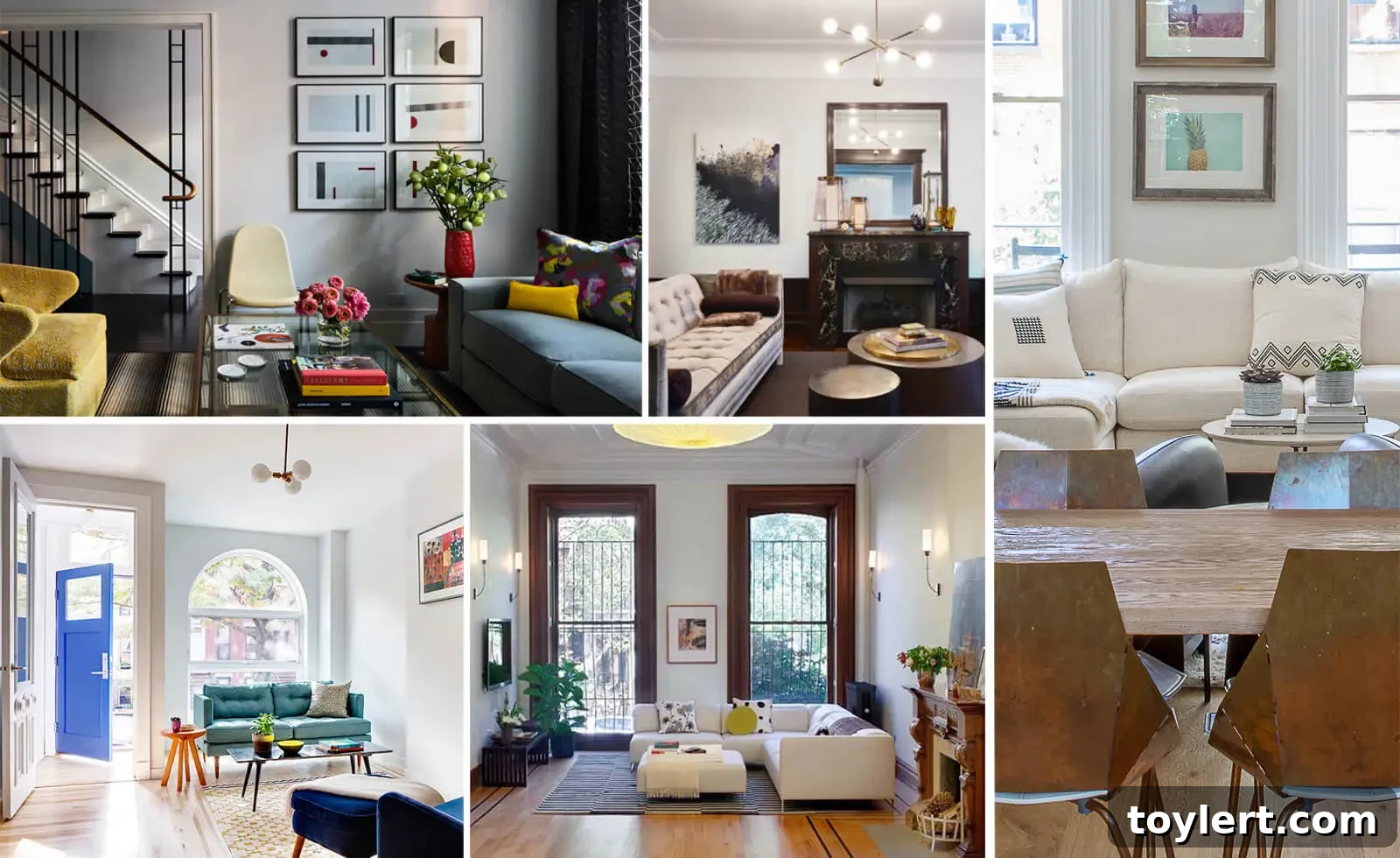
Mastering Brownstone & Townhouse Parlor Layouts: A Guide to Elegant & Functional Design
Navigating the unique challenges of designing a long, narrow parlor in a traditional brownstone or townhouse can be a daunting task, even for those with an innate sense of style. These historic homes often present a parlor level that must function as a multi-purpose hub – encompassing the kitchen, dining room, and main living area. The architectural integrity of the space, potentially featuring original fireplaces or a grand pier mirror, can further complicate or inspire its transformation.
The inherent difficulty stems from a fundamental mismatch between historical design and contemporary living. As interior designer Jennifer Morris insightfully notes, “The biggest problem is that that space was never meant to function the way that we now live our lives, which is with more generous pieces of furniture and a more open idea of American living where kitchen, living and dining spaces blur together.” She emphasizes the leap from a formal greeting space of a century ago to today’s desire for “big, comfy pieces of furniture” and versatile environments.
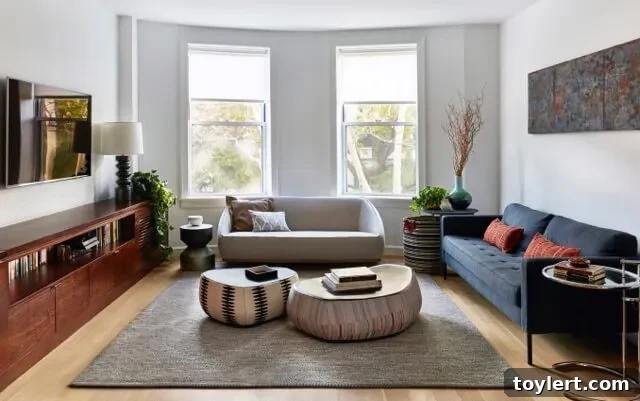
Defining Your Parlor’s Purpose: The Crucial First Step
Before any furniture is moved or decor considered, the primary step, as Morris advises, is to clearly define how you intend to use the space. Will it primarily serve as a cozy lounge for television viewing, a vibrant play area for children, or a more formal setting for entertaining guests and dining? This initial assessment is paramount, especially if the parlor level is tasked with accommodating kitchen, living, and dining functions simultaneously. In such multi-functional layouts, many homeowners find it most effective to position the main living area, often featuring the primary seating, closest to the front windows, capitalizing on natural light and street views.
Considering the historical context, brownstone parlors were designed for receiving guests formally. Today, these spaces are the heart of family life. This shift necessitates a reimagining of the layout. Do you need a dedicated workspace? A reading nook? An area for casual meals? By clearly outlining your functional needs, you can begin to mentally (or physically) segment the long, narrow space into distinct zones, each serving its specific purpose without feeling cramped or disjointed.
Strategic Layouts for Long, Narrow Parlors
Once the parlor’s purpose is established, the real work of space planning begins. The goal is to counteract the “bowling alley” effect often associated with long, narrow rooms, creating instead a series of inviting and functional zones.
The Front-Window Living Area
Placing the primary living area near the front windows is a popular and effective strategy. This arrangement takes advantage of natural light and often provides a pleasant outlook. For seating, consider an L-shaped sectional sofa that grounds the space and encourages conversation. Alternatively, a long sofa flanked by two comfortable armchairs facing each other across a coffee table can create an intimate grouping. Ensure there’s enough space behind the sofa for circulation, even if it means placing it a few feet from the wall. This allows for the integration of slim console tables or shelves that can enhance storage or display decorative items.
Zoned Living: Creating Distinct Areas
To break up the linearity of a long room, clever zoning is essential. Area rugs are incredibly effective for this, visually delineating different functions. A large rug can define the living area, while a smaller, complementary rug can mark a dining space or a reading corner. Low-profile bookshelves or console tables can also act as subtle room dividers without blocking light or flow. Avoid tall, solid dividers that would chop up the space and emphasize its narrowness. Instead, opt for open shelving units or even decorative screens that offer a glimpse through to the next zone, maintaining a sense of openness while providing definition.
Consider the typical flow of activity. If the kitchen is at one end, the dining area might logically follow, leading into the living space. Or, if the living area is at the front, a cozy reading nook or a small home office setup could occupy the middle, with dining or kitchen functions towards the rear. The key is to create a natural progression of spaces that feel connected yet distinct.
Leveraging Architectural Features
Historic features like fireplaces, built-in shelving, or a pier mirror are invaluable assets. A fireplace naturally becomes a focal point around which a seating arrangement can be centered. A grand pier mirror, often found between front windows, is not just decorative; its reflective surface can significantly amplify natural light and make the room feel much wider and brighter. Integrate these features into your design rather than trying to hide them. Built-in elements can offer much-needed storage or display opportunities, turning potential dead space into functional design statements.
Furniture Selection: Maximizing Space and Comfort
The right furniture choices are critical for comfort, functionality, and aesthetic appeal in a narrow parlor. It’s not just about what you buy, but how it fits into the overall scheme.
Scale and Proportion
One of the most common mistakes in designing narrow spaces is choosing furniture that is too bulky or too small. Overly large pieces can overwhelm the room and impede movement, while excessively small items can look lost and fail to serve their purpose. Opt for furniture with slim profiles and exposed legs, which create a sense of lightness and allow more floor space to be visible. Measure everything meticulously and even tape out furniture dimensions on the floor to visualize the impact before making purchases.
Multi-functional Pieces
In a multi-purpose parlor, every piece of furniture should earn its keep. Ottomans with hidden storage, coffee tables that double as work surfaces, or modular sofas that can be reconfigured for different occasions are excellent investments. Wall-mounted shelves or floating consoles can provide display and storage without consuming valuable floor space. A dining bench that can be pushed against a wall when not in use is another space-saving marvel.
Seating Solutions
Beyond traditional sofas, explore other seating options. Armless chairs or chaises can offer comfortable seating without the bulk of traditional armrests, making them ideal for narrow layouts. Banquette seating built into a dining nook can be a space-efficient and charming solution, often incorporating storage beneath the seats. Consider incorporating a mix of seating types – a main sofa, a couple of accent chairs, and perhaps a stylish bench – to add visual interest and flexibility.
Illuminating Your Parlor: Lighting Strategies
Effective lighting can dramatically transform a long, narrow room, making it feel more expansive and inviting. It’s about more than just brightness; it’s about creating layers of light.
Layered Lighting
A successful lighting scheme incorporates three types: ambient, task, and accent. Ambient lighting, such as recessed fixtures, flush mounts, or a strategically placed chandelier (if ceiling height allows), provides overall illumination. Task lighting, like floor lamps beside reading chairs or pendant lights over a dining table, serves specific functions. Accent lighting, achieved with wall sconces, picture lights, or dimmable table lamps, highlights architectural features or artwork, adding depth and warmth to the space. Using dimmers for all light sources provides ultimate control over the room’s mood.
Natural Light Enhancement
Maximize any natural light entering the parlor. Keep window treatments light and airy, opting for sheer curtains or blinds that can be fully drawn up during the day. As mentioned, large mirrors strategically placed opposite windows or in darker corners will reflect light and visually expand the room. High-gloss finishes on ceilings or light-colored walls can also help bounce light around, brightening the entire space.
Decor and Design Elements for Depth and Style
Beyond furniture and lighting, careful selection of decor can significantly impact how a narrow parlor feels and functions.
Color Palettes
Light and neutral color palettes on walls tend to make rooms feel larger and more open. Soft whites, creams, pale grays, and serene blues are excellent choices. If you desire a splash of color, consider an accent wall at one of the shorter ends of the room. This can draw the eye down the length of the space and create a focal point, effectively shortening the perceived length. Alternatively, incorporate bolder colors through accessories, artwork, and textiles rather than on large surfaces.
Textures and Materials
Introduce a variety of textures through fabrics, rugs, and finishes to add warmth and character. Think soft velvets, woven linens, warm woods, and cool metals. These tactile elements create visual interest and prevent a monochromatic scheme from feeling bland. Glass and acrylic furniture can also be excellent choices as they take up minimal visual space, allowing the eye to see through them.
Art and Accessories
When selecting art, consider a large, impactful piece on a key wall to create a focal point. Alternatively, a gallery wall with varied frame sizes can add personality and draw the eye along the wall without emphasizing length. Use vertical elements like tall bookshelves, floor-to-ceiling curtains, or statement mirrors to draw the eye upwards, enhancing the perception of height. Thoughtful placement of plants can also add life and softness to the room, breaking up harsh lines.
Expert Tips for a Seamless Design
Designing a brownstone parlor requires patience, creativity, and sometimes, a little professional help. Don’t be afraid to experiment, and always prioritize functionality.
- Create a Floor Plan: Before buying anything, draw out a detailed floor plan, either on paper or using online tools. This helps visualize layouts and assess furniture scale.
- Consider Traffic Flow: Ensure there are clear pathways between different zones. You should be able to move freely without bumping into furniture.
- Embrace Vertical Space: Look up! Tall ceilings are common in brownstones. Use vertical storage, drapery, and artwork to draw the eye upwards and make the room feel grander.
- Invest in Quality: Given the demands of a multi-functional space, choose durable and well-made furniture that will withstand daily use.
- Seek Professional Advice: If you’re feeling overwhelmed, consulting an interior designer specializing in historic homes can provide invaluable insights and tailored solutions. They can help you unlock the full potential of your unique parlor.
Before You Begin: Key Considerations
Embarking on a parlor redesign project requires thoughtful planning. Consider your budget, as quality furniture and design services can be a significant investment. Establish a realistic timeline for the project, allowing for potential delays in custom orders or renovations. Most importantly, stay true to your personal style. While functionality and space optimization are key, the parlor should ultimately reflect your taste and create an environment where you feel comfortable and inspired. By blending modern needs with a respect for historical architecture, you can transform your long, narrow brownstone parlor into a truly exceptional living space.