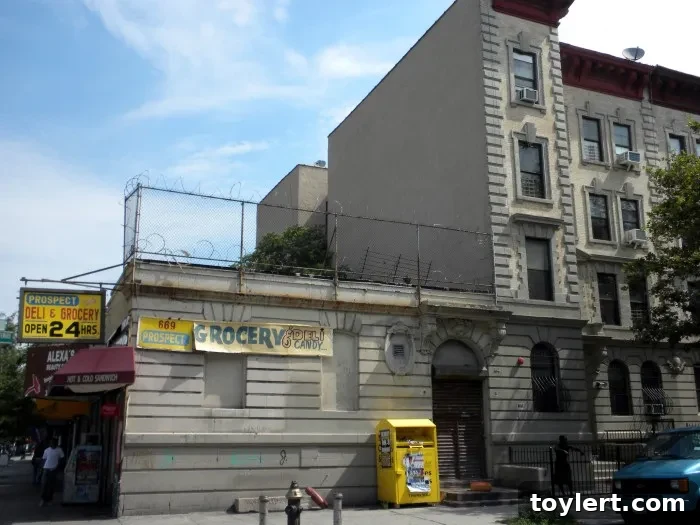
797-805 Prospect Place: A Glimpse into Brooklyn’s Enduring Architectural Legacy
Brooklyn, one building at a time.
In the vibrant tapestry of Brooklyn’s architectural landscape, certain structures stand out, not just for their aesthetic appeal but for the stories they tell about the borough’s growth, aspirations, and the evolution of urban living. Among these architectural treasures are the distinctive “flats” buildings that emerged during a transformative period in New York City’s history. Today, we turn our attention to a particularly notable example: the impressive complex at 797-805 Prospect Place. Nestled in the heart of a historically rich neighborhood, this building embodies the elegance, craftsmanship, and community spirit that defines so much of Brooklyn’s enduring charm.
The Rise of Brooklyn’s Historic Flats Buildings
The late 19th and early 20th centuries marked a pivotal era for Brooklyn. As the city industrialized and its population surged, the demand for efficient, yet comfortable, urban housing skyrocketed. This period saw the proliferation of “flats” – multi-unit apartment buildings designed to house a burgeoning middle class. Unlike the grand, single-family brownstones that characterized earlier developments, flats offered a more compact and often more affordable solution, without compromising on style or amenities.
These buildings were a direct response to the urbanization pressures of the time, allowing more families to reside in desirable neighborhoods while enjoying modern conveniences. Architects and developers embraced various styles, from the ornate flourishes of the Romanesque Revival and Queen Anne styles to the more restrained elegance of Neo-Renaissance and Beaux-Arts influences. Brooklyn’s flats buildings became architectural canvases, showcasing intricate brickwork, decorative terra cotta, elaborate cornices, and elegant bay windows that added depth and character to the streetscape.
The construction of such buildings fundamentally altered Brooklyn’s urban fabric. They fostered a new sense of community, bringing diverse families together within shared walls and common spaces. Each building, with its unique details and layout, contributed to the distinctive character of neighborhoods like Crown Heights, Flatbush, and Prospect Heights, transforming them into the vibrant residential enclaves we recognize today.
797-805 Prospect Place: An Architectural Gem
The building at 797-805 Prospect Place stands as a magnificent testament to this architectural era. Its grand facade immediately captures attention, reflecting the robust and often ornamental styles popular at the turn of the 20th century. While specific historical records might detail its original architect and exact construction date, its visual characteristics place it firmly within the late Gilded Age or early Progressive Era – a period when quality materials and artisan craftsmanship were paramount.
Key architectural features likely include:
- Materiality: A robust base of rusticated stone or brownstone, giving way to rich, multi-hued brickwork on the upper floors. This contrast in materials was common, adding visual interest and a sense of solidity.
- Decorative Elements: Expect to find ornate details such as carved stone lintels above windows, projecting cornices with dentil work or other embellishments, and perhaps decorative terra cotta panels depicting floral motifs or geometric patterns. These elements speak to the era’s appreciation for applied artistry.
- Window Treatments: Bay windows are often a defining feature of Brooklyn flats, maximizing natural light and offering residents expansive views of the street below. The windows themselves would likely be multi-paned, framed by heavy sashes, reflecting the construction methods of the time.
- Entryways: The main entrances, often recessed or framed by decorative surrounds, would have been grand, signaling the building’s prestige. Wide stoops, characteristic of Brooklyn, would have provided a semi-private transition space between the public street and private residences.
- Rhythm and Proportion: The building likely exhibits a carefully planned rhythm of windows and structural bays, creating a harmonious and balanced composition across its significant frontage on Prospect Place.
Such architectural complexity not only speaks to the building’s aesthetic value but also to the skilled labor and design principles of its time, making it a valuable subject for architectural enthusiasts and historians alike.
A Place in Prospect Place: The Crown Heights Context
797-805 Prospect Place is situated in a particularly desirable and historically rich section of Brooklyn, typically considered part of Crown Heights or bordering Prospect Heights. This neighborhood itself has a fascinating history, evolving from Dutch farmland to an affluent residential area in the late 19th century. Its wide, tree-lined streets, proximity to Prospect Park, and access to cultural institutions like the Brooklyn Museum and Brooklyn Botanic Garden made it a prime location for the development of high-quality flats and brownstones.
Living on Prospect Place meant being part of a vibrant community with easy access to Manhattan via newly expanded public transit. The street itself is renowned for its architectural diversity, featuring a mix of row houses, mansions, and these stately apartment buildings. The presence of buildings like 797-805 contributed significantly to the neighborhood’s identity, providing housing for professionals, artists, and families who sought the amenities of city life without the density of Manhattan.
Today, Crown Heights and Prospect Heights continue to be highly sought-after neighborhoods, celebrated for their community spirit, diverse population, and beautifully preserved architecture. Buildings such as 797-805 Prospect Place are not just residences; they are cornerstones of the area’s identity, connecting present-day residents to generations of Brooklynites who have called these historic streets home.
Preservation and Modern Living in Historic Brooklyn Flats
The preservation of historic flats like 797-805 Prospect Place is crucial for maintaining Brooklyn’s unique character and architectural heritage. These buildings represent a tangible link to a bygone era, offering insights into urban planning, social history, and design trends of the past. Efforts by local landmark commissions and community groups ensure that these structures are protected from inappropriate alterations, allowing their original beauty and integrity to endure.
For modern residents, living in a historic flat offers a unique blend of old-world charm and contemporary convenience. While these buildings were constructed with 19th-century sensibilities, many have undergone thoughtful renovations to incorporate modern amenities such as updated kitchens, bathrooms, and climate control, all while preserving original details like hardwood floors, high ceilings, intricate moldings, and period fireplaces.
The appeal is undeniable: spacious layouts often unseen in newer constructions, robust building materials that offer superior soundproofing and insulation, and the intangible allure of living within a piece of history. Residents of 797-805 Prospect Place likely enjoy a strong sense of community, sharing common hallways and contributing to the ongoing story of a building that has stood the test of time.
The Enduring Legacy
Buildings like 797-805 Prospect Place are more than just brick and mortar; they are living monuments to Brooklyn’s rich past and vibrant present. They embody a period of immense growth and architectural innovation, contributing significantly to the urban landscape and social fabric of one of New York City’s most beloved boroughs. As we admire their intricate details and robust construction, we are reminded of the importance of preserving these architectural gems for future generations.
The story of Brooklyn continues to be written, one building at a time, and structures like the flats at 797-805 Prospect Place remain integral chapters in that ongoing narrative, symbolizing the enduring beauty and resilience of Brooklyn’s architectural heritage.