Exploring Brooklyn’s Dynamic Landscape: A Comprehensive News Roundup
Brooklyn stands as a vibrant mosaic of history, culture, and relentless evolution. From its iconic brownstone-lined streets to its burgeoning waterfronts, the borough is a constant subject of discussion, development, and community engagement. Staying abreast of the latest happenings in Brooklyn is crucial for residents, prospective homeowners, real estate enthusiasts, and anyone invested in the urban fabric of New York City. This comprehensive roundup delves into the significant stories that have recently shaped conversations across Brooklyn, offering insights into real estate trends, community challenges, urban planning initiatives, and the ever-changing local scene.
The borough’s real estate market, in particular, remains a focal point. Whether it’s the hunt for a diamond in the rough in a coveted neighborhood or the restoration of historic architectural gems, property news consistently captures attention. Beyond property, the resilience of Brooklyn’s communities shines through amidst infrastructural challenges, while local businesses continue to define the unique character of each distinct area. Urban planning debates, from long-awaited transit expansions to large-scale development proposals, underscore the continuous effort to balance growth with preservation, accessibility with local charm.
This article aims to provide an expanded perspective on key news items, offering context and deeper exploration beyond simple headlines. We’ll navigate through discussions on public housing, the local economy, the culinary landscape, and the ambitious visions that could redefine parts of Brooklyn for generations to come. Join us as we unpack the most compelling stories, giving you a holistic understanding of the forces at play in this extraordinary borough.
In the Spotlight: Recent Brooklyn News Highlights
- The Enduring Allure of a Park Slope Fixer-Upper: Investment and Vision in a Prized Neighborhood
Park Slope remains one of Brooklyn’s most desirable neighborhoods, renowned for its picturesque brownstones, tree-lined streets, and vibrant community spirit. The prospect of finding a “fixer-upper” here ignites a unique blend of excitement and trepidation among potential homeowners. While the idea of transforming a dated property into a dream home is appealing, it comes with the challenges of navigating a competitive market, significant renovation costs, and the need for a keen eye for architectural preservation. Yet, the long-term value appreciation and the opportunity to imprint personal style onto a historic canvas make these projects highly sought after. Buyers are often drawn to the neighborhood’s excellent schools, Prospect Park proximity, and an abundance of local shops and restaurants, justifying the substantial investment required to revitalize an older home. This trend reflects a broader interest in personalization and value creation within Brooklyn’s high-demand real estate sectors, where the demand for unique, customized living spaces continues to grow.
- Critical Heat Outages at NYCHA: A Persistent Challenge for Public Housing Residents During Winter
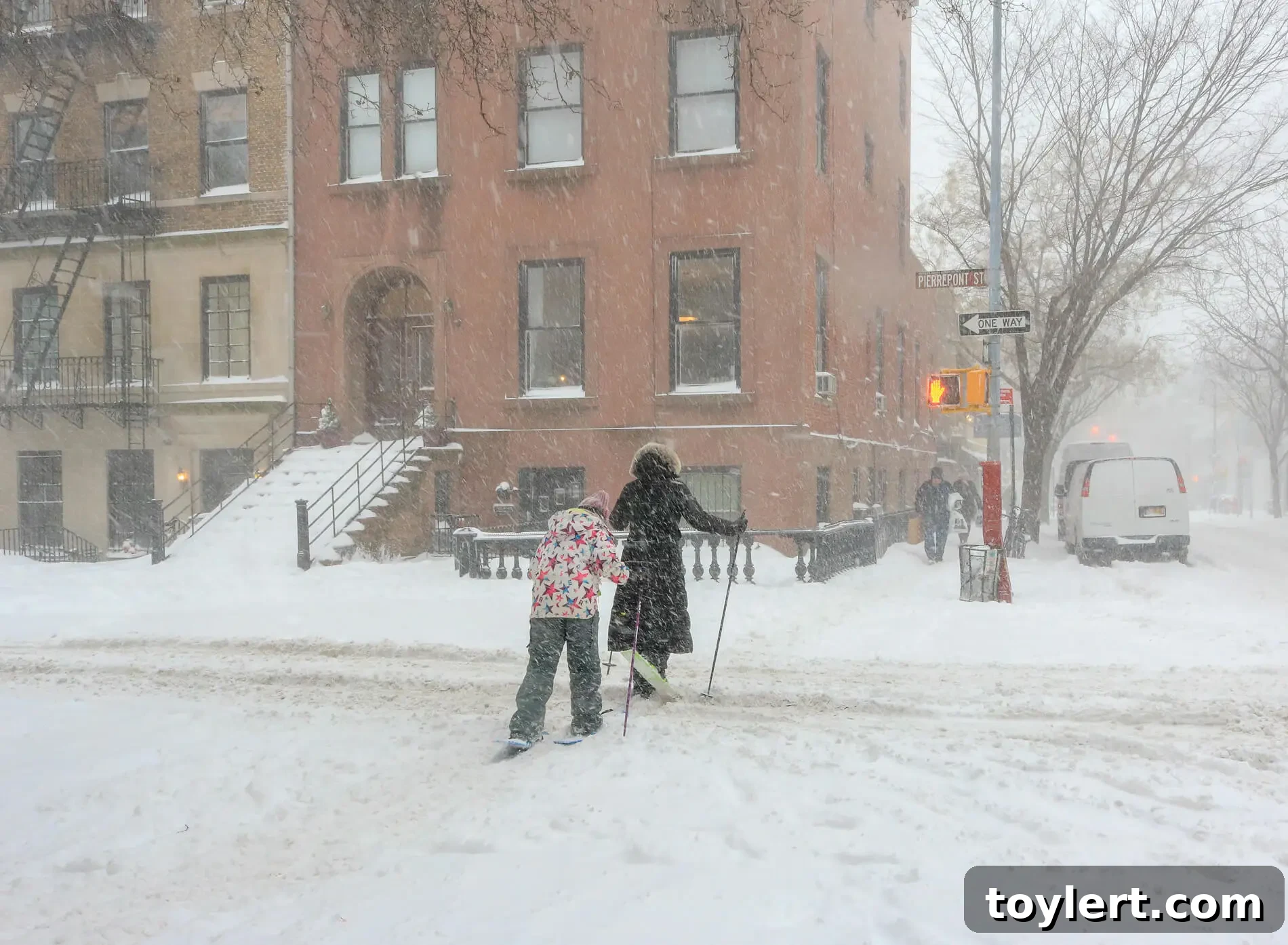
The severe cold weather often brings to light the critical state of public housing infrastructure in New York City. Reports of thousands of New York City Housing Authority (NYCHA) apartments without adequate heat during a snowstorm highlight a systemic issue that impacts the most vulnerable populations. Such outages are not merely inconveniences; they pose serious health risks, particularly for the elderly, children, and individuals with chronic conditions. The recurring nature of these problems points to deep-seated issues within NYCHA’s management and funding, raising questions about the city’s ability to maintain essential services for its public housing residents. Addressing these infrastructural failings requires substantial investment, improved maintenance protocols, and a concerted effort from city officials to ensure humane living conditions for all residents, especially when extreme weather strikes. This issue underscores the ongoing debate about housing equity and the responsibility of urban authorities to provide safe and habitable homes.
- The Future of Utica Avenue Subway Extension: Promises, Delays, and East Brooklyn’s Development Hopes
The proposed extension of the subway line along Utica Avenue in Brooklyn has been a long-standing aspiration for residents and a recurring topic in urban development discussions. Serving neighborhoods in East Brooklyn that are currently underserved by rapid transit, such an extension promises to unlock significant economic opportunities, improve connectivity, and alleviate commuting burdens for hundreds of thousands of people. However, grand visions often face formidable obstacles, including astronomical costs, complex engineering challenges, and shifting political priorities. The question of whether this vital project is “dead” reflects the frustration and uncertainty surrounding major infrastructure initiatives. Its realization would not only transform daily commutes but also spur new residential and commercial development, fundamentally altering the landscape and accessibility of communities like Crown Heights, Brownsville, and East Flatbush. The ongoing debate highlights the critical link between public transit investment and equitable urban growth, a cornerstone of sustainable city planning.
- Brooklyn Courts Exhibit Resilience: Upholding Justice Amidst Inclement Weather Conditions
In times of severe weather, many public services may scale back or close, but the steadfast operation of institutions like the Brooklyn courts underscores the essential nature of the justice system. The decision to keep courts open despite a snowstorm reflects a commitment to maintaining legal processes, ensuring public safety, and preventing undue delays in critical cases. This resilience is vital for the continuous functioning of society, from arraignments and urgent hearings to civil proceedings that cannot afford to be postponed. It also highlights the dedication of court staff, judges, and legal professionals who brave challenging conditions to uphold their duties. Such instances serve as a reminder of the foundational role these institutions play in urban life, demonstrating their capacity to adapt and persevere in the face of external challenges, thereby ensuring that justice remains accessible and unimpeded.
- Hungry Ghost Coffee Expands: Fueling Fort Greene’s Local Business Boom and Community Spirit
The opening of a second location for Hungry Ghost Coffee in Fort Greene is a testament to the thriving local business scene and the vibrant community spirit that defines this Brooklyn neighborhood. Independent coffee shops are often seen as vital hubs, serving not just as places for caffeine and quick bites, but also as informal meeting spots, workspaces, and cornerstones of local identity. Their expansion signifies a healthy local economy and a growing demand for quality, community-focused establishments. Fort Greene, with its blend of historic architecture, cultural institutions, and diverse residents, provides fertile ground for such businesses to flourish. This growth contributes to the neighborhood’s unique charm and livability, demonstrating how small businesses play a crucial role in enhancing urban environments and fostering a sense of belonging among residents. It underscores a positive trend of local enterprises successfully scaling up within Brooklyn’s competitive market.
- The Volatile Culinary Scene: Top Chef Alum’s Greenpoint Restaurant Closes its Doors
New York City’s culinary landscape is famously dynamic and fiercely competitive, a reality underscored by the closure of even highly anticipated establishments, such as a fried chicken restaurant in Greenpoint helmed by a “Top Chef” alum. While celebrity backing often provides an initial buzz, sustained success in NYC requires a complex recipe of critical acclaim, consistent customer flow, and astute financial management. Greenpoint, known for its innovative dining scene, is no stranger to establishments opening and closing as culinary trends shift and consumer tastes evolve. This particular closure serves as a poignant reminder of the immense pressures faced by restaurateurs, from high rents and labor costs to the relentless pursuit of novelty and perfection. It highlights the transient nature of the restaurant business and the constant need for adaptation, even for those with a strong industry pedigree, in one of the world’s most discerning food cities.
- Bar Matchless Defies Closure: A Community’s Fight to Preserve a Greenpoint Institution
In an era of rapid gentrification and soaring commercial rents, the struggle of beloved local institutions to remain open is a common narrative across Brooklyn. The resistance of Bar Matchless against closure in Greenpoint, at least “for now,” represents a victory, however temporary, for community preservation. Venues like Bar Matchless are more than just bars; they are cultural landmarks, live music venues, and social anchors that contribute significantly to the character and soul of a neighborhood. Their potential loss often sparks passionate campaigns from locals who recognize the irreplaceable value of such spaces in fostering community bonds and providing platforms for artists. This ongoing saga reflects the tension between development and the desire to maintain the authentic essence of Brooklyn neighborhoods. It’s a powerful reminder of how collective action can, at times, push back against the relentless forces of urban change, highlighting the importance of grassroots efforts in shaping the future of our communities.
- Harmonizing Eras: Modern Minimalism Meets Traditional Beauty in a Boerum Hill Renovation
Boerum Hill, with its charming brownstones and tree-lined streets, provides the perfect backdrop for architectural innovation that respects historical context. A renovation successfully blending “modern minimalism” with “traditional beauty” in this sought-after neighborhood exemplifies a sophisticated approach to urban living. This design philosophy seeks to honor the inherent character of Brooklyn’s classic residences while integrating contemporary aesthetics and functionality. It involves stripping away unnecessary clutter, focusing on clean lines and natural light, yet carefully preserving or reintroducing historical details like ornate moldings, original floorboards, or period fixtures. The result is a home that feels both timeless and refreshingly modern, offering comfort and style without sacrificing the soul of the original structure. Such projects are a testament to the enduring appeal of Brooklyn brownstones as canvases for thoughtful design, attracting those who appreciate the delicate balance between preserving heritage and embracing contemporary living standards in a highly desirable locale.
Brownstoner’s Deep Dives: Unpacking Key Brooklyn Narratives
Brownstoner consistently delivers insightful coverage on the stories that matter most to Brooklyn’s real estate and community landscape. Here are some of the top articles that have recently resonated with our readers, offering comprehensive analyses of pivotal developments and design trends:
- Redefining Red Hook: From Isolated Enclave to Potential Skyscraper District with Cuomo’s Subway Vision
Red Hook, a historically industrial waterfront neighborhood, has long maintained a distinct, almost insular character due to its limited public transportation access. This isolation has preserved its unique charm, but also constrained its development potential. The ambitious proposal to extend subway service to Red Hook, potentially championed by former Governor Cuomo and accompanied by a vision for significant development, including skyscrapers, signals a monumental shift. Such a project would fundamentally transform Red Hook, connecting it more seamlessly with the rest of Brooklyn and Manhattan. While proponents argue for the economic benefits, increased housing options, and improved accessibility, critics raise concerns about gentrification, the potential loss of the neighborhood’s low-rise, artistic identity, and the strain on existing infrastructure. The discussion around Red Hook’s future encapsulates the complex interplay between urban planning, economic growth, and community preservation in a rapidly changing city. It presents a fascinating case study of how a single infrastructure project can redefine an entire urban sub-region, impacting everything from housing prices to cultural identity.
- The Art of Transformation: Antique Architectural Salvage and Modern Furnishings Revitalize a Williamsburg Loft
Williamsburg’s industrial past and artistic present converge beautifully in the renovation trends seen in its loft conversions. A prime example is the transformation of a Williamsburg loft that masterfully blends antique architectural salvage with sleek, modern furnishings. This design approach is highly coveted for its ability to create spaces that are rich in character, history, and contemporary flair. Utilizing salvaged materials—such as reclaimed wood beams, antique doors, or vintage fixtures—injects a unique story and warmth into a space, contrasting elegantly with the clean lines and minimalist aesthetic of modern furniture. This particular project highlights how designers and homeowners are increasingly looking to create unique, personalized environments that reflect a narrative of both past and present. It speaks to the broader trend in Brooklyn of respecting a building’s heritage while adapting it for sophisticated, functional, and aesthetically pleasing urban living, particularly appealing to those who appreciate a curated, eclectic style in the vibrant heart of Williamsburg.
- Restoring Grandeur: A Brownstone Dweller Revives Glorious Details on a Distinguished Bed Stuy Block
Bed Stuy, celebrated for its magnificent brownstones and rich history, is a neighborhood where the art of preservation and meticulous renovation truly shines. The story of a brownstone dweller bringing back “glorious details” on a distinguished block encapsulates the passion and dedication involved in restoring these architectural treasures. This often involves an intricate process of historical research, skilled craftsmanship, and an eye for period-appropriate design. From painstakingly restoring original woodwork with French polish to carefully selecting intricate wallpapers that echo the home’s original era, these renovations are acts of love and respect for history. Modern conveniences, such as integrated refrigerator drawers, are often seamlessly incorporated, demonstrating how contemporary living can coexist with historic authenticity. Such projects not only enhance the beauty and value of individual homes but also contribute significantly to the preservation of Bed Stuy’s unique architectural heritage, maintaining the character and allure that draw so many to this iconic Brooklyn neighborhood. It showcases the dedication to maintaining the charm and elegance of Brooklyn’s beloved brownstones.
Brooklyn continues to be a borough of contrasts and dynamism, where every street corner tells a story of change, resilience, and community spirit. From the grandeur of brownstone renovations to the critical discussions around public infrastructure and local business vitality, the narratives shaping Brooklyn are as diverse and compelling as its population. Staying informed about these developments is not just about keeping up with the news; it’s about understanding the very fabric of urban life and contributing to the ongoing dialogue that defines one of the world’s most fascinating cities. We encourage you to explore these stories further and engage with the ongoing conversation that helps shape Brooklyn’s vibrant future.
Email [email protected] with further comments, questions or tips. Follow Brownstoner on Twitter and Instagram, and like us on Facebook.