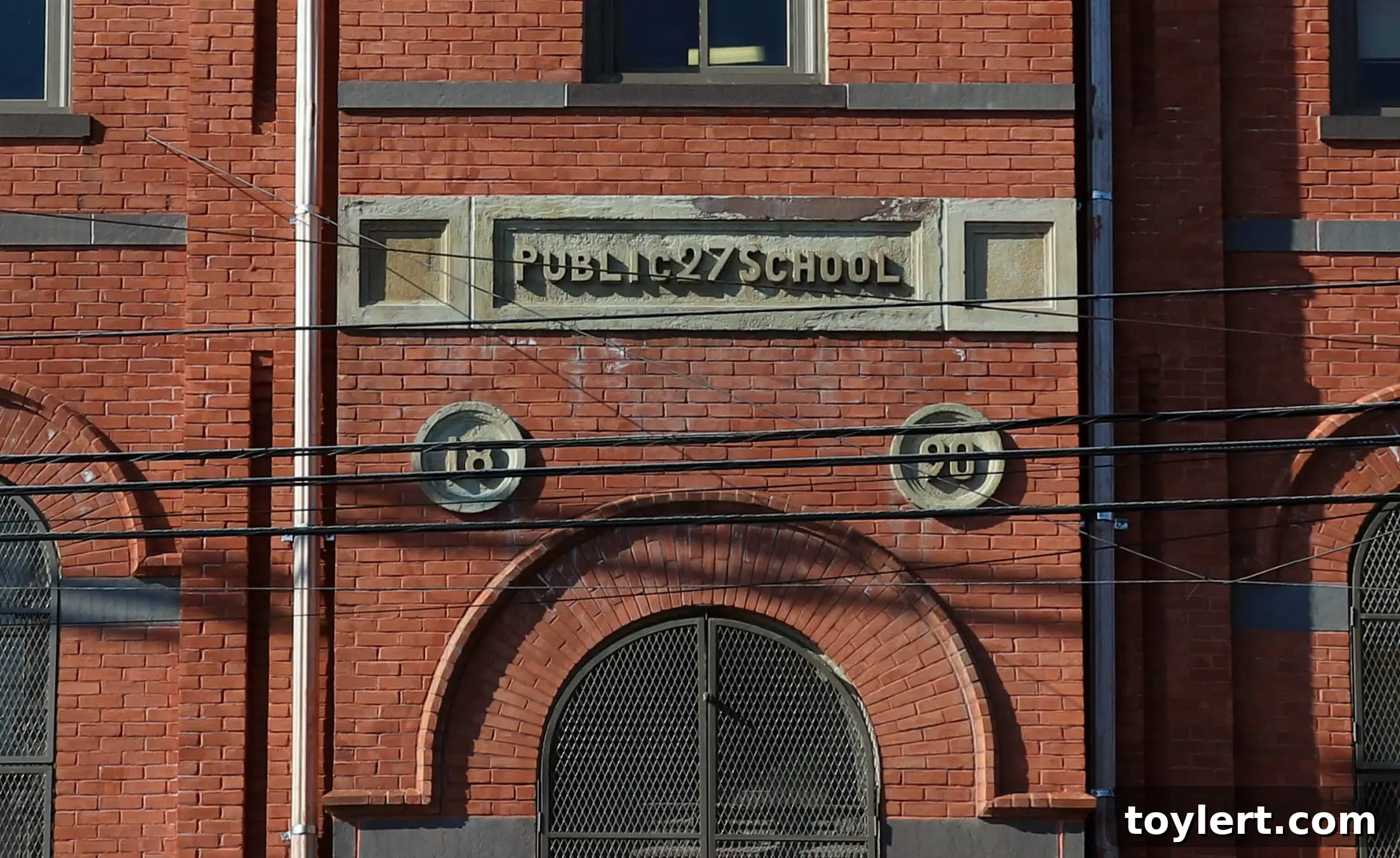
NYC Public Schools Face Significant Budget Cuts: An In-Depth Look at the FY23 Impact and Community Concerns
As the vibrant energy of summer descends upon New York City, usually signaling a well-deserved break for students, parents, and educators, a palpable undercurrent of apprehension looms over the impending academic year. The city’s public education system, a cornerstone of its diverse communities, is grappling with substantial financial adjustments that have sparked widespread concern. On June 10, the City Council and the city administration finalized the fiscal year 2023 budget, a deal that confirmed a significant reduction of $215 million from the public school system. This decision has unleashed a wave of reactions across the five boroughs, ranging from profound worry to deep disappointment and outright anger among those most directly impacted.
The announcement of these budget cuts wasn’t entirely sudden. Initial proposals surfaced as early as February, with reports indicating a leaner financial outlook for the Department of Education. Mayor Eric Adams’ administration further elaborated on the challenging fiscal landscape in April, presenting a plan that originally envisioned an even more drastic $1 billion reduction in school funding. The primary catalyst for this considerable shift, as highlighted by officials, was the inevitable winding down of federal coronavirus relief funds. These critical aid packages, designed to support schools through the unprecedented challenges of the pandemic, had begun to dwindle, leaving a considerable void in the city’s education budget.
The Alarming Numbers: What the Budget Cuts Entail for NYC Schools
The confirmed $215 million cut for the 2023 fiscal year represents a direct impact on the operational capacities of New York City’s public schools. While less than the initial $1 billion projection, it still constitutes a significant challenge for a system already stretched thin. This reduction is not merely an abstract number; it translates into tangible consequences for classrooms, staff, and essential programs across the city. Many schools, particularly those that relied heavily on temporary federal aid to maintain staffing levels and implement new initiatives during the pandemic, are now facing difficult choices.
For principals and school administrators, the immediate task involves meticulously re-evaluating their budgets for the upcoming year. This process is far from straightforward, as Meryem Bencheikh-Ellis, a dedicated member of Community Education Council 13 (serving areas like Fort Greene, Clinton Hill, and parts of Bedford Stuyvesant), vividly articulated: “It is not a good thing for our schools. Many of my school liaisons — many of the principals are already in the red, and while they are planning for the budget for next year. So, it’s terrible.” Her statement underscores the pre-existing financial strains many schools were already experiencing, making these new cuts even more acutely felt. Principals are tasked with the unenviable position of balancing shrinking budgets with the growing needs of their student populations, often forced to prioritize core academics over vital enrichment programs or support services.
Understanding the Rationale: Declining Enrollment and Federal Funding Shifts
The city administration has largely attributed these budget adjustments to two primary factors: the expiration of temporary federal COVID-19 relief funds and a significant decline in student enrollment across the public school system. During the height of the pandemic, federal aid, such as the Elementary and Secondary School Emergency Relief (ESSER) funds, provided an unprecedented influx of resources. These funds allowed schools to hire additional staff, invest in technology for remote learning, enhance health and safety measures, and offer various academic and social-emotional support programs. With these funds now expiring, the city is left to cover expenses previously underwritten by federal grants, without a commensurate increase in its own revenue dedicated to education.
Concurrently, New York City public schools have witnessed a noticeable drop in student enrollment over the past few years. Factors contributing to this trend are multifaceted, including families relocating out of the city during the pandemic, declining birth rates, and an increasing number of students opting for private or charter schools. While a decrease in student numbers might logically lead to adjustments in funding, the process of “right-sizing” budgets often lags behind the actual demographic shifts, creating temporary surpluses that mask underlying deficits once federal aid dissipates. Furthermore, advocates argue that a decline in enrollment should not automatically translate into a proportional cut in funding, especially if the remaining students still require robust resources, and if the goal is to attract families back to the public school system.
The Human Cost: Voices from the Community and the Impact on Learning
The most profound impact of these budget cuts will undoubtedly be felt at the ground level: in classrooms, school libraries, and after-school programs. Educators, parents, and students are bracing for potential changes that could reshape the daily educational experience. Teachers, already facing demanding workloads, express concerns about increased class sizes and the potential loss of colleagues, particularly those in specialized roles like art, music, physical education, and guidance counseling. A reduction in these areas can diminish the holistic educational experience, narrowing the curriculum and potentially stifling students’ creative and emotional development.
Parents are worried about the long-term implications for their children’s future. Cuts to vital programs, such as those for special education, English language learners, or gifted students, could exacerbate existing inequities and leave vulnerable student populations underserved. Many fear that fewer resources will lead to a decline in educational quality, making it harder for NYC public schools to compete with private institutions or even other districts. Community Education Councils (CECs), like the one Meryem Bencheikh-Ellis represents, are frontline advocates, hearing directly from families and school leaders about their struggles. They play a crucial role in amplifying these concerns to city officials, underscoring the vital link between adequate funding and a thriving school environment.
Beyond staffing and programs, the cuts could also affect school infrastructure and access to essential supplies. Less money might mean deferred maintenance, fewer updated technologies, or a shortage of basic classroom materials. These seemingly minor issues can accumulate, creating learning environments that are less stimulating and less conducive to effective teaching and learning.
Long-Term Repercussions: What’s at Stake for NYC Education
The immediate pain of budget cuts can quickly evolve into long-term challenges if not adequately addressed. A sustained period of underfunding can lead to a vicious cycle: diminished educational quality might further accelerate enrollment declines, making it even harder to advocate for increased funding in subsequent fiscal years. This scenario poses a significant threat to the very fabric of New York City’s public education system, which has historically served as an engine of opportunity and social mobility for millions.
Moreover, the cuts could disproportionately affect schools in lower-income communities, which often rely more heavily on public funding and have fewer external resources to compensate for shortfalls. This can widen the achievement gap and perpetuate educational inequities, undermining the city’s commitment to providing a fair and equitable education for all its children. The loss of experienced teachers, who might seek opportunities in better-funded districts or even leave the profession, could also deplete the intellectual capital of the city’s schools, making it harder to attract and retain top talent in the future.
Pathways Forward: Advocacy and Potential Solutions
In response to these challenges, a coalition of parents, educators, and community activists has mobilized, advocating for a re-evaluation of the budget priorities and exploring alternative solutions. Protests have taken place, petitions have been circulated, and advocacy groups are relentlessly pressing city officials to reconsider the depth of the cuts. Their arguments often center on the idea that investing in public education is not an expenditure but a long-term investment in the city’s economic vitality and social cohesion.
Potential solutions being discussed include:
- **Revisiting Funding Formulas:** Advocates suggest that the city’s funding formula for schools needs a comprehensive review to ensure it accurately reflects current student needs and provides adequate resources, even in the face of declining enrollment.
- **Exploring New Revenue Streams:** The city could explore new progressive revenue streams or reallocate existing funds from other departments to bolster the education budget.
- **Targeted Federal and State Aid:** Continued lobbying at federal and state levels for sustained, non-COVID-related education funding could provide crucial supplementary resources.
- **Community Partnerships:** Fostering stronger partnerships between schools and local businesses, non-profits, and philanthropic organizations could help bridge some of the funding gaps for specific programs or resources.
- **Efficient Resource Management:** While cuts are painful, there’s always an opportunity to critically examine how existing resources are allocated and identify areas for greater efficiency without compromising student learning.
A Call to Action for NYC Education
The situation facing New York City’s public schools is a complex tapestry of financial constraints, demographic shifts, and passionate advocacy. The $215 million budget cut for FY23 is more than a fiscal adjustment; it is a critical juncture that will test the resilience of the city’s educational system and the commitment of its leaders to its future generations. As the summer months pass and the new school year rapidly approaches, the conversation around these cuts will undoubtedly intensify. The collective voice of students, parents, teachers, and community members will be vital in shaping the narrative and influencing potential policy revisions. Ensuring a robust, equitable, and well-funded public education system remains paramount for New York City to continue thriving as a global hub of innovation and opportunity. The challenge is clear, and the call to action for protecting and enhancing the bedrock of our future—our public schools—has never been more urgent.