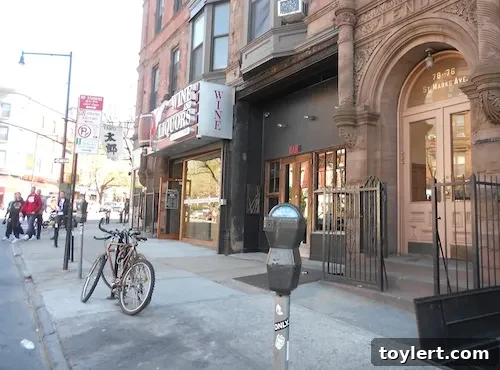
Revolutionizing Urban Commuting: Flatbush Avenue’s Innovative Bike Rack Transformation
Flatbush Avenue, a bustling artery in the heart of Brooklyn, has long been known for its vibrant community, diverse businesses, and lively streetscape. As New York City embraces a more sustainable and bike-friendly future, the demand for secure and accessible bicycle parking has surged. In response to this growing need, an innovative solution is transforming the urban landscape of North Flatbush Avenue, promising a brighter, greener future for cyclists and residents alike. This pioneering initiative involves the creative repurposing of obsolete parking meters into much-needed bike racks, a move championed by the North Flatbush Avenue Business Improvement District (BID) in collaboration with the Department of Transportation (DOT).
The Ingenious “Meter-to-Rack” Program: A Sustainable Urban Solution
At the core of this exciting development is a brilliant concept: instead of expensive and time-consuming new installations, old, defunct parking meters are being retrofitted to accommodate bicycle parking. This clever approach not only addresses an urgent need but also embodies principles of sustainability and efficiency. According to the North Flatbush Avenue BID, this program began with eight old parking meters being strategically converted by the DOT. The process is remarkably straightforward yet highly effective, turning what was once a relic of an older urban planning philosophy into a vital component of modern, eco-conscious infrastructure.
The ingenuity of the “Meter-to-Rack” program lies in its simplicity and environmental benefits. Rather than embarking on extensive excavation projects, which are often disruptive and costly, the city is repurposing existing street furniture. This prevents the unnecessary expenditure of resources and significantly reduces the environmental footprint typically associated with new construction. It’s a prime example of urban recycling, giving old infrastructure a new, essential purpose. The North Flatbush Avenue BID eloquently states, “The new bike racks will save the city the trouble of digging the poles out of the foundation, and gives bikers a much-needed place to lock up.” This statement encapsulates the double benefit: operational efficiency for the city and enhanced convenience for its cycling community.
Meeting the Demands of Brooklyn’s Growing Cycling Community
Brooklyn has witnessed an extraordinary surge in cycling over the past decade, transforming into a veritable hub for urban cyclists. From daily commuters to recreational riders, more people are opting for two wheels, driven by environmental concerns, health benefits, and the sheer joy of navigating the city differently. However, this growth has brought its own set of challenges, particularly the scarcity of secure bicycle parking. Cyclists often face the dilemma of finding a safe place to lock their bikes, leading to bikes being chained to lampposts, railings, or even trees, which can obstruct pedestrian flow and lead to security risks like theft.
The introduction of nearly 80 bike racks along North Flatbush Avenue, with plans for even more, directly addresses this critical issue. These new racks provide designated, secure spots where cyclists can confidently lock their bikes, reducing the stress associated with urban cycling. This infrastructure improvement is not merely about convenience; it’s about fostering a safer, more welcoming environment for cyclists. When riders feel assured that their bicycles are safe, they are more likely to choose cycling as their primary mode of transport, contributing to reduced traffic congestion and a healthier urban environment.
Key Benefits for Cyclists and the Community:
- Enhanced Security: Dedicated racks deter theft and vandalism, offering peace of mind to bike owners.
- Increased Accessibility: Conveniently located racks make it easier for people to cycle to local businesses, attractions, and public transport hubs.
- Reduced Clutter: Organized bike parking helps keep sidewalks clear, improving pedestrian safety and accessibility.
- Encourages Cycling: The presence of ample, secure parking removes a significant barrier to cycling, motivating more residents to embrace this sustainable transport option.
- Community Engagement: Projects like these demonstrate a commitment to community needs and encourage civic participation in urban planning.
The North Flatbush Avenue BID and the Vision for a Modern Streetscape
The North Flatbush Avenue BID plays a pivotal role in this transformative project. A Business Improvement District is a defined area within which businesses pay an additional tax or fee to fund improvements within the district’s boundaries. These improvements often focus on services such as street cleaning, public safety, marketing, and, crucially, urban development and infrastructure. The North Flatbush Avenue BID’s foresight in collaborating with the DOT to implement the “Meter-to-Rack” program highlights their dedication to enhancing the quality of life and economic vitality of their district.
This bike rack initiative is not an isolated effort but a strategic component of the BID’s larger Capital Streetscape project. This ambitious plan envisions a holistic transformation of the district’s public spaces, aiming to create a more attractive, functional, and pedestrian-friendly environment. The Capital Streetscape project encompasses a range of improvements, including:
- Upgraded street lighting for increased safety and aesthetics.
- New street furniture, such as benches and planters, to enhance public comfort and visual appeal.
- Improved pedestrian crossings and sidewalks to ensure smoother, safer movement for walkers.
- Greening initiatives, including tree planting and landscaping, to beautify the area and improve air quality.
- Public art installations that reflect the cultural richness of Flatbush.
Within this broader framework, the expansion of bicycle parking is critical. It signifies an integrated approach to urban planning where different modes of transport are considered and catered for, creating a truly multimodal and accessible streetscape. The seamless integration of bike racks into this larger project demonstrates a forward-thinking approach that acknowledges the evolving needs of urban residents.
Economic and Environmental Ripple Effects
The benefits of improved cycling infrastructure extend far beyond just the convenience of individual riders. This project has significant economic and environmental implications for North Flatbush Avenue and wider Brooklyn. Economically, a bike-friendly environment can stimulate local commerce. Cyclists often patronize local businesses more frequently than drivers, stopping easily for quick purchases or meals. The increased accessibility encouraged by ample bike parking can lead to a rise in foot traffic (or rather, bike traffic) for shops, cafes, and restaurants, contributing to the economic vibrancy of the district.
Environmentally, promoting cycling is a cornerstone of sustainable urban development. Every bicycle ride replaces a potential car trip, leading to a direct reduction in carbon emissions, air pollution, and noise pollution. By making cycling a more viable and attractive option, the “Meter-to-Rack” program contributes significantly to New York City’s climate action goals. It’s a tangible step towards creating a greener, healthier city where sustainable transportation is not just an ideal but a practical reality for everyday life.
Looking Ahead: A Model for Urban Innovation
The success of the “Meter-to-Rack” program on North Flatbush Avenue serves as an excellent model for other urban districts facing similar challenges. Its cost-effectiveness, environmental benefits, and positive impact on community quality of life make it an appealing solution. The ability to repurpose existing infrastructure not only saves taxpayer money but also fosters a sense of creative problem-solving in urban planning. As more cities grapple with growing populations and the imperative to reduce their carbon footprint, such innovative initiatives become increasingly important.
The commitment of the North Flatbush Avenue BID and the DOT to expand this program, with “more planned within the scope of the BID’s new Capital Streetscape project,” signals a long-term vision for a truly bike-friendly Flatbush. This continuous expansion will further solidify North Flatbush Avenue’s reputation as a progressive, community-focused neighborhood that prioritizes sustainable living and active transportation. It’s a testament to how thoughtful planning and collaborative efforts can lead to significant positive changes in our urban environments.
In conclusion, the transformation of old parking meters into new bike racks along North Flatbush Avenue is more than just a functional upgrade; it’s a symbolic embrace of a sustainable future. It’s a testament to the power of innovative urban planning, community collaboration, and a deep understanding of the evolving needs of a dynamic city. By providing secure, accessible, and environmentally conscious bike parking, Flatbush Avenue is not only making life easier for its cyclists but is also paving the way for a healthier, greener, and more connected urban experience for everyone.