352 Monroe Street: A Modern Architectural Study in Bed-Stuy’s Evolving Landscape
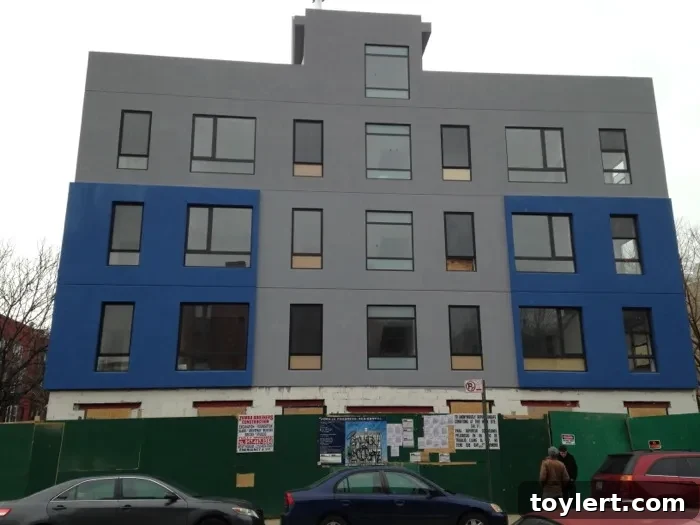
In the heart of Brooklyn’s historic and culturally rich Bedford-Stuyvesant neighborhood, new architectural developments frequently emerge, adding fresh layers to its already vibrant tapestry. One such compelling structure that has recently come to fruition is the building located at 352 Monroe Street. This modern residential project, a four-story, seven-unit edifice, stands as a testament to the ongoing urban transformation sweeping through Bed-Stuy. As its exterior nears completion, it offers a fascinating case study in contemporary design, the integration of new aesthetics into an established urban fabric, and the often-intriguing discrepancies between initial architectural renderings and the final constructed reality.
The journey from conceptual design to a tangible building is rarely a perfectly linear one. Developers, architects, and construction teams navigate a complex landscape of planning regulations, material availability, budget constraints, and evolving design refinements. These factors frequently lead to subtle, or sometimes significant, modifications from the initial vision presented in polished architectural renderings. At 352 Monroe Street, observers have keenly noted how the finished facade, while undeniably distinctive and modern, has taken on a character somewhat different from what was first envisioned. This evolution, however, has culminated in a striking presence that invites both admiration and discussion among residents and architectural enthusiasts alike.
The Defining Feature: Vibrant Blue Cubes and Modern Aesthetics
Perhaps the most arresting and defining characteristic of 352 Monroe Street is the bold application of what appear to be “bright blue cubes” integrated into its side facade. These distinctive geometric elements inject a powerful burst of color and a decidedly contemporary flair into the building’s overall composition. In a neighborhood predominantly characterized by its stately brownstones and classical brickwork, such a modern and artistic statement immediately sets this structure apart. The vibrant blue hue, almost electric in its intensity, creates a dynamic visual contrast against the more subdued tones typical of urban environments, making the building a focal point on Monroe Street.
These blue cubes are more than just decorative accents; they are a declaration of modern intent. They suggest a design philosophy that embraces innovation and dares to deviate from traditional norms, aiming to create a residential space that is both functional and aesthetically progressive. The material choice for these cubes, likely a durable and weather-resistant paneling system, not only contributes to the building’s longevity but also enhances its sleek, contemporary appeal. This thoughtful integration of color and form elevates the building beyond mere utility, transforming it into a piece of urban art that contributes to the evolving visual narrative of Bed-Stuy, sparking dialogue about how contemporary design can respectfully, yet boldly, interact with historical contexts.
Bridging the Gap: Renderings Versus the Built Environment
A recurring theme in the discourse surrounding new urban developments is the comparison between the idealized presentation of a project through architectural renderings and its eventual physical manifestation. 352 Monroe Street provides a tangible illustration of this dynamic. While the bold blue cubes have garnered significant attention, certain other elements of the facade have also undergone notable changes. Most prominently, a key observation concerns the fenestration – the arrangement and design of windows. It has been pointed out that the windows themselves appear to have been altered from their original conceptualization, and crucially, the window situated at the very top of the building is no longer perfectly centered.
This subtle, yet impactful, shift in window placement, particularly for a prominent feature at the building’s apex, can significantly affect the intended visual balance and symmetry of the entire facade. Architectural renderings serve as powerful tools for visualization, marketing, and securing approvals, meticulously crafting an image of perfection. However, the construction process is inherently complex, often necessitating adjustments due to a myriad of factors: unforeseen site conditions, changes in structural requirements, material availability issues, budget reallocations, or even minor interpretations by different contractors. The uncentered top window at 352 Monroe Street, whether an intentional design tweak, a structural compromise, or an unforeseen consequence, highlights the intricate dance between aspirational design and the practical realities of construction. Such details underscore that even the most well-planned projects can evolve in unexpected ways as they transition from paper to concrete.
Understanding these potential divergences is vital for anyone engaging with urban development, from prospective residents and investors to urban planners and local community members. It serves as a reminder of the iterative nature of building projects, where adaptability and problem-solving are paramount. While some changes might be perceived as deviations, others can unexpectedly contribute to the unique character and story of a building. The design evolution witnessed at 352 Monroe Street enriches our appreciation for the multifaceted challenges and creative solutions involved in bringing architectural visions to life within the bustling urban fabric of Brooklyn.
352 Monroe Street Within Bed-Stuy’s Dynamic Urban Context
Bedford-Stuyvesant has long been celebrated as a cornerstone of Brooklyn’s cultural heritage, renowned for its distinctive brownstone architecture, historic streetscapes, and vibrant community life. In recent decades, Bed-Stuy has experienced a powerful resurgence, marked by a significant wave of revitalization, gentrification, and an ensuing demand for modern housing solutions. This has led to a proliferation of new construction and renovation projects, each contributing to the neighborhood’s evolving identity. The building at 352 Monroe Street is a prime example of this ongoing transformation, reflecting contemporary living standards and the dynamic shifts in Bed-Stuy’s demographic and architectural landscape.
The introduction of a distinctly modern, multi-unit building like 352 Monroe Street into a neighborhood steeped in historical architecture inevitably sparks discussions about architectural harmony and urban integration. The question arises: should new developments seamlessly blend with existing structures, or can they offer a refreshing contrast? In the case of 352 Monroe Street, the design seems to strike a balance, leaning towards a harmonious contrast. While its eye-catching blue cubes represent a bold departure from traditional styles, the building’s overall scale, height, and proportion generally align with the existing streetscape, fitting comfortably among the four-story residential structures that characterize much of Monroe Street. This thoughtful approach allows for architectural innovation without disrespecting the historical context, a challenging yet crucial balance for developers and architects operating in historically significant urban areas.
Monroe Street itself is a microcosm of Bed-Stuy’s ongoing evolution, featuring a diverse mix of well-preserved historic homes and thoughtfully integrated newer developments. The presence of 352 Monroe Street further enriches the street’s character, appealing to new residents who seek modern amenities within the charm of a classic Brooklyn neighborhood. This energetic interplay between heritage and progress is a defining characteristic of Bed-Stuy’s growth, showcasing a community that deeply values its past while confidently stepping into its future. Each new structure, including 352 Monroe Street, adds a unique thread to the rich tapestry of Brooklyn’s architectural narrative, reflecting changing tastes, advancements in building technology, and evolving urban lifestyles.
The Profound Impact of Architectural Details on Daily Life
Beyond the grand scale and overarching form of a building, it is often the intricate architectural details that truly define its character and influence the daily experiences of those who inhabit it and those who pass by. The careful selection of materials, the precise placement of windows, and the integration of distinctive design elements, such as the vibrant blue cubes at 352 Monroe Street, all play a pivotal role. Windows, in particular, are far more than mere openings for light and air; they are the communicative “eyes” of a structure, dictating views, safeguarding privacy, and contributing significantly to the facade’s aesthetic rhythm and overall visual appeal. The observed alterations in window design, especially the uncentered top window at 352 Monroe Street, can subtly yet profoundly impact this rhythm, influencing both external perception and internal lived experience.
From an interior perspective, an uncentered window might subtly alter the distribution of natural light within a space, or frame the exterior view in an unexpected way. Externally, this detail could be interpreted by an observer as an intentional, avant-garde design choice, or perhaps as an unintended consequence of construction, inevitably sparking discussion among architectural aficionados and casual observers alike. Such nuances underscore the paramount importance of precision in both architectural design and construction execution, where every single element contributes to the holistic aesthetic and functional integrity of the entire structure. Conversely, the “bright blue cubes” stand as an unequivocal aesthetic declaration. They elevate the building from a purely utilitarian dwelling to a striking piece of urban art, likely fostering a sense of pride among its residents and serving as an engaging visual landmark within the community.
In conclusion, 352 Monroe Street transcends its function as merely a residential building; it stands as a significant point of interest, a catalyst for discussion, and a tangible symbol of Bed-Stuy’s dynamic architectural evolution. It challenges us to look beyond initial impressions and delve into the intricate complexities of urban design, the inherent realities of construction, and the compelling interplay between historical preservation and contemporary innovation. Its unique characteristics, whether meticulously planned or born from the exigencies of the building process, collectively contribute to the ever-changing face of one of Brooklyn’s most cherished and rapidly developing neighborhoods, solidifying its place as a noteworthy addition to the vibrant streetscape of Monroe Street.
For those interested in the initial reports and broader context surrounding this development, the original coverage from Brownstoner provides valuable historical insights:
Four-Story, Seven-Unit Building Appears on Monroe Street in Bed Stuy [Brownstoner]
To virtually explore the exact location and its surrounding environment, you can utilize Google Maps:
View 352 Monroe Street, Brooklyn, NY on Google Maps [GMAP]