By Aidan Graham
The Unprecedented Decline: National Chain Store Closures Reshape New York City’s Retail Landscape
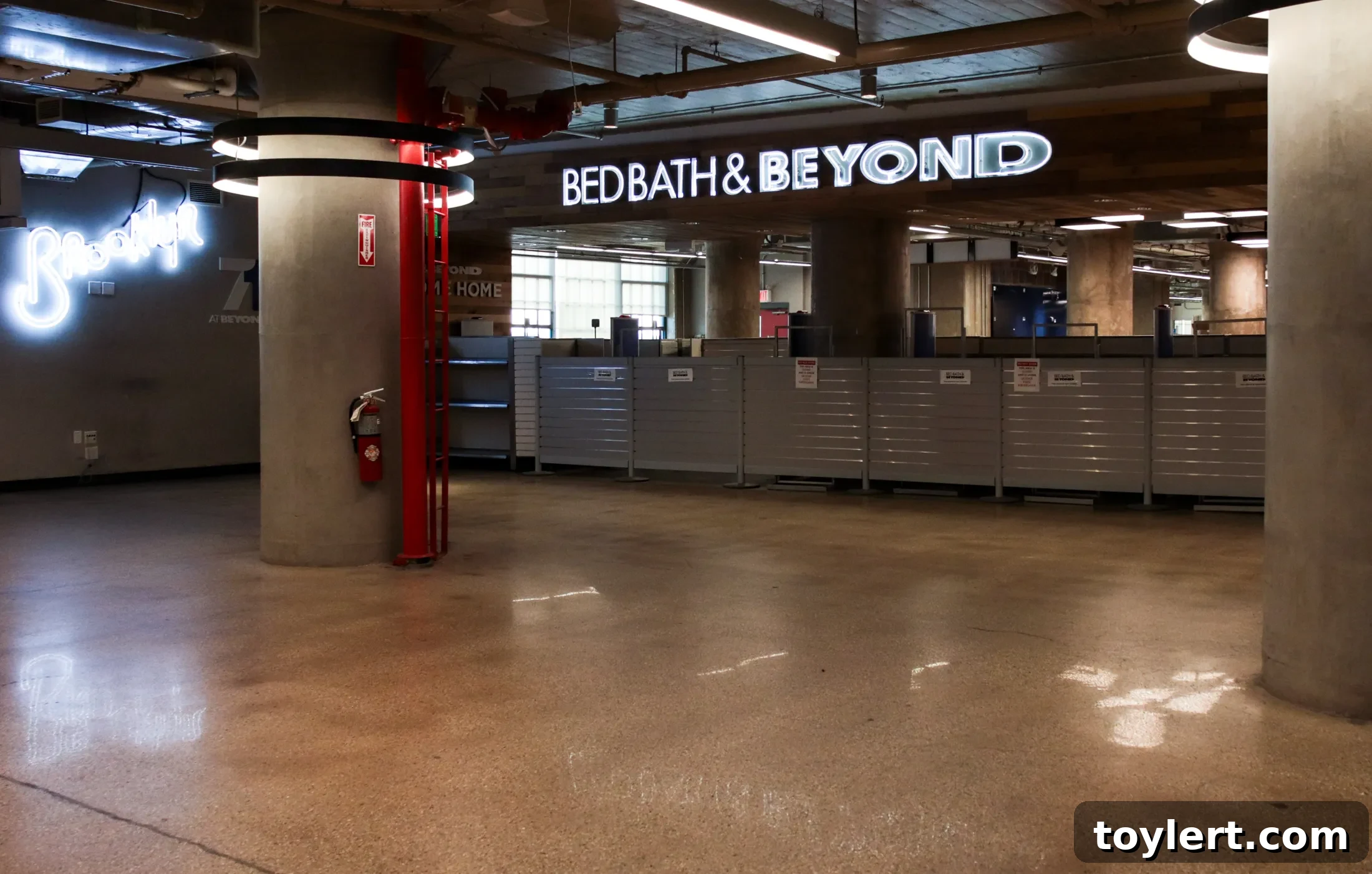
New York City, a global beacon of commerce and culture, is currently witnessing a profound transformation in its retail sector. A recent comprehensive study has revealed a startling trend: national chain stores are shuttering their doors at an historic and unprecedented pace across the five boroughs. This isn’t merely a fluctuation in the market; it signifies a fundamental shift in the economic fabric of one of the world’s most dynamic urban environments.
Researchers with the esteemed nonprofit Center for an Urban Future (CUF) meticulously compiled their latest report, offering an in-depth look at the state of chain stores throughout New York City. The findings paint a stark picture, exposing a challenging economic reality for national retailers that once dominated and defined bustling shopping strips from Manhattan’s iconic avenues to the vibrant commercial hubs of Brooklyn, Queens, the Bronx, and Staten Island. This widespread contraction is reshaping neighborhoods, affecting employment, and raising critical questions about the future of urban retail.
A Deep Dive into the Center for an Urban Future’s Findings
The Center for an Urban Future’s report is more than just a snapshot; it’s a meticulously compiled analysis tracking the presence and absence of national retail chains across New York City. Their data indicates that 2023 marked an all-time high in the number of net chain store closures, surpassing previous peaks even amidst challenging economic periods. This “historic pace” translates into hundreds of fewer chain retail locations citywide, leaving behind a trail of vacant storefronts and significantly altering the consumer landscape.
The study delves into the specific types of chains most affected, noting significant retrenchment from sectors like apparel, electronics, and even some quick-service restaurants. While some categories, such as discount stores or pharmacies, have shown relative stability or even modest growth in specific areas, the overarching trend points to a significant retreat of large national brands. The report also meticulously breaks down these figures by borough, highlighting how certain areas, particularly those heavily reliant on foot traffic and tourism, have experienced a disproportionately high number of closures, underscoring the localized impacts of a city-wide phenomenon.
The Multifaceted Causes Behind the Retail Retreat
Understanding the reasons behind this significant retail contraction requires examining a confluence of factors, each contributing to the challenging environment faced by national chains in New York City.
The Shadow of E-commerce and Shifting Consumer Habits
Perhaps the most undeniable force reshaping retail is the relentless rise of e-commerce. Online shopping offers unparalleled convenience, vast product selection, and often competitive pricing, directly siphoning sales away from traditional brick-and-mortar stores. New Yorkers, known for their fast-paced lifestyles, have increasingly embraced digital platforms for everything from groceries to high-end fashion. This shift isn’t just about convenience; it also reflects changing consumer values, with many prioritizing ease of access and personalized online experiences over the traditional in-store browse. Chain stores, with their often standardized offerings and large physical footprints, have struggled to adapt quickly enough to this fundamental change in how people shop and interact with brands.
The Unyielding Costs of Doing Business in NYC
New York City has always been an expensive place to operate a business, and national chains are not immune to these pressures. Sky-high commercial rents, which continued to escalate in many areas even during downturns, represent a significant overhead. Beyond rent, businesses face substantial property taxes, increasing utility costs, and a competitive labor market that demands higher wages and benefits. The cumulative effect of these operating expenses often makes it challenging for chains to maintain profitability, especially when sales are simultaneously being eroded by online competition. For many national retailers, the economic equation simply no longer balances, making closure an unavoidable business decision.
Post-Pandemic Realities and Supply Chain Disruptions
While the roots of retail decline predate the pandemic, COVID-19 acted as a powerful accelerant. Lockdowns, reduced tourism, and a dramatic shift to remote work decimated foot traffic in historically busy commercial districts. Even after restrictions eased, many chains struggled to regain their pre-pandemic sales volumes. Moreover, ongoing global supply chain disruptions have led to increased costs for goods, inventory shortages, and delays, further squeezing profit margins and impacting customer satisfaction. The rapid changes brought about by the pandemic forced many retailers to re-evaluate their physical store portfolios, often leading to the difficult decision of consolidating or closing underperforming locations.
Impact Across the Five Boroughs: A Shifting Urban Fabric
The impact of these closures is not uniformly distributed across New York City but rather creates a patchwork of effects that vary significantly by borough and even by neighborhood. Manhattan, particularly its high-profile retail corridors like Fifth Avenue, Herald Square, and parts of SoHo, has seen numerous flagship and prominent chain stores vacate prime real estate. These vacancies are highly visible and often signal a broader decline in tourist and office worker foot traffic.
However, the outer boroughs are also feeling the pinch. Neighborhood commercial strips in Brooklyn, Queens, and the Bronx, which once relied on national chains for convenient access to goods and services, are now confronting rising vacancy rates. While independent businesses often fill some of these voids, the loss of a major chain can significantly alter the character and utility of a shopping district. Staten Island, with its distinct commercial landscape, faces similar challenges as residents increasingly turn to online shopping or larger regional centers for their retail needs. This borough-specific analysis highlights the widespread nature of the problem, indicating that no part of the city is entirely immune to these retail seismic shifts.
More Than Just Vacant Storefronts: The Broader Economic and Social Ripple Effects
The disappearance of national chain stores extends far beyond mere aesthetic concerns over empty windows. These closures trigger a cascade of economic and social consequences that profoundly affect the city.
Economically, job losses are an immediate and pressing concern. Each store closure translates into direct unemployment for sales associates, managers, and support staff, impacting countless families. Furthermore, vacant storefronts lead to a reduction in commercial property tax revenue for the city, potentially affecting public services. The decrease in foot traffic associated with a shrinking retail presence can also harm neighboring businesses, including local eateries and service providers, creating a vicious cycle of decline. Socially, the loss of these stores can diminish the vibrancy and convenience of neighborhoods. Chains often provide essential goods and services, and their absence can create retail deserts, forcing residents to travel further or rely more heavily on online options. This can erode the sense of community that strong commercial corridors foster, changing the very character of urban living.
The Resilience of Independents: A Counter-Narrative?
Amidst the widespread closures of national chains, a counter-narrative of resilience and growth for independent, local businesses often emerges. Many argue that the retreat of large corporations provides an opportunity for small, unique boutiques, artisan shops, and community-focused enterprises to thrive. These independent businesses can often offer more personalized service, curate unique product selections, and better reflect the distinct character of the neighborhoods they serve.
Indeed, some parts of NYC have seen an emergence of new local ventures filling the void left by departing chains, benefiting from lower rents (in some instances) and a growing consumer desire to support local economies. However, it’s crucial to note that independent businesses face many of the same challenges as chains, including high operating costs and competition from e-commerce giants. While they may be more agile and adaptable, the sheer scale of chain store closures means that local businesses alone cannot entirely absorb the economic impact or fill every empty commercial space, pointing to a need for broader strategies.
Navigating the Future: Adaptations and Policy Considerations
The ongoing transformation of New York City’s retail landscape necessitates a proactive approach from both the private sector and city policymakers. For retailers, adaptation is key. This includes embracing omnichannel strategies that seamlessly integrate online and in-store experiences, focusing on experiential retail that offers more than just products, and experimenting with smaller, more flexible store formats. Brands that can create unique reasons for customers to visit physical locations, perhaps through personalized services, community events, or immersive brand experiences, are more likely to survive and thrive.
From a policy perspective, the city government can play a crucial role in mitigating the negative impacts and fostering a healthier retail environment. This could involve re-evaluating commercial zoning regulations, exploring tax incentives for new businesses to occupy vacant spaces, and providing targeted support programs for small and independent retailers. Initiatives to streamline permitting processes, offer technical assistance, and even explore rent stabilization measures for small businesses could help level the playing field. Ultimately, fostering an environment where a diverse array of businesses—both innovative chains and vibrant independents—can coexist and contribute to the city’s economic vitality is paramount.
Conclusion: Reinventing New York City’s Retail Identity
The historic pace of national chain store closures in New York City is a clear indicator of a profound and ongoing transformation in the retail industry. While the immediate consequences present significant challenges—from job losses and vacant storefronts to altered neighborhood dynamics—this shift also represents an opportunity. It is a chance for New York City to reinvent its retail identity, moving beyond a reliance on ubiquitous national brands towards a more diverse, resilient, and community-centric commercial ecosystem.
The Center for an Urban Future’s report serves as a critical call to action, urging stakeholders to acknowledge these startling economic realities and work collaboratively. By understanding the underlying forces at play—e-commerce, high operating costs, and evolving consumer preferences—and by implementing adaptive strategies and supportive urban policies, New York City can navigate this transition. The goal must be to cultivate a future where its commercial streets remain vibrant, dynamic, and reflective of the unique spirit and diverse needs of its residents, ensuring that the city’s status as a global retail hub continues, albeit in a newly envisioned form.