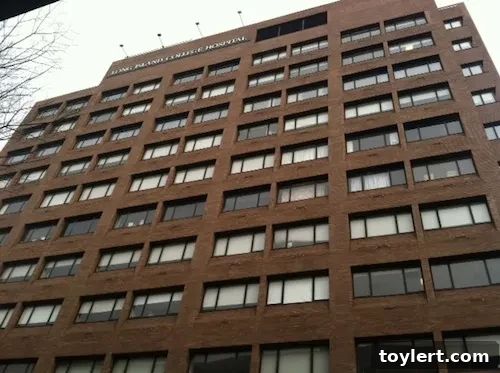
The Ongoing Battle to Save Long Island College Hospital (LICH): A Community’s Unwavering Fight for Healthcare Access in Brooklyn
The enduring struggle to preserve Long Island College Hospital (LICH), a cherished and critical healthcare institution nestled in the historic Cobble Hill neighborhood of Brooklyn, has once again reached a pivotal moment. Demonstrating the relentless determination of its advocates, a New York judge has, for an unprecedented third time, issued a temporary injunction to halt the hospital’s impending closure. This significant legal intervention provides LICH with another crucial reprieve, rekindling hope among the thousands of Brooklyn residents, dedicated medical staff, and impassioned community leaders who have fiercely championed its continued operation. This latest judicial victory, as reported by The New York Daily News, profoundly underscores LICH’s indispensable role within Brooklyn’s healthcare ecosystem and highlights the persistent tension between vital community needs and the complex financial realities of urban medical facilities.
A Third Reprieve: The Judiciary Steps In
The most recent court order, delivered on a Monday, arrived in the form of a temporary restraining order (TRO), effectively pausing the planned shutdown of the venerable institution. Concurrently, the court has scheduled a critical new hearing date for May 2, allowing additional time for comprehensive negotiations, legal arguments, and intensified community organizing efforts. Prior to this ruling, the executives overseeing LICH, primarily affiliated with SUNY Downstate Medical Center, had set an aggressive and imminent closure deadline of June 17. The repeated intervention by the judiciary in this matter speaks volumes about the contentious nature of the situation and indicates a judicial recognition that the community’s powerful arguments for preserving LICH are not to be easily dismissed. Each temporary injunction serves as a potent reminder of the profound public interest in maintaining the operational status of this essential hospital.
This series of temporary restraining orders underscores the judiciary’s acknowledgment of the potential, irreversible harm that a sudden closure could inflict upon the densely populated communities that rely on LICH. These injunctions are far more than mere procedural delays; they are explicit recognitions of the serious and legitimate concerns raised by advocates regarding patient safety, access to critical emergency care, and the overall stability of Brooklyn’s healthcare infrastructure. The upcoming May 2 hearing is widely anticipated to be a pivotal juncture, where all involved parties will present their respective cases, and the very future of LICH will once again be scrutinized under intense legal and public pressure.
The Heart of Cobble Hill: Why LICH Remains Indispensable
For over 150 years, Long Island College Hospital has stood as a steadfast pillar of medical care and a symbol of healing in Brooklyn. Established in 1858, it evolved into a comprehensive full-service teaching hospital, deeply interwoven into the daily lives of residents across Cobble Hill, Carroll Gardens, Red Hook, Brooklyn Heights, and numerous surrounding neighborhoods. Beyond its physical structure, LICH represents a fundamental cornerstone of public health, offering an extensive range of critical services, including a life-saving emergency room, essential maternity care, specialized surgical procedures, and a variety of outpatient clinics. Its closure would undeniably create an immense void, not only in terms of available hospital beds but also in the comprehensive and accessible healthcare network upon which countless Brooklyn residents depend.
The hospital’s strategic geographical location further solidifies its indispensable status, particularly concerning emergency services. In a borough as vast, diverse, and densely populated as Brooklyn, the sudden loss of an emergency room translates directly into longer ambulance routes, significantly increased wait times at already overburdened medical facilities, and potentially catastrophic consequences for critically ill or injured patients when every second counts. The community views LICH not merely as a business entity or a disposable asset, but as a sacred public trust, a vital resource absolutely essential for the well-being, safety, and continued health of its inhabitants. This profound and deeply personal connection fuels the passionate advocacy that is vividly displayed in both the courtrooms and the streets of Brooklyn.
A Community Rises: Unwavering Advocacy and Grassroots Public Outreach
Amidst these intricate legal battles, the dedicated “advocates for the hospital” have maintained an incredibly active and prominent presence. Their dynamic campaign to save LICH has intensified with remarkable vigor, showcasing an exemplary level of grassroots organization, strategic planning, and broad public engagement. From intimate local fundraisers to emotionally charged media campaigns, the community is meticulously exploring every possible avenue in its unwavering fight. Supporters, rallying enthusiastically under the banner of groups such as the LICH Medical Staff, various community coalitions, and concerned citizens, are employing a multi-faceted approach designed to maximize public awareness and exert significant pressure on key decision-makers.
Fundraisers and Local Awareness Campaigns
A notable illustration of their proactive and community-centric efforts was a highly successful fundraiser recently hosted at Montero’s, a beloved and iconic local establishment. Such events transcend mere opportunities to collect financial donations; they serve as powerful, tangible demonstrations of profound community solidarity, effectively bringing people together to reinforce their collective and shared commitment to LICH. These gatherings also function as vital platforms for discussing strategic approaches, disseminating crucial information, and continually invigorating the broad base of support. They powerfully underscore the deeply personal stakes involved for many residents, whose families have often relied on LICH for generations, entrusting their health and lives to its care.
The Provocative TV Ad: A Stark and Urgent Warning
Perhaps the most impactful and emotionally resonant component of their advocacy campaign has been the strategic release of a dramatic and highly stylized television advertisement. This potent visual message depicts a harrowing and deeply unsettling scenario: a patient tragically succumbing because the nearest available emergency room is too distant to provide timely and life-saving medical intervention. The ad is meticulously designed to be provocative, aiming to powerfully shock viewers into a visceral recognition of the tangible, life-and-death consequences inherent in LICH’s potential closure. By illustrating such a stark and dire outcome, advocates desperately hope to humanize an often-abstract issue and underscore the critical and undeniable importance of maintaining accessible local emergency services. This exceptionally powerful ad seeks to resonate not only with everyday Brooklynites but also, crucially, with state officials who ultimately possess the authority over LICH’s future, emphasizing the profound public health implications of their decisions.
The strategic intent behind the impactful TV ad is crystal clear: to transform what might appear to be an abstract financial argument into a very real, visceral, and immediate public health crisis. It appeals directly to the most fundamental fears and deeply held concerns of ordinary citizens regarding their own safety and the safety of their beloved family members. The ad articulates a compelling argument that healthcare is not merely a commodity to be bought and sold, but a fundamental human right, and that accessible emergency care is an absolutely non-negotiable component of modern urban living. This potent emotional appeal serves as a crucial tactic in a complex battle that is often dominated by intricate financial spreadsheets and impenetrable bureaucratic jargon, aiming to cut through the noise and speak directly to the public’s heart.
The March for LICH: A United Community Front
Looking ahead with unwavering determination, advocates are meticulously planning a significant march for this coming Sunday, April 7. This highly anticipated public demonstration is expected to draw a substantial crowd, vividly symbolizing the collective will and unified resolve of the entire community. The march is slated to commence in Red Hook, a neighborhood that would be particularly severely impacted by LICH’s closure due to its relative geographical isolation and increased distance from other major hospital facilities. The demonstration will culminate dramatically at the hospital itself, transforming the area into a powerful focal point of widespread protest and profound solidarity. Such impactful public demonstrations are absolutely vital for maintaining the issue’s prominence in the public eye and for sending an unequivocal, resounding message to state authorities about the profound depth of local opposition to the proposed closure.
The formidable organizing power behind this highly significant event emanates from two exceptionally influential labor unions: the New York State Nurses Association (NYSNA) and Local 1199 SEIU. These powerful unions collectively represent thousands of dedicated healthcare professionals, including skilled nurses, compassionate doctors, and essential support staff who are employed at LICH. Their direct involvement adds considerable weight, credibility, and organizational capacity to the advocacy efforts, as they contribute not only organized manpower but also invaluable professional expertise and a deep, nuanced understanding of the intricate healthcare system. For these unions and their members, the fight to save LICH is intrinsically linked to a broader struggle to protect jobs, ensure fair and equitable working conditions for their members, and simultaneously safeguard the unparalleled quality and accessibility of patient care for all.
The active and vocal participation of NYSNA and Local 1199 SEIU vividly underscores the multi-faceted and complex nature of the LICH crisis. It is evidently not just a localized community issue, but also a significant labor issue, highlighting the intricate interconnectedness of comprehensive healthcare provision, stable employment opportunities, and vibrant local economies. Their organized and visible presence at the march will powerfully amplify the individual voices of countless residents, forging a formidable unified front that will be incredibly difficult for decision-makers to overlook or dismiss. The march itself serves as a compelling physical manifestation of the community’s unwavering demand for accessible, high-quality healthcare and stands as a testament to their enduring and unyielding commitment.
The Broader Implications of Hospital Closures in Urban Centers
The intense struggle over the fate of LICH is emblematic of a broader, systemic trend profoundly affecting urban healthcare systems across the entire nation. Many community hospitals, particularly those serving diverse and often historically underserved populations, are confronting immense and escalating financial pressures. These pervasive pressures arise from a complex confluence of factors, including evolving healthcare policies, declining reimbursement rates, steadily rising operational costs, and significant shifts in patient demographics. While financial viability is undoubtedly a critical and necessary consideration for any institution, community advocates consistently and passionately argue that fundamental public health and equitable access to essential care should never be compromised or sacrificed on the altar of economic expediency.
The closure of vital hospitals like LICH can precipitate a cascading series of profoundly negative effects: increased and unsustainable strain on remaining healthcare facilities, dangerously prolonged emergency response times, severely reduced access to specialized care for already vulnerable populations, and widespread job losses that ripple destructively throughout local economies. It raises fundamental and deeply philosophical questions about the delicate balance between unfettered market forces in healthcare and the government’s inherent responsibility to ensure a robust and adequate public health infrastructure for all its citizens. The LICH fight serves as an exceptionally powerful case study for demonstrating how resolute communities can effectively mobilize to protect essential services, even when confronted with formidable institutional adversaries and immense financial obstacles.
Looking Ahead: A Resilient Community’s Enduring Hope
As the crucial May 2 hearing rapidly approaches, the ultimate future of Long Island College Hospital regrettably remains uncertain, yet the unwavering resolve and indomitable spirit of its devoted supporters remain as steadfast and unyielding as ever. The temporary restraining order, while offering a precious and much-needed respite, does not eradicate the fundamental underlying challenges that persist. The community’s continuous and tireless efforts – employing robust legal avenues, engaging in impactful public awareness campaigns, and fostering vigorous grassroots activism – collectively reflect a profound and deeply embedded commitment to preserving what they consider a truly vital institution. The ongoing battle to save LICH is far more than just a fight for a hospital building; it is a profound fight for healthcare justice, for genuine community empowerment, and for the fundamental, inalienable right of all citizens to access quality medical care conveniently close to their homes. The enduring spirit of Cobble Hill and the surrounding Brooklyn neighborhoods shines brightly through this ongoing advocacy, powerfully demonstrating that when a community truly unites, its collective voice becomes extraordinarily potent and resonates far beyond its immediate geographical borders.
For more detailed coverage and ongoing updates regarding the concerted efforts to save Long Island College Hospital, please refer to the following authoritative sources:
Fight to Save LICH Heats Up[NY Daily News]
Activists Fund TV Ad to Help Save Long Island College Hospital [NY Post]
Execs Vote to Close Cobble Hill Hospital — Again [Brownstoner]