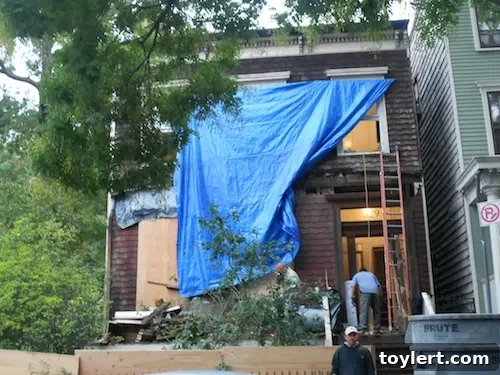
Revitalizing Fort Greene’s Architectural Heritage: The Transformation of 329 Adelphi Street
Fort Greene, Brooklyn, a neighborhood renowned for its picturesque, tree-lined streets and distinguished historic architecture, is witnessing yet another chapter in its ongoing story of preservation and renewal. At the heart of this revitalization is the property located at 329 Adelphi Street. This Civil War-era wood frame house, which has long captured attention for its immense potential despite years of dilapidation, is currently undergoing extensive upgrades. This ambitious project aims to meticulously restore a significant piece of Brooklyn’s past, seamlessly blending its historical charm with the demands of contemporary living.
The journey of 329 Adelphi Street from a neglected gem to a vibrant, modern residence offers a compelling look into the dynamic real estate market and the enduring appeal of historic homes in Fort Greene. Unlike the pervasive brownstones that define much of Brooklyn’s residential landscape, this property stands out with its distinctive wood frame construction. This architectural style is a valuable artifact from an earlier period of Brooklyn’s urban development, predating the widespread adoption of masonry for residential buildings in many areas. Such structures provide unique insights into mid-19th-century building techniques and the evolving urban fabric that has shaped Fort Greene into one of New York City’s most desirable neighborhoods.
Unearthing History: The Civil War-Era Legacy of 329 Adelphi Street
The origins of 329 Adelphi Street can be traced back to the Civil War era, positioning it as a tangible link to Fort Greene’s profound historical narrative. During this period, timber was a readily available and common building material, reflecting the prevailing resources and construction methods of the time. While brownstones have become synonymous with Brooklyn’s architectural identity, wood frame houses like this one hold equal historical significance, contributing a diverse texture and deeper historical layer to the urban environment. These homes frequently showcase intricate detailing, unique window designs, and a charming scale that sets them apart from their brick and brownstone counterparts. The current restoration is far more than a mere construction project; it is an essential act of preserving a direct connection to the past, ensuring that future generations can appreciate the rich and varied architectural heritage of Fort Greene.
The intrinsic appeal of properties such as 329 Adelphi Street lies in their distinctive character and the silent stories they narrate. Despite enduring years of neglect that left it in a dilapidated state, the house always exuded a palpable sense of historical grandeur and the promise of a glorious revival. Its prime location within Fort Greene, a community celebrated for its robust neighborhood spirit, world-class cultural institutions, and verdant parks, further amplifies its inherent value and its potential for a spectacular transformation. The vision and commitment of its current owners to embark on such a comprehensive renovation underscore the timeless appeal and enduring investment potential of Brooklyn’s historic properties.
Market Dynamics: The Investment Journey of a Fort Greene Gem
The real estate trajectory of 329 Adelphi Street offers compelling insights into the Fort Greene market, especially during a period marked by significant economic fluctuations. The property initially entered the market in 2009, with an asking price of $950,000. This pricing reflected both its highly desirable location and the inherent value of a historic structure, even one in dire need of substantial repairs. However, in line with common market dynamics, a subsequent price adjustment saw it reduced to $795,000. Public records ultimately confirm its sale for $820,000. This final transaction price, positioned strategically between the initial listing and the reduced figure, indicates a shrewd negotiation process and a clear acknowledgment by the buyer of the significant investment required for renovation, balanced against the property’s undeniable long-term potential within a rapidly appreciating neighborhood.
Acquiring a “fixer-upper” like 329 Adelphi Street in a coveted location such as Fort Greene often proves to be a highly strategic investment. While the initial purchase cost might appear lower than that of a move-in-ready home, the true value and profitability are unlocked through a thoughtful and comprehensive renovation process. For a savvy investor or an owner-occupant with a clear vision, these properties offer a unique opportunity to custom-design a living space, seamlessly integrating modern amenities while meticulously preserving or restoring original historic details. The potential for substantial appreciation upon resale or the long-term enjoyment of a uniquely tailored home can be considerable, particularly in an area where demand for high-quality residences consistently outstrips supply.
The Extensive Renovation: Crafting a Modern Two-Family Residence
The current phase represents a pivotal moment in the property’s evolution, characterized by intensive construction and comprehensive rehabilitation. Public records provide clear insight into the strategic planning behind this ambitious project. The initial significant permit, issued last year, authorizes the building to “occupy the building as a two-family residence.” This detail is particularly noteworthy, indicating a deliberate design choice to configure the property for multi-unit occupancy. Such a setup can serve various purposes, including generating rental income, accommodating multi-generational living arrangements, or a combination of both. Converting or maintaining a two-family layout within a historic home often necessitates intricate design and structural considerations to ensure each unit enjoys adequate privacy, modern amenities, and independent access, all while rigorously adhering to contemporary building codes and the strict guidelines of historic districts.
Further emphasizing the expansive scope of this project, another permit for general construction work was granted this year. This indicates a comprehensive overhaul rather than merely superficial cosmetic enhancements. Observations suggest that the interior work currently in progress is exceptionally extensive. A renovation of this scale typically encompasses a full modernization of all essential building systems, including the installation of new plumbing, electrical wiring, and state-of-the-art HVAC systems, bringing the Civil War-era infrastructure up to contemporary standards of efficiency and safety. Structural reinforcements may also be crucial to ensure the long-term integrity and safety of the building. Beyond the functional upgrades, extensive interior redesigns could involve reconfiguring floor plans to optimize natural light and space, upgrading kitchens and bathrooms with high-end finishes, and meticulously restoring original architectural elements such as intricate crown moldings, historic fireplaces, and classic hardwood floors.
The Intricate Dance of Challenges and Rewards in Historic Restoration
Embarking on the renovation of a historic property like 329 Adelphi Street is an inherently complex endeavor, often presenting unique challenges. Unforeseen structural issues, the unexpected discovery of hidden historical elements, and the stringent requirements imposed by preservation committees frequently add layers of complexity to the entire process. The task of sourcing period-appropriate materials or custom fabricating replacements can also be both time-consuming and financially demanding. However, the rewards associated with such a project are equally profound and significant. The immense satisfaction of breathing new life into a historic structure, meticulously crafting a home with unparalleled character, and actively contributing to the architectural legacy of a celebrated neighborhood like Fort Greene is immeasurable. The harmonious blend of classic charm with modern functionality creates a truly distinctive living experience that cannot be replicated by new constructions, offering a unique connection to history.
Fort Greene: A Coveted Brooklyn Destination
The ongoing transformation of 329 Adelphi Street perfectly exemplifies the broader appeal and ever-increasing desirability of Fort Greene. This vibrant Brooklyn neighborhood offers an unparalleled quality of life, consistently attracting residents with its captivating blend of historic charm, rich cultural vibrancy, and exceptional urban convenience. Fort Greene Park, masterfully designed by Frederick Law Olmsted and Calvert Vaux, serves as the neighborhood’s lush, green heart, providing ample spaces for recreation, relaxation, and community gatherings. The area is also proudly home to the Brooklyn Academy of Music (BAM), a world-renowned multi-arts center that stands as the cultural anchor of a thriving artistic district. Its streets are lined with an eclectic mix of independent boutiques, critically acclaimed restaurants, and charming cafes, collectively fostering a dynamic and engaging environment for both residents and visitors.
Furthermore, Fort Greene’s excellent transportation infrastructure significantly enhances its attractiveness, offering effortless access to Manhattan and other vibrant parts of Brooklyn. This unique combination of historical beauty, profound cultural richness, strong community spirit, and unparalleled convenience firmly establishes Fort Greene as a consistently high-demand market for real estate. Properties like 329 Adelphi Street, once their extensive renovations are complete, will not only command significant market value but will also substantially contribute to the distinctive aesthetic and historical richness that defines this exceptional and beloved Brooklyn neighborhood.
Community Engagement: Share Your Insights
As this exciting renovation project progresses, the community often holds invaluable insights and observations regarding such transformations. We are always eager to learn more about the specific details of these rehabilitation efforts. Anyone possessing additional information about the nature of the work at 329 Adelphi Street, perhaps insights into the design vision, the skilled contractors involved, or any fascinating historical anecdotes pertaining to the property, is warmly encouraged to share. The collaborative and informed spirit of the Fort Greene community is an integral part of what makes it so special, and the sharing of information can significantly enrich our collective understanding and appreciation of these vital preservation endeavors. The transformation of this Civil War-era wood house is more than just a construction project; it is a profound testament to the enduring appeal of Fort Greene and the sustained efforts to honor its storied past while thoughtfully building for its promising future.
GMAP