In a significant move poised to reshape urban mobility and neighborhood life in one of New York City’s busiest boroughs, the City Council Committee on State and Federal Legislation recently cast a pivotal vote. The committee approved a bill aiming to implement residential parking permits (RPPs), a legislative step that promises to address long-standing parking challenges, particularly those exacerbated by major developments like the Barclays Center in Brooklyn. This decision has ignited extensive public discourse, with community leaders and residents voicing both hope and trepidation about the future of parking accessibility.
The Urban Parking Dilemma: A Growing Challenge in Densely Populated Areas
Urban centers worldwide grapple with the persistent problem of insufficient parking, a predicament intensified by increasing population densities, car ownership rates, and the proliferation of large-scale venues. New York City, with its vibrant mix of residential, commercial, and entertainment districts, embodies this challenge acutely. For years, residents in many neighborhoods have struggled with the daily grind of finding a parking spot near their homes, often competing with commuters, shoppers, and visitors flocking to local attractions. The absence of a structured residential permit system has historically left residents vulnerable to these external pressures, leading to congestion, pollution, and a diminished quality of life.
The introduction of Residential Parking Permits offers a potential antidote to this complex problem. RPPs are designed to prioritize on-street parking for local residents, typically within a designated zone, by requiring non-residents to either park elsewhere or adhere to strict time limits. While seemingly straightforward, the implementation of such systems involves intricate planning, community engagement, and careful consideration of potential ripple effects on local businesses and visitors. The City Council’s recent vote marks a crucial advancement in New York City’s pursuit of a more equitable and sustainable parking ecosystem.
Brooklyn’s Battle: Residential Parking Permits and the Barclays Center
The debate surrounding RPPs in Brooklyn has been particularly fervent, largely fueled by the transformative impact of the Barclays Center. Since its opening, the multi-purpose arena has dramatically increased traffic and visitor volume in the Prospect Heights and surrounding neighborhoods. While a boon for entertainment and economic activity, it has simultaneously placed immense strain on local infrastructure, particularly parking availability. Residents, once accustomed to a challenging but manageable parking situation, now find themselves in a near-constant battle for curb space, especially during events.
Community Voices: Anticipating the Parking Crisis
During the public hearing on the proposed RPP bill, the urgency of the situation near the Barclays Center was a central theme. Community leaders articulated dire warnings about the potential for complete gridlock if a solution isn’t implemented swiftly. Gib Veconi, the highly respected treasurer of the Prospect Heights Neighborhood Development Council, eloquently captured the sentiment of many residents. As reported by The New York Times, Veconi stated, “It is a problem that is already a significant one, and by putting an arena on top of it, it would absolutely cause the streets to burst open with cars…If R.P.P. is not implemented by the time the arena opens, there’s going to be an outcry from those neighborhood associations like something you’ve never heard before.”
Veconi’s stark prediction underscores the profound impact that the Barclays Center has had on the daily lives of Brooklyn residents. The arena, while a symbol of revitalization for many, has also brought a flood of vehicles seeking convenient, free parking. Without RPPs, this influx often displaces residents, forcing them to spend considerable time circling blocks, parking far from their homes, or incurring expensive garage fees. The “outcry” he foresees is not merely about inconvenience, but about a fundamental disruption to neighborhood functionality and residents’ peace of mind.
Navigating Skepticism: The Department of Transportation’s Perspective
While community advocacy for RPPs is strong, the path to implementation is not without its hurdles. The Department of Transportation (DOT), the agency responsible for managing New York City’s vast transportation network, has expressed reservations. Their primary concern revolves around the practicalities and challenges of enforcing a new permit system across numerous neighborhoods. Enforcing RPPs requires significant resources, including adequate staffing for monitoring and ticketing, clear signage, and a robust administrative framework for permit issuance and renewal. The DOT’s caution reflects a commitment to ensuring that any new system is not only fair and effective but also sustainable and manageable within the existing operational capabilities of the city.
These concerns highlight a critical tension: the desire for immediate solutions versus the practical realities of urban governance. Crafting a system that works efficiently in a city as complex as New York, with its diverse array of parking demands and legal intricacies, requires careful planning and collaboration between various city agencies, community boards, and elected officials. Addressing the DOT’s skepticism will be crucial for the successful rollout and long-term viability of residential parking permits.
How Residential Parking Permits Work: A Localized Approach
The proposed RPP system, if fully adopted, is designed with a strong emphasis on local control and community input. According to a story published in The Brooklyn Eagle, a key provision of the bill is that local community boards would play a central role in the decision-making process. This localized approach recognizes that parking needs and patterns can vary significantly even within relatively small geographic areas. If the bill passes, individual community boards would have the authority to vote on the implementation of permits within their respective districts. This ensures that the system is tailored to the specific needs and desires of each neighborhood, rather than a one-size-fits-all solution.
Furthermore, the bill stipulates that these permits could set aside a substantial portion of on-street parking for residents—up to 80 percent. This allocation aims to create a significant advantage for residents, freeing them from the constant struggle for parking spaces. The process would also mandate public hearings, providing residents, local businesses, and other stakeholders ample opportunity to voice their opinions, concerns, and suggestions before any final decisions are made. This commitment to transparency and community involvement is vital for building trust and ensuring that the RPP program is perceived as legitimate and beneficial by those it intends to serve.
The Legislative Journey: From Committee to Law
The journey for the residential parking permits bill is far from over. Following the committee’s approval, the full City Council is scheduled to cast its vote. This stage represents a significant hurdle, as the bill requires a majority vote from all Council members to advance. Should the full Council approve the measure, it will then be sent to the State Legislature for consideration. The State Legislature holds the ultimate authority to grant New York City the home rule power necessary to implement a citywide residential parking permit program. This multi-stage legislative process underscores the complexity of enacting significant policy changes in a large municipality like New York City, requiring consensus and approval at multiple governmental levels.
The outcome of these upcoming votes will have profound implications for urban planning, transportation policy, and the daily lives of countless New Yorkers. It will determine whether the city gains a powerful tool to manage its increasingly strained parking resources and whether neighborhoods, particularly those impacted by major developments, can regain a sense of control over their local streetscapes.
The Broader Impact: Pros and Cons of RPP Systems
The debate around Residential Parking Permits extends beyond Brooklyn and New York City, touching on fundamental questions of urban living, resource allocation, and quality of life in metropolitan areas. Implementing an RPP system involves a delicate balance of benefits and potential drawbacks that policymakers must carefully weigh.
Benefits for Residents and Neighborhoods
The primary advantage of RPPs is the improved quality of life for residents. By reserving a significant portion of street parking, RPPs reduce the time and stress associated with finding a parking spot, particularly for those who rely on their vehicles. This leads to less circling, which in turn reduces traffic congestion, lowers vehicle emissions, and makes residential streets safer and quieter. It can also deter “park-and-ride” commuters who leave their cars in residential areas to access public transit, freeing up valuable spaces for those who live there. For neighborhoods near attractions like the Barclays Center, RPPs can restore a sense of calm and accessibility for residents, mitigating the disruptive effects of large event parking.
Potential Drawbacks and Criticisms
However, RPPs are not without their critics and potential downsides. One common concern is the impact on local businesses. If non-residents, including potential customers, find it difficult to park, they might choose to shop or dine elsewhere, potentially harming local economies. There are also concerns about equity, as permit fees, while often modest, can still represent an additional burden for lower-income residents. Furthermore, visitors, including friends and family of residents, may face challenges finding legal parking. Implementation can also be complex and costly, requiring significant administrative overhead for issuance, enforcement, and public outreach. Critics also argue that RPPs merely shift the parking problem to adjacent, non-permitted areas, rather than solving the underlying issue of car dependency.
Beyond Permits: A Holistic Approach to Urban Mobility
While Residential Parking Permits represent a significant step in managing urban parking, they are best viewed as one component of a broader, holistic strategy for urban mobility. A truly sustainable approach recognizes that parking is intrinsically linked to transportation choices, land use, and environmental goals. Therefore, alongside RPPs, cities must continue to invest in and promote robust public transit systems, expand cycling infrastructure, encourage walking, and explore innovative solutions like ride-sharing and car-sharing programs. By offering viable alternatives to private vehicle ownership and solo driving, cities can reduce overall parking demand, making systems like RPPs more effective and less controversial. The ultimate goal is to create livable, accessible, and environmentally responsible urban environments for all residents.
Conclusion: Charting a Course for Sustainable Urban Parking
The City Council Committee’s approval of the residential parking permits bill marks a pivotal moment for New York City, particularly for the overstressed neighborhoods of Brooklyn. It represents a legislative acknowledgment of the severe parking challenges faced by residents and a concrete step toward providing them with a measure of relief. While the path to full implementation involves further legislative approvals and careful navigation of administrative complexities, the momentum is clearly building. As New York continues to grow and evolve, finding sustainable, equitable, and enforceable parking solutions like RPPs will be crucial for maintaining the delicate balance between urban development, economic vitality, and the quality of life for its citizens. The outcome of this legislative journey will undoubtedly set a precedent for how one of the world’s most dynamic cities addresses its enduring parking dilemma.
Plan to Issue New Permits for Parking Is Debated [NY Times]
Council Committee OK’s Residents-Only Parking [Brooklyn Eagle]
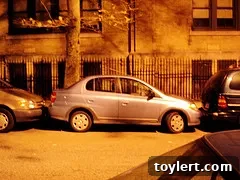
Photo by buhny, illustrating urban street scenes relevant to parking discussions.