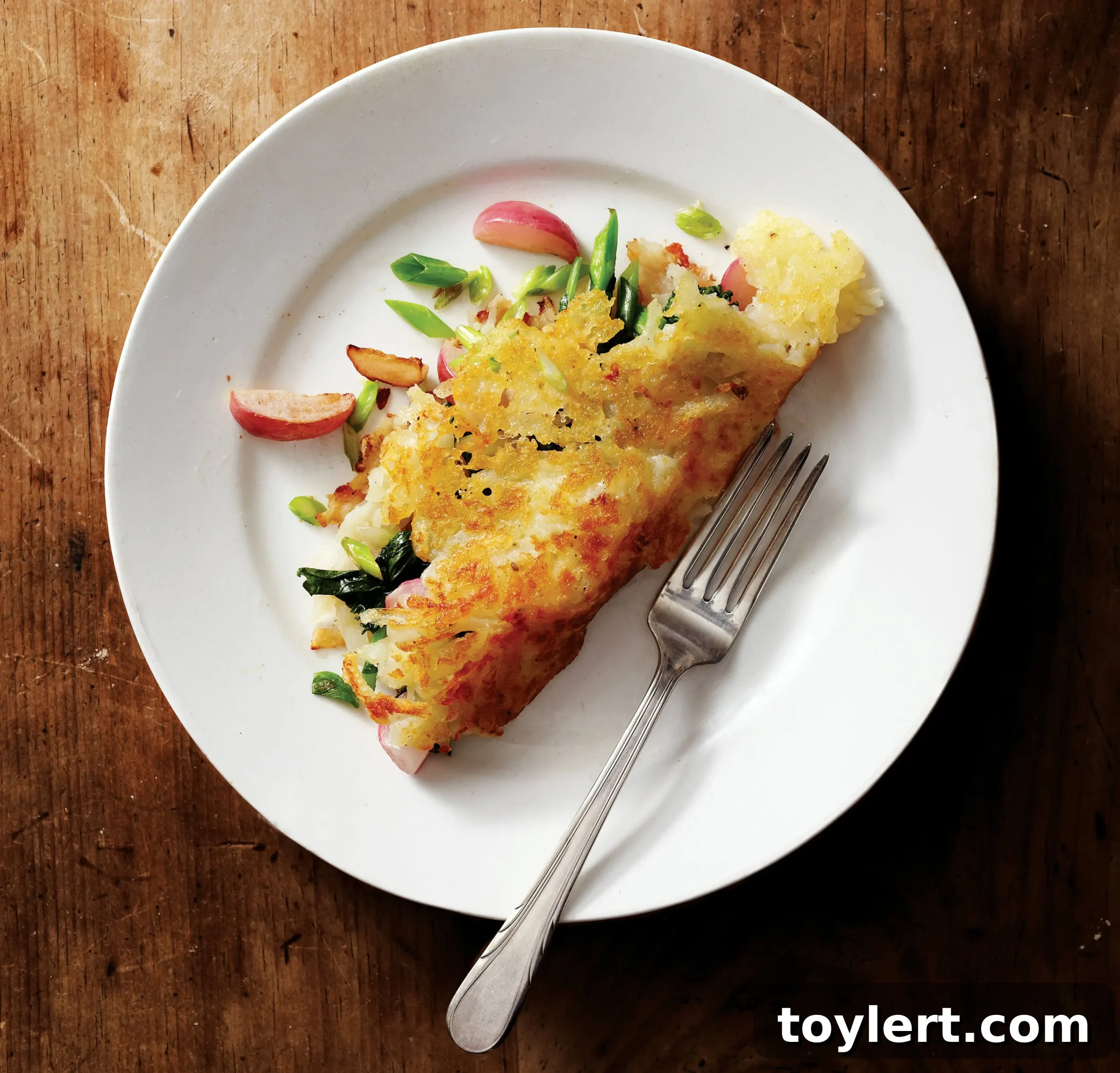
Embrace the Freshness: The Ultimate Spring Vegetable Hash Recipe
When you hear the word “hash,” your mind might immediately conjure images of hearty, meat-heavy breakfast dishes. But it’s time to broaden your culinary horizons! Hash is a remarkably versatile dish, and it shines just as brightly when vegetables take center stage. Imagine a vibrant medley of seasonal spring produce, artfully chopped and pan-fried to perfection, creating a dish that’s both comforting and invigorating. This Spring Vegetable Hash isn’t just a side; it’s a celebration of freshness, a testament to simple, wholesome cooking, and a delightful way to enjoy the bounty of the season.
Forget the notion that a satisfying meal always needs to be complicated or laden with heavy ingredients. This vegetable hash proves that elegance and deliciousness can be found in the simplest preparations, especially when you start with high-quality, seasonal ingredients. It’s an ideal dish for any time of day – a vibrant breakfast, a light lunch, or a flavorful side for dinner. Its appeal lies in its flexibility, its nourishing qualities, and the pure joy of tasting spring in every bite.
What Exactly is a Hash? A Culinary Canvas
At its core, a hash is a dish consisting of chopped meat, potatoes, and sometimes other vegetables, pan-fried or baked. The word itself comes from the French “hacher,” meaning “to chop.” Historically, hashes were a brilliant way to use up leftovers, transforming yesterday’s roast into a new, exciting meal. This adaptability is precisely why hash remains so popular today. While the traditional version often features corned beef or roast beef, the concept beautifully extends to an all-vegetable rendition, opening up a world of plant-based possibilities.
A vegetable hash embraces this tradition of resourcefulness and creativity. Instead of meat, it focuses on a colorful assortment of vegetables, often anchored by potatoes or sweet potatoes for substance. The key is to chop everything into roughly similar-sized pieces to ensure even cooking and a delightful texture. The process involves sautéing these ingredients until they’re tender on the inside and wonderfully crispy on the outside, creating layers of flavor and satisfying textures that make each bite an adventure.
Why Choose Spring Vegetables for Your Hash?
Spring is a time of renewal, and the produce aisle reflects this vibrancy. After the long winter, the emergence of fresh, tender spring vegetables is a welcome sight. Choosing seasonal ingredients isn’t just a trend; it’s a pathway to better flavor, superior nutrition, and often, more sustainable eating. Spring vegetables are harvested at their peak, meaning they are bursting with natural sweetness, crisp textures, and a full spectrum of vitamins and minerals. They haven’t traveled long distances, reducing their environmental footprint, and often come at a more affordable price.
Incorporating these seasonal gems into your hash ensures a dish that is inherently light, fresh, and full of life. Imagine the delicate sweetness of spring peas, the earthy notes of asparagus, the subtle sharpness of radishes, and the bright zest of fresh herbs – all harmonizing in one glorious pan. A spring vegetable hash isn’t just a meal; it’s an experience, connecting you to the natural rhythms of the earth and providing a delicious way to nourish your body with the best of what the season has to offer.
The Health Benefits of a Vegetable-Forward Hash
Beyond its incredible taste and versatility, a Spring Vegetable Hash offers a wealth of health benefits. By prioritizing vegetables, you’re loading up on essential vitamins, minerals, and dietary fiber, which are crucial for digestive health, energy, and overall well-being. This plant-forward approach can help reduce your intake of saturated fats often found in meat-heavy dishes, making it a heart-healthy choice.
- Rich in Nutrients: Each spring vegetable brings its unique nutritional profile. Asparagus offers Vitamin K and folate, peas provide Vitamin C and fiber, and potatoes contribute potassium and complex carbohydrates for sustained energy.
- High Fiber Content: The abundance of vegetables ensures a high fiber count, aiding digestion, promoting satiety, and helping to regulate blood sugar levels.
- Low in Saturated Fat: Without heavy meats, this hash is naturally lower in saturated fats, making it a great option for those watching their cholesterol or seeking lighter meal choices.
- Antioxidant Powerhouse: Colorful vegetables are packed with antioxidants, compounds that help protect your cells from damage and support a healthy immune system.
- Customizable for Dietary Needs: Naturally gluten-free and easily made vegan, this hash caters to a wide range of dietary preferences and restrictions.
This hash is more than just a meal; it’s a foundation for a healthy lifestyle, proving that wholesome food can be incredibly delicious and deeply satisfying.
Crafting Your Perfect Spring Vegetable Hash: A Step-by-Step Guide
The beauty of a hash lies in its simplicity and adaptability. This recipe provides a fantastic starting point, but feel free to adjust ingredients based on what’s fresh and available in your local market.
Ingredients:
- 2 tablespoons olive oil or avocado oil: For sautéing and adding healthy fats.
- 1 medium yellow onion, finely diced: Provides an aromatic base and sweet flavor.
- 2 cloves garlic, minced: Essential for depth of flavor.
- 1 pound small new potatoes or Yukon gold potatoes, scrubbed and diced into ½-inch cubes: The hearty foundation of your hash. New potatoes are particularly tender in spring.
- 1 cup asparagus spears, tough ends trimmed, cut into 1-inch pieces: Classic spring vegetable, adds a tender-crisp texture.
- 1 cup sugar snap peas or fresh green peas, shelled if fresh: Offers a burst of sweetness and vibrant green color.
- 1 cup radishes, quartered or thinly sliced: Adds a beautiful pop of color and a subtle peppery bite that mellows with cooking.
- ½ cup baby spinach or chopped kale: Wilted in at the end for added greens and nutrients.
- ¼ cup fresh chives, finely chopped: For a delicate oniony freshness and garnish.
- ¼ cup fresh parsley, chopped: Brightens the dish with herbaceous notes.
- Salt and freshly ground black pepper to taste: Essential for seasoning.
- Optional: Pinch of red pepper flakes for a subtle kick.
- Optional: Fresh dill or tarragon for an added layer of flavor.
Equipment You’ll Need:
- Large non-stick skillet or cast-iron pan (preferably 10-12 inches)
- Cutting board and sharp knife
- Spatula or wooden spoon
Instructions:
- Prepare the Potatoes: In a large skillet, heat the olive oil over medium-high heat. Add the diced potatoes, spreading them in a single layer as much as possible. Cook for 10-12 minutes, stirring occasionally, until they are golden brown and tender. You want them to develop a nice crust. Season with a pinch of salt and pepper during cooking. Remove the potatoes from the skillet and set aside.
- Sauté Aromatics: Reduce the heat to medium. Add the diced onion to the same skillet (add a touch more oil if needed). Sauté for 3-5 minutes until softened and translucent. Add the minced garlic and cook for another minute until fragrant, being careful not to burn it.
- Add Spring Vegetables: Return the cooked potatoes to the skillet with the onions and garlic. Add the asparagus pieces and radishes. Cook for 5-7 minutes, stirring occasionally, until the asparagus is tender-crisp and the radishes have softened slightly but still retain some bite.
- Incorporate Peas and Greens: Stir in the sugar snap peas (or shelled green peas). Cook for 2-3 minutes until they are bright green and tender. Finally, add the baby spinach or chopped kale and cook just until wilted, about 1-2 minutes.
- Finish and Season: Remove the skillet from the heat. Stir in the fresh chopped chives and parsley. Taste and adjust seasoning with additional salt and pepper as needed. If using, stir in a pinch of red pepper flakes.
- Serve Immediately: Your vibrant Spring Vegetable Hash is ready to be enjoyed!
Tips for the Perfect Vegetable Hash
- Even Chopping: Ensure all your vegetables, especially the potatoes, are cut into roughly similar-sized pieces. This promotes even cooking and consistent texture in every bite.
- Don’t Crowd the Pan: Cooking vegetables in a single layer allows them to sear and caramelize properly, rather than steaming. If your skillet isn’t large enough, cook the potatoes in batches.
- High Heat for Crispy Bits: Start with medium-high heat for the potatoes to get a lovely golden-brown crust. Adjust as needed to prevent burning once other ingredients are added.
- Layering Flavors: Add ingredients in stages, starting with those that take longer to cook (potatoes, onions) and ending with quick-cooking greens and fresh herbs.
- Fresh Herbs are Key: Don’t skip the fresh chives and parsley! They add a burst of freshness that elevates the entire dish. Add them at the very end to preserve their vibrant flavor.
- Taste as You Go: Seasoning throughout the cooking process ensures balanced flavors. Always taste before serving and adjust salt and pepper.
Serving Suggestions: Beyond Breakfast
While Spring Vegetable Hash makes an exceptional breakfast or brunch item, its versatility allows it to shine at any meal:
- Classic Breakfast: Serve with a fried or poached egg on top for a truly satisfying start to your day. The runny yolk adds a rich, creamy element that complements the vegetables beautifully.
- Brunch Extravaganza: Pair it with a fresh fruit salad, some crusty bread, and perhaps a mimosa for an elegant brunch spread.
- Light Lunch: Enjoy it on its own as a hearty and wholesome lunch, perhaps with a side of simple green salad with a lemon vinaigrette.
- Dinner Side Dish: It makes a fantastic, flavorful side to grilled chicken, baked fish, or even a roasted pork loin, adding color and nutrients to your main course.
- Protein Boost: For a more substantial meal, consider adding some crumbled feta or goat cheese, or even cooked chicken sausage or tempeh.
Variations and Customizations for Endless Creativity
The beauty of hash is its flexibility. Once you have the basic technique down, you can experiment with different ingredients and flavors:
- Add Protein: Fold in cooked and crumbled bacon, diced ham, vegetarian sausage, smoked salmon, or even leftover shredded chicken for a heartier meal.
- Cheese Please: A sprinkle of Parmesan, crumbled feta, or goat cheese at the end adds a delightful salty, tangy, or creamy finish.
- Spice It Up: Experiment with different spices. A pinch of smoked paprika, a dash of turmeric, or a sprinkle of cayenne pepper can transform the flavor profile.
- Other Spring Vegetables: Don’t limit yourself! Try snap peas, fava beans, green beans, or even thinly sliced spring onions.
- Root Vegetable Swap: While potatoes are classic, sweet potatoes or parsnips can offer a different flavor and nutritional twist.
- Herb Variations: Dill, tarragon, mint, or thyme can all bring unique aromas and tastes to your hash.
- Citrus Zest: A squeeze of fresh lemon juice or a sprinkle of lemon zest at the end can brighten all the flavors.
A Dish That Celebrates Spring
This Spring Vegetable Hash is more than just a recipe; it’s an invitation to embrace the season’s freshest offerings and get creative in the kitchen. It’s a dish that celebrates simplicity, flavor, and wholesome goodness. Whether you’re whipping it up for a quick breakfast, a leisurely brunch, or a nourishing dinner, this vibrant hash promises to deliver comfort, satisfaction, and a delicious taste of spring. So grab your cutting board, head to your local market, and get ready to transform humble vegetables into a culinary masterpiece that will delight your senses and nourish your soul. Enjoy the fresh, vibrant flavors and the simple pleasure of cooking with the best of what spring has to offer!